


As a supplier of automatic PPR fusion machines, I often encounter questions from customers regarding the compatibility of these machines with PPR pipes of different chemical compositions. This is a crucial topic, as the proper fusion of PPR pipes is essential for the integrity and longevity of plumbing systems. In this blog post, I will delve into the technical aspects of PPR pipes and fusion machines to provide a comprehensive answer to this question.
Understanding PPR Pipes and Their Chemical Compositions
PPR, or polypropylene random copolymer, is a type of plastic pipe material widely used in plumbing systems due to its excellent properties, such as high temperature resistance, corrosion resistance, and flexibility. However, not all PPR pipes are created equal. The chemical composition of PPR pipes can vary depending on the manufacturer, the production process, and the intended application.
The main difference in PPR pipes lies in the type of copolymer used. Different copolymers can result in pipes with different melting points, viscosity, and mechanical properties. For example, some PPR pipes may be formulated with a higher proportion of a specific comonomer to enhance their resistance to high temperatures or pressure. These variations in chemical composition can have a significant impact on the fusion process.
The Working Principle of Automatic PPR Fusion Machines
Before discussing the compatibility of automatic PPR fusion machines with PPR pipes of different chemical compositions, it is important to understand how these machines work. Automatic PPR fusion machines operate on the principle of heat fusion. They use a heating element to melt the surfaces of the PPR pipes and fittings, allowing them to be joined together seamlessly.
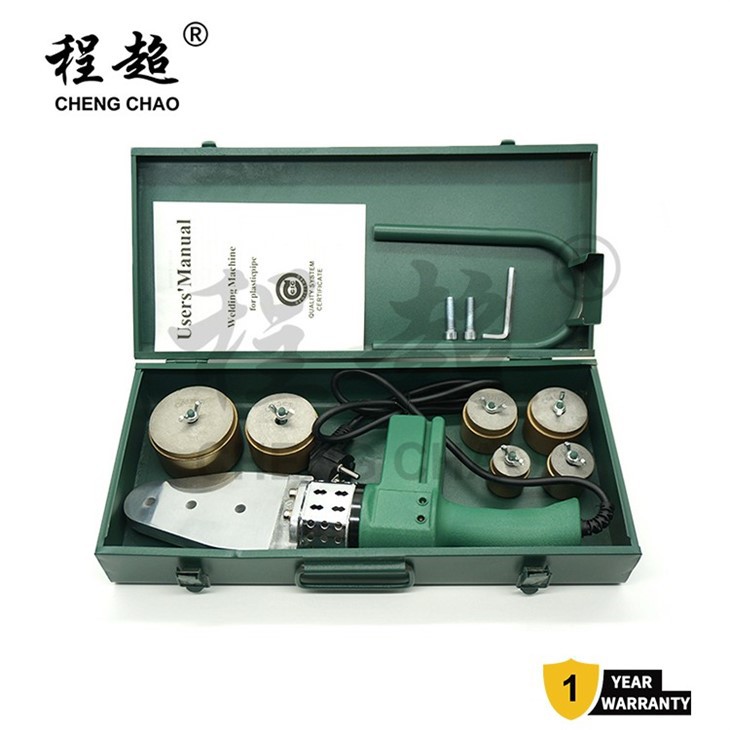
The machine typically consists of a heating plate, a control system, and a clamping device. The heating plate is heated to a specific temperature, which is determined by the type of PPR pipe being used. The control system ensures that the temperature is maintained within a narrow range to achieve optimal fusion. The clamping device holds the pipes and fittings in place during the fusion process to ensure a proper alignment.
Compatibility Issues
The compatibility of an automatic PPR fusion machine with PPR pipes of different chemical compositions depends on several factors. The most important factor is the melting point of the PPR pipe. If the melting point of the pipe is significantly different from the temperature setting of the fusion machine, it can lead to problems during the fusion process.

For example, if the melting point of the pipe is too high, the heating plate of the fusion machine may not be able to reach the required temperature, resulting in an incomplete fusion. On the other hand, if the melting point of the pipe is too low, the pipe may melt too quickly, causing the material to flow out and creating a weak joint.
Another factor to consider is the viscosity of the melted PPR material. Pipes with different chemical compositions may have different viscosities when melted. If the viscosity is too high, the melted material may not flow evenly, leading to a poor-quality joint. Conversely, if the viscosity is too low, the material may drip or run off, also affecting the quality of the fusion.
Overcoming Compatibility Challenges
Despite the potential compatibility issues, modern automatic PPR fusion machines are designed to be versatile and adaptable. Many machines come with adjustable temperature settings, allowing the operator to customize the heating temperature according to the specific requirements of the PPR pipes being used. This feature helps to ensure that the pipes are heated to the optimal temperature for fusion.
In addition, some fusion machines are equipped with advanced sensors and control systems that can detect the melting point and viscosity of the PPR material in real-time. These systems can automatically adjust the heating temperature and time to compensate for any variations in the chemical composition of the pipes, ensuring a consistent and reliable fusion process.
The Role of Standards and Certifications
To ensure the compatibility and quality of PPR pipes and fusion machines, it is important to follow relevant standards and certifications. International standards, such as ISO 15874, provide guidelines for the production and testing of PPR pipes and fittings. These standards specify the requirements for the chemical composition, mechanical properties, and fusion performance of PPR products.
When purchasing PPR pipes and fusion machines, it is advisable to choose products that are certified to meet these standards. This can help to minimize the risk of compatibility issues and ensure the long-term performance of the plumbing system.
Our Automatic PPR Fusion Machines
As a supplier of automatic PPR fusion machines, we offer a wide range of products to meet the diverse needs of our customers. Our PPR Heat Fusion Machine is designed for easy operation and precise fusion. It features an adjustable temperature control system and a high-quality heating plate, ensuring a reliable and efficient fusion process.
Our Automatic Socket Fusion Machine is suitable for joining PPR pipes and fittings of different sizes. It is equipped with a powerful motor and a robust clamping device, providing a stable and secure fusion.
For smaller-scale applications, our Heat Fusion Machine is a compact and lightweight option. It is easy to carry and operate, making it ideal for on-site installations.
Conclusion
In conclusion, while there may be some compatibility challenges when using an automatic PPR fusion machine with PPR pipes of different chemical compositions, these issues can be overcome with the right equipment and techniques. Modern fusion machines are designed to be flexible and adaptable, allowing for the fusion of a wide range of PPR pipes.
By following relevant standards and certifications, and choosing high-quality products, customers can ensure a successful fusion process and a reliable plumbing system. If you have any questions or need further information about our automatic PPR fusion machines, please feel free to contact us for procurement and negotiation. We are committed to providing you with the best solutions for your PPR pipe fusion needs.
References
- ISO 15874:2019, Plastics piping systems for hot and cold water installations - Polypropylene (PP) - Part 1: General.
- Technical manuals of automatic PPR fusion machines.
- Research papers on the properties and fusion of PPR pipes.