


As a supplier of PPR Fusion Sockets, I've witnessed firsthand the crucial role these components play in plumbing systems. Achieving an optimal fusion effect is not only about ensuring a leak - free joint but also about enhancing the overall durability and performance of the plumbing infrastructure. In this blog, I'll share some valuable insights on how to optimize the fusion effect of a PPR Fusion Socket.
Understanding the Basics of PPR Fusion
Before delving into optimization techniques, it's essential to understand the fundamentals of PPR fusion. PPR, or Polypropylene Random Copolymer, is a thermoplastic material widely used in plumbing due to its excellent chemical resistance, high - temperature tolerance, and long - term durability. The fusion process involves heating both the PPR pipe and the PPR Fusion Socket to a specific temperature until the material becomes soft and malleable. Then, the pipe is inserted into the socket, and the two parts bond together as they cool.
Selecting the Right PPR Fusion Socket
The quality of the PPR Fusion Socket is the cornerstone of a successful fusion. When choosing a socket, consider the following factors:
- Material Quality: Opt for sockets made from high - grade PPR materials. High - quality PPR has better heat resistance and mechanical properties, which can ensure a more stable fusion. Inferior materials may lead to uneven melting during the fusion process, resulting in weak joints.
- Size Compatibility: Ensure that the socket size precisely matches the pipe size. A loose fit can cause leakage, while a tight fit may make it difficult to insert the pipe properly, leading to incomplete fusion.
- Wall Thickness: A socket with an appropriate wall thickness can provide better support during the fusion process. Thicker walls can withstand the pressure exerted during pipe insertion and prevent deformation.
Preparing the Pipe and Socket
Proper preparation of the pipe and socket is crucial for achieving an optimal fusion effect.
- Cleaning: Before fusion, thoroughly clean both the pipe and the socket to remove any dirt, grease, or debris. Even a small amount of contamination can affect the fusion quality. Use a clean, dry cloth or a specialized cleaning agent to wipe the surfaces.
- Cutting: Cut the pipe to the required length using a sharp pipe cutter. A clean, perpendicular cut ensures a proper fit into the socket and promotes uniform fusion. Avoid using dull cutters, as they can cause rough edges or uneven cuts, which may disrupt the fusion process.
- Marking: Mark the insertion depth on the pipe to ensure that it is inserted to the correct position in the socket. This helps to achieve a consistent and reliable fusion joint.
Controlling the Fusion Temperature
The fusion temperature is a critical parameter that directly affects the fusion quality.
- Recommended Temperature Range: Different PPR materials have different recommended fusion temperatures. Generally, the fusion temperature for PPR pipes and sockets ranges from 260°C to 280°C. It's important to follow the manufacturer's guidelines to ensure optimal fusion.
- Using a Quality Heating Tool: Invest in a high - quality fusion machine that can accurately control the heating temperature. A reliable heating tool can maintain a stable temperature throughout the fusion process, preventing over - heating or under - heating.
- Pre - heating Time: Allow sufficient pre - heating time for the heating tool and the socket. This ensures that the socket reaches the appropriate temperature for fusion. Premature insertion of the pipe can result in an incomplete fusion, while excessive pre - heating can damage the socket.
Insertion and Rotation
Proper insertion and rotation during the fusion process are essential for creating a strong joint.
- Smooth Insertion: Once the pipe and socket reach the appropriate temperature, quickly and smoothly insert the pipe into the socket up to the marked depth. Apply gentle, even pressure during insertion to ensure a proper fit. Avoid using excessive force, as it can cause the material to displace or the joint to become misaligned.
- Limited Rotation: Some experts recommend a slight rotation (less than 90 degrees) during insertion to ensure uniform distribution of the molten material. However, excessive rotation can cause the molten material to separate, weakening the joint.
Cooling and Solidification
After insertion, allow the joint to cool and solidify naturally.
- Avoid Disturbance: Do not move or apply stress to the joint during the cooling process. Disturbing the joint can cause the molten material to shift, resulting in a weak or leaky joint.
- Cooling Time: The cooling time depends on the pipe size and the ambient temperature. Generally, smaller pipes require less cooling time than larger ones. Follow the manufacturer's recommendations for the appropriate cooling time.
Quality Inspection
Once the joint has cooled, conduct a thorough quality inspection.
- Visual Inspection: Check for any signs of uneven fusion, such as gaps, bubbles, or discoloration. A well - fused joint should have a smooth, uniform appearance.
- Pressure Testing: Perform a pressure test on the plumbing system to ensure that the joint can withstand the required pressure without leakage. This helps to identify any potential weaknesses in the fusion joint.
Maintenance and After - care
Proper maintenance and after - care can extend the service life of the PPR fusion joints.
- Avoiding Physical Damage: Protect the plumbing system from physical damage, such as impacts or abrasions. Physical damage can weaken the fusion joints and lead to leaks.
- Regular Inspections: Conduct regular inspections of the plumbing system to detect any signs of wear or damage. Early detection can prevent more serious problems from occurring.
Conclusion
Optimizing the fusion effect of a PPR Fusion Socket requires attention to detail at every step of the process, from material selection to after - care. By following the guidelines outlined in this blog, you can achieve high - quality fusion joints that are durable, leak - free, and reliable.
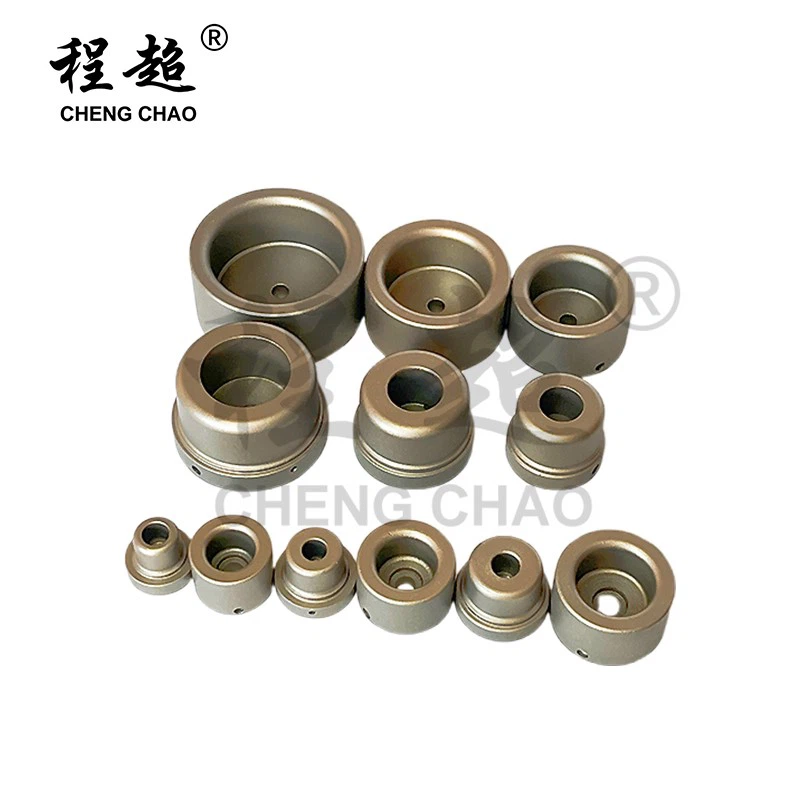
If you're in the market for high - quality PPR Fusion Sockets, Fusion Socket Welding, or Plastic Pipe Welding Sockets, I encourage you to reach out to discuss your specific requirements. We are committed to providing top - notch products and excellent customer service. Let's work together to build a better plumbing solution.

References
- "PPR Pipe Installation Guide", Industry Standard Publication
- "Thermoplastic Fusion Technology", Academic Research Paper
- Manufacturer's Manuals for PPR Fusion Sockets and Equipment