


Hey there! As a supplier of 63mm Polifusor PPR, I often get asked if this product is suitable for shipboard water systems. Well, let's dive right into it and find out.
First off, let's talk about what 63mm Polifusor PPR is. PPR stands for Polypropylene Random Copolymer, which is a type of plastic material known for its excellent chemical resistance, high temperature tolerance, and long - term durability. The 63mm refers to the diameter of the PPR pipes. This size is quite common in various plumbing applications, but when it comes to shipboard water systems, there are some specific factors we need to consider.
One of the key requirements for shipboard water systems is corrosion resistance. Ships are constantly exposed to harsh marine environments, including saltwater, which can cause significant corrosion to metal pipes over time. This is where 63mm Polifusor PPR shines. Since it's made of plastic, it's highly resistant to corrosion. Unlike metal pipes that can rust and degrade, PPR pipes can maintain their integrity even when in contact with saltwater and other corrosive substances. This means less maintenance and a longer lifespan for the ship's water system.
Another important aspect is the weight. Ships need to be as lightweight as possible to improve fuel efficiency and maneuverability. Metal pipes can be quite heavy, adding unnecessary weight to the vessel. In contrast, 63mm Polifusor PPR pipes are extremely lightweight. This not only reduces the overall weight of the ship but also makes the installation process much easier. With lighter pipes, the crew can handle and install them more quickly, saving both time and labor costs.
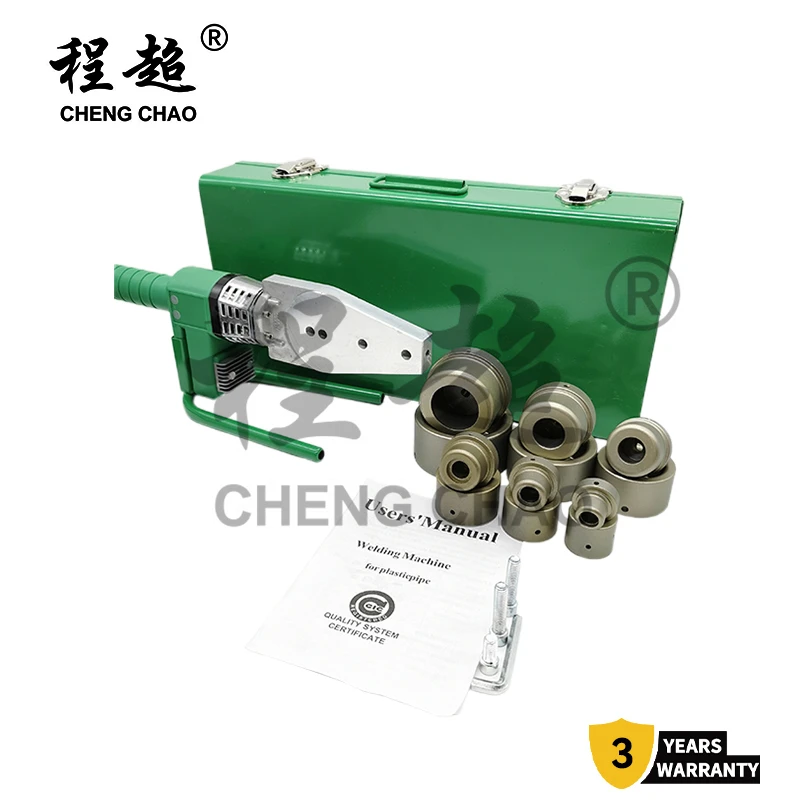
When it comes to installation, the 63mm Polifusor PPR pipes are designed for socket fusion welding. This is a process where the ends of the pipes are heated using a Socket Fusion Welder. The heat softens the plastic, allowing the pipes to be joined together seamlessly. This creates a strong, leak - proof connection. There are also Automatic Socket Fusion Machine and Plastic Fusion Machine available, which can make the installation process even more efficient and precise. The fusion - welded joints are as strong as the pipes themselves, ensuring a reliable water system on the ship.
Temperature and pressure resistance are also crucial in shipboard water systems. Ships may operate in different climates, from extremely cold to very hot regions. 63mm Polifusor PPR can handle a wide range of temperatures. It can withstand both high - temperature water used for various purposes on the ship, such as in the galley or for heating, and low - temperature water in cooler areas. Additionally, it can handle the pressure changes that occur in the ship's water system. Whether it's the pressure from the water pumps or the pressure differences due to the ship's movement, the PPR pipes can maintain their shape and functionality.
However, there are also some potential drawbacks to consider. One concern is the mechanical impact resistance. While PPR pipes are strong in normal conditions, they can be more vulnerable to mechanical damage compared to metal pipes. For example, if there is a sudden impact or a heavy object falls on the pipes, they may crack or break. To mitigate this, proper installation and protection measures should be taken. The pipes should be installed in areas where they are less likely to be damaged, and additional protective coverings can be used if necessary.
Another aspect is the fire resistance. PPR is a plastic material, and like most plastics, it is flammable. In a shipboard environment, fire safety is of utmost importance. Special fire - retardant coatings or insulation can be applied to the 63mm Polifusor PPR pipes to improve their fire resistance. This ensures that in case of a fire, the pipes do not contribute to the spread of the fire and can still function for a certain period to maintain the water supply for firefighting.
In conclusion, 63mm Polifusor PPR can be a great option for shipboard water systems. Its corrosion resistance, lightweight nature, ease of installation, and temperature and pressure resistance make it a viable alternative to traditional metal pipes. However, the potential drawbacks, such as mechanical impact resistance and fire resistance, need to be addressed through proper installation and additional protective measures.

If you're in the market for 63mm Polifusor PPR for your shipboard water systems, I'd love to have a chat with you. We can discuss your specific requirements, and I can provide you with more detailed information about our products. Whether you're building a new ship or upgrading an existing one, we can work together to ensure you get the best solution for your water system needs.
References:
- Shipbuilding Industry Handbook
- Polypropylene Pipe Materials and Applications Guide