


Hey there! As a supplier of Heat Fusion Machines, I've been in the thick of this industry for quite some time. And let me tell you, understanding the international standards for these machines is super important. Whether you're a professional in the plumbing or construction field or just someone looking to get a heat fusion machine for a DIY project, knowing these standards can make a huge difference.
First off, what exactly is a heat fusion machine? Well, it's a device used to join plastic pipes and fittings together by heating them until they're soft enough to fuse. This method creates a strong, leak - proof joint that's widely used in various applications, from water supply systems to sewage pipes.
One of the most well - known international standards for heat fusion machines is set by the International Organization for Standardization (ISO). ISO standards ensure that products are safe, reliable, and of good quality. For heat fusion machines, ISO standards cover things like the temperature control accuracy, the pressure applied during the fusion process, and the overall durability of the machine.
Temperature control is crucial when it comes to heat fusion. If the temperature is too low, the pipes won't fuse properly, leading to weak joints that can leak over time. On the other hand, if the temperature is too high, it can damage the pipes, making them brittle and prone to cracking. ISO standards specify a narrow temperature range that the heat fusion machine should maintain during operation. For example, for PPR (polypropylene random copolymer) pipes, the ideal fusion temperature is usually around 260°C. Our [PPR Pipe Welding Machine](/fusion-machine/automatic-ppr-fusion-machine/32 - 63mm-automatic-ppr-fusion-machine.html) is designed to meet these strict temperature control requirements, ensuring a perfect fusion every time.
Pressure is another key factor. When the heated pipes and fittings are joined, the right amount of pressure needs to be applied to ensure a proper bond. ISO standards define the acceptable pressure range for different types of pipes and fittings. Our machines are equipped with pressure - control mechanisms that can be adjusted according to the specific requirements of the project. This way, you can be confident that the joints you create will be strong and long - lasting.
Durability is also a major concern. Heat fusion machines are often used in harsh working environments, so they need to be able to withstand a lot of wear and tear. ISO standards set requirements for the materials used in the construction of the machine, as well as its resistance to things like corrosion and mechanical damage. Our [Professional Fusion Machine for PPR](/fusion-machine/automatic-ppr-fusion-machine/32 - 63mm-professional-automatic-ppr-fusion.html) is built with high - quality materials and undergoes rigorous testing to meet these durability standards.
In addition to ISO standards, there are also regional standards in different parts of the world. For example, in Europe, the European Committee for Standardization (CEN) has its own set of standards for heat fusion machines. These standards are similar to ISO standards in many ways but may have some specific requirements based on the local market and regulations.
In the United States, the American Society for Testing and Materials (ASTM) sets standards for heat fusion machines. ASTM standards focus on the performance and safety of the machines, as well as the quality of the joints they create. When choosing a heat fusion machine, it's important to make sure it meets the relevant ASTM standards if you're working in the US market.
Another important aspect of international standards is safety. Heat fusion machines involve high temperatures and electrical components, so safety is a top priority. Standards require machines to have features like over - temperature protection, short - circuit protection, and insulation to prevent electric shock. Our machines are designed with all these safety features to ensure the well - being of the operators.
Now, let's talk about the different types of heat fusion machines and how they relate to the standards. There are socket fusion machines, butt fusion machines, and electrofusion machines, each with its own set of standards.
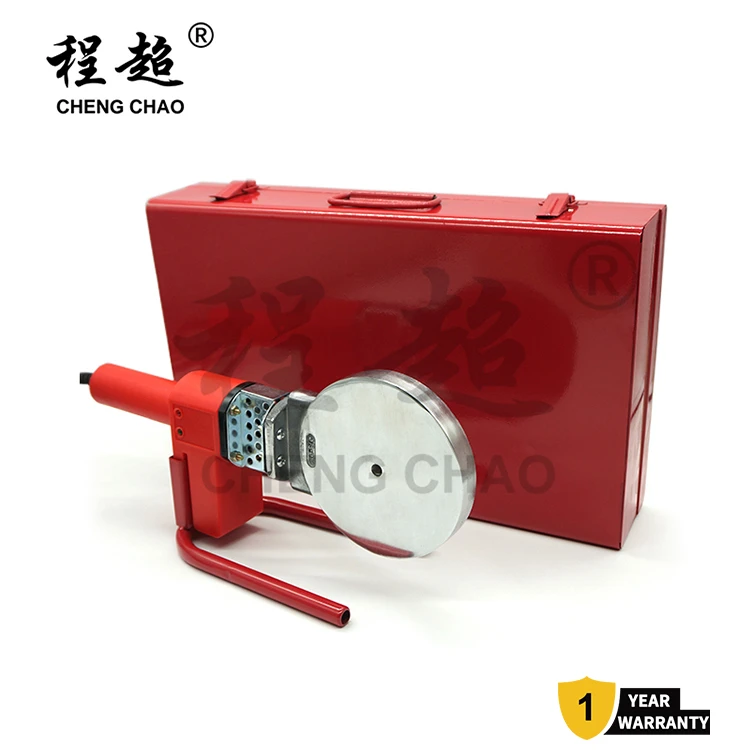
Socket fusion machines are used to join pipes and fittings by inserting the pipe into the fitting after heating. The 110mm Pipe Fusion Machine is a great example of a socket fusion machine. It needs to meet standards related to the size of the pipes it can handle, the heating time, and the alignment accuracy.
Butt fusion machines are used to join two pipes end - to - end. These machines have to meet standards for the alignment of the pipes, the heating time, and the pressure applied during the fusion process. The alignment is crucial to ensure a smooth and strong joint.

Electrofusion machines use electrical resistance to heat the fusion area. They have their own unique standards related to the electrical parameters, such as voltage and current, as well as the heating time and temperature.
When you're in the market for a heat fusion machine, it's not just about buying a cheap product. You need to consider whether it meets the international standards. A machine that meets these standards will not only give you better - quality joints but also ensure your safety and the longevity of the machine.
As a supplier, we take pride in offering heat fusion machines that meet all the relevant international standards. Our machines are tested and certified to ensure that they perform at their best. Whether you're a small - scale contractor or a large construction company, we have the right machine for your needs.
If you're interested in learning more about our heat fusion machines or have any questions about the international standards, don't hesitate to reach out. We're here to help you make the right choice for your project. Contact us to start a discussion about your requirements and how our machines can meet them.
References

- International Organization for Standardization (ISO) standards on heat fusion machines
- European Committee for Standardization (CEN) standards
- American Society for Testing and Materials (ASTM) standards