


Hey there! As a supplier of Heat Fusion Machines, I often get asked about the heat fusion cycle time of these nifty devices. So, I thought I'd take a deep dive into this topic and share everything you need to know.
First off, let's understand what heat fusion cycle time is. In simple terms, it's the time it takes for a Heat Fusion Machine to complete one full cycle of heating, fusing, and cooling two pieces of plastic pipe or fittings together. This cycle time can vary depending on several factors, and it's crucial to get it right for a successful and durable fusion.
One of the most significant factors affecting the heat fusion cycle time is the size of the pipes or fittings you're working with. Larger pipes generally require more time to heat up and cool down compared to smaller ones. For instance, a 110mm Pipe Fusion Machine will have a longer cycle time than a machine designed for smaller diameter pipes. The extra material in the larger pipes needs more energy to reach the optimal fusion temperature, and then it also takes longer to cool and solidify the joint.
The type of plastic material also plays a huge role. Different plastics have different melting points and thermal properties. For example, polypropylene (PP) and polyethylene (PE) have distinct characteristics. PP might require a specific temperature and time to reach the right state for fusion, while PE could have its own set of requirements. Our machines are designed to handle a variety of plastic materials, but you'll still need to adjust the cycle time based on what you're working with.
Another factor is the power of the Heat Fusion Machine. A more powerful machine can heat the pipes faster, potentially reducing the overall cycle time. Take our 1500 Watt Plastic Welding Kit. With its high wattage, it can quickly transfer heat to the pipes, speeding up the heating phase of the cycle. However, you still need to account for the cooling time, which is just as important as the heating time to ensure a strong joint.
The environment in which you're using the machine can't be overlooked either. If you're working in a cold environment, the pipes will lose heat more quickly, which means you might need to increase the heating time to compensate. On the other hand, in a hot environment, the cooling time might be shorter, but you need to be careful not to overheat the pipes during the heating phase.
Now, let's talk about how you can determine the ideal heat fusion cycle time for your specific project. Most of our Heat Fusion Machines come with a user manual that provides general guidelines based on pipe size and material. These guidelines are a great starting point, but you might need to do some testing on a small scale to fine-tune the cycle time.
Start by setting the machine according to the recommended settings in the manual. Then, perform a test fusion on a couple of sample pipes or fittings. After the fusion is complete, inspect the joint. A good joint should have a uniform bead around the circumference, indicating that the plastic has melted and fused properly. If the bead is too small or uneven, it could mean that the heating time was too short. If the bead is too large or the plastic looks burnt, the heating time was likely too long.
Once you've made adjustments based on your test results, repeat the process until you achieve the perfect joint. Keep in mind that it's better to err on the side of caution and start with a slightly longer cycle time. You can always reduce it if needed, but it's harder to fix a joint that hasn't been heated enough.
It's also important to note that consistent cycle times are key to producing high-quality joints. Our machines are designed with advanced technology to ensure accurate and repeatable cycle times. This means that once you've found the ideal settings for your project, you can expect consistent results every time you use the machine.
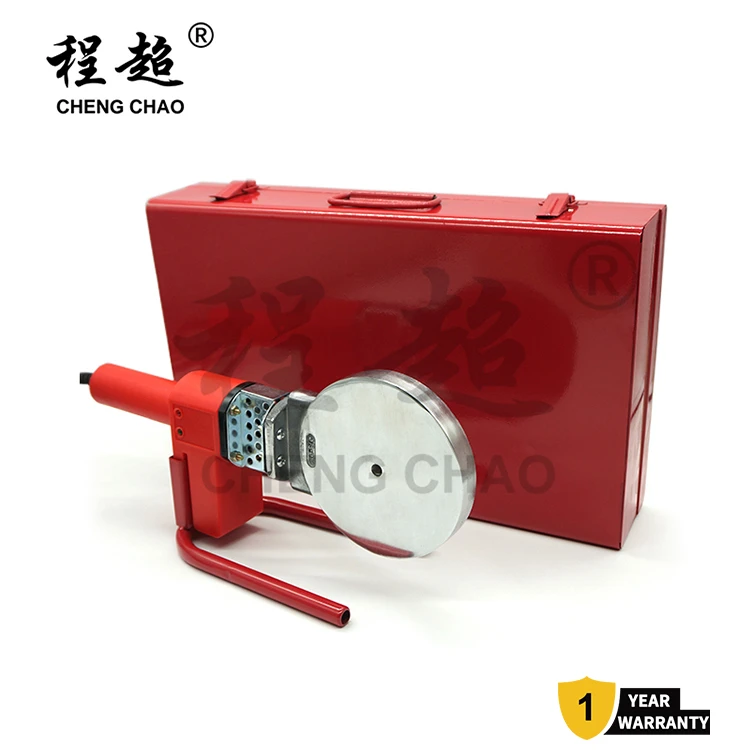
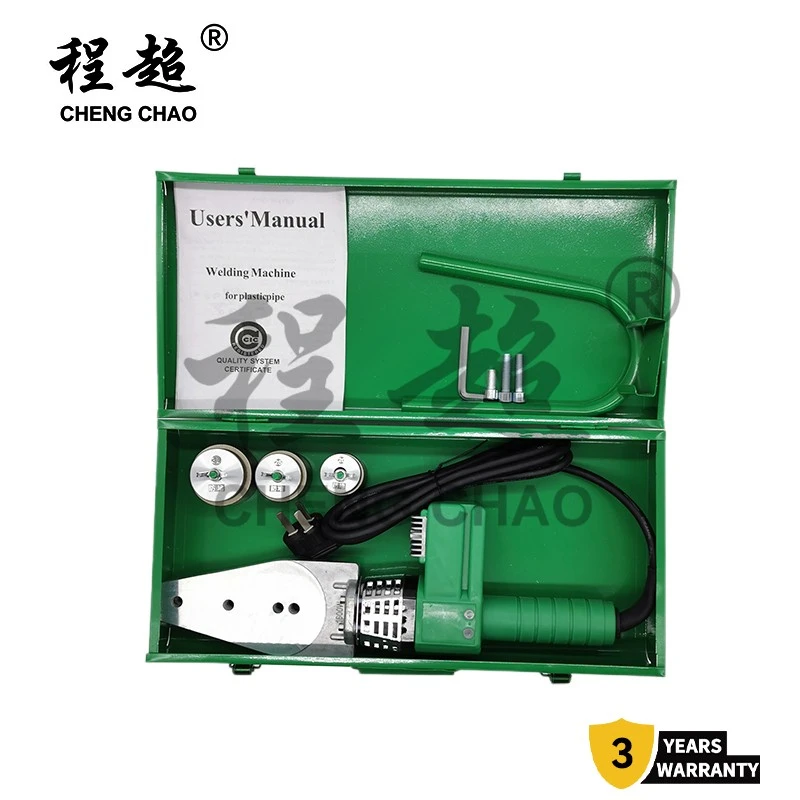
Now, if you're in the market for a Heat Fusion Machine, we've got a great range of options to choose from. Our Socket Fusion Plastic Pipe Welding Tool is a popular choice for many professionals. It's easy to use, reliable, and can handle a variety of pipe sizes and materials. Whether you're working on a small DIY project or a large commercial installation, we've got a machine that's right for you.
If you have any questions about heat fusion cycle times or which machine is best for your needs, don't hesitate to reach out. We're here to help you make the most of your Heat Fusion Machine and ensure that your projects are a success. Whether you're a seasoned professional or just starting out in the world of plastic pipe welding, we've got the expertise and products to support you.
In conclusion, understanding the heat fusion cycle time of a Heat Fusion Machine is essential for achieving strong and durable joints. By considering factors like pipe size, material, machine power, and environmental conditions, you can determine the ideal cycle time for your project. And with our high-quality machines and expert support, you'll be well on your way to completing your projects with ease. So, if you're interested in purchasing a Heat Fusion Machine or need more information, feel free to contact us for a chat about your requirements. We're looking forward to working with you!
References
- Manufacturer's manuals for Heat Fusion Machines
- Industry standards and guidelines for plastic pipe welding