


Hey there! I'm a supplier of 63mm Polifusor PPR, and today I wanna talk about how temperature can mess with the performance of this product.
First off, let's get a bit of background. The 63mm Polifusor PPR is a pretty popular choice in the plumbing and piping industry. It's used in a bunch of different applications, like water supply systems, heating systems, and even some industrial setups. You can check out more about it 63mm Polifusor PPR.
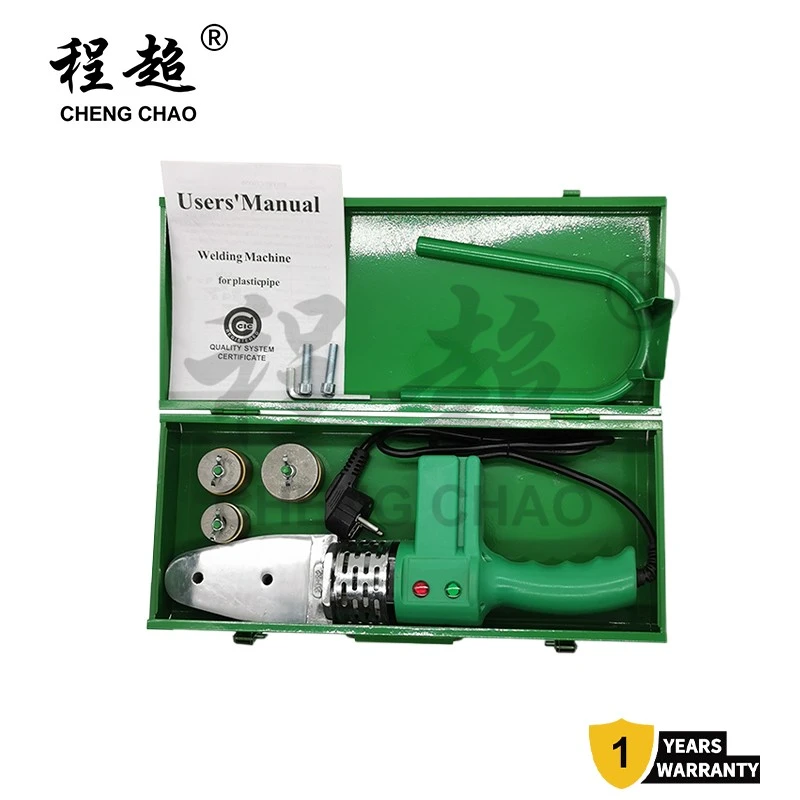
Now, temperature is a major player when it comes to how well this PPR performs. When the temperature is too low, things can get a bit tricky. PPR is a thermoplastic material, and at low temperatures, it becomes more brittle. This means that it's more likely to crack or break under stress. For example, if you're installing the 63mm Polifusor PPR in cold weather, say below 5°C, you need to be extra careful. The pipes might not fuse properly during the installation process. The fusion process is crucial for creating a strong, leak - free joint. When it's cold, the heat from the Plastic Fusion Machine might not be enough to soften the PPR material evenly. As a result, the joint might be weak, and there could be a higher risk of leaks in the long run.
I've seen cases where installers didn't take the low - temperature factor into account. They were in a hurry to get the job done, and they installed the pipes without making any adjustments for the cold weather. Later on, they started getting complaints from the customers about leaks. It's a real headache, not just for the installer but also for us as suppliers. We want our products to perform well, and low - temperature issues can really mess that up.
On the other hand, high temperatures can also cause problems. When the temperature rises above 60°C, the PPR material starts to lose its mechanical strength. It becomes softer and more flexible than it should be. In a water supply system, for instance, if the water temperature is constantly high, the 63mm Polifusor PPR pipes might start to deform. This can lead to blockages in the pipes or even a complete failure of the system.
Let's say you're using the 63mm Polifusor PPR in a solar water heating system. The water in these systems can get pretty hot, especially on sunny days. If the pipes aren't properly insulated or if the system isn't designed to handle high temperatures, the PPR pipes can expand and contract too much. This repeated expansion and contraction can cause stress on the joints and the pipes themselves. Over time, it can lead to cracks and leaks.
Another aspect to consider is the impact of temperature on the fusion process. The ideal temperature for fusing PPR pipes is usually between 20°C and 30°C. When the temperature is within this range, the Plastic Fusion Machine can work its magic. The heat from the machine can soften the PPR material just right, allowing for a perfect fusion. But if it's too hot or too cold, the fusion quality goes down the drain.
For larger diameter pipes like the 63mm Polifusor PPR, the temperature effect is even more pronounced compared to smaller pipes. The larger surface area means that it takes more time for the heat to penetrate and soften the material evenly. In cold weather, this can be a real challenge. You might need to use a more powerful 110mm Pipe Fusion Machine (even though we're talking about 63mm pipes here, a more powerful machine can sometimes help in cold conditions) to ensure that the fusion is done correctly.
I've also noticed that different batches of PPR material can have slightly different temperature sensitivities. This is due to small variations in the manufacturing process. So, it's always a good idea to do a small test fusion before starting a big installation project. This way, you can make sure that the pipes are fusing properly under the current temperature conditions.
Now, what can we do to mitigate these temperature - related issues? Well, if it's cold outside, you can pre - heat the pipes before the fusion process. You can use a heat gun or a similar device to warm up the pipes to a more suitable temperature. This can help the fusion process go more smoothly. Also, make sure to protect the pipes from direct contact with cold surfaces during installation.
In high - temperature situations, proper insulation is key. You can use insulation materials around the 63mm Polifusor PPR pipes to keep the temperature of the pipes within a safe range. This can prevent the pipes from overheating and losing their mechanical strength.
As a supplier, I always try to educate my customers about these temperature issues. I want them to have a successful installation and a long - lasting system. I provide them with guidelines on how to handle the pipes in different temperature conditions.
If you're in the market for 63mm Polifusor PPR or any related fusion machines, I'd love to have a chat with you. Whether you're a contractor, an installer, or someone working on a DIY project, I can offer you the best products and advice. Don't hesitate to reach out if you have any questions or if you're interested in making a purchase.

References:
- "Plastic Pipes Handbook" by Berndt - Matthias Fink
- "Thermoplastics in Engineering Applications" by various authors