


Hey there! As a supplier of 63mm Polifusor PPR, I often get asked about the thermal expansion coefficient of this product. So, I thought I'd write a blog post to share some insights on this topic.
First off, let's talk a bit about what thermal expansion coefficient means. In simple terms, it's a measure of how much a material expands or contracts when its temperature changes. Every material has its own unique thermal expansion coefficient, and this property is crucial when it comes to applications where temperature variations are common.
For 63mm Polifusor PPR, the thermal expansion coefficient is typically around 0.15 - 0.20 mm/mK. What does this mean? Well, if you have a 1-meter long pipe made of 63mm Polifusor PPR and the temperature increases by 1 degree Kelvin (which is the same as 1 degree Celsius in terms of temperature difference), the pipe will expand by about 0.15 to 0.20 millimeters. This might seem like a small amount, but over long lengths of piping or in situations where there are significant temperature changes, it can add up.
Why is this important? When installing a piping system using 63mm Polifusor PPR, you need to take thermal expansion into account. If you don't, the pipes could buckle, crack, or cause other issues as they expand and contract with temperature changes. For example, in a hot water supply system, the water temperature can vary quite a bit. The pipes will expand when the hot water flows through them and contract when the water cools down. If the system isn't designed to accommodate this expansion and contraction, it can lead to leaks or even system failures.
Now, let's talk about how we can deal with the thermal expansion of 63mm Polifusor PPR pipes. One common method is to use expansion loops. These are loops in the piping system that allow the pipes to expand and contract freely without putting too much stress on the joints or the rest of the system. Another approach is to install flexible connectors at strategic points in the piping. These connectors can absorb some of the movement caused by thermal expansion.
As a supplier, I always recommend that installers follow the manufacturer's guidelines when it comes to dealing with thermal expansion. These guidelines are based on extensive testing and research, and they'll help ensure that the piping system works properly and lasts a long time.
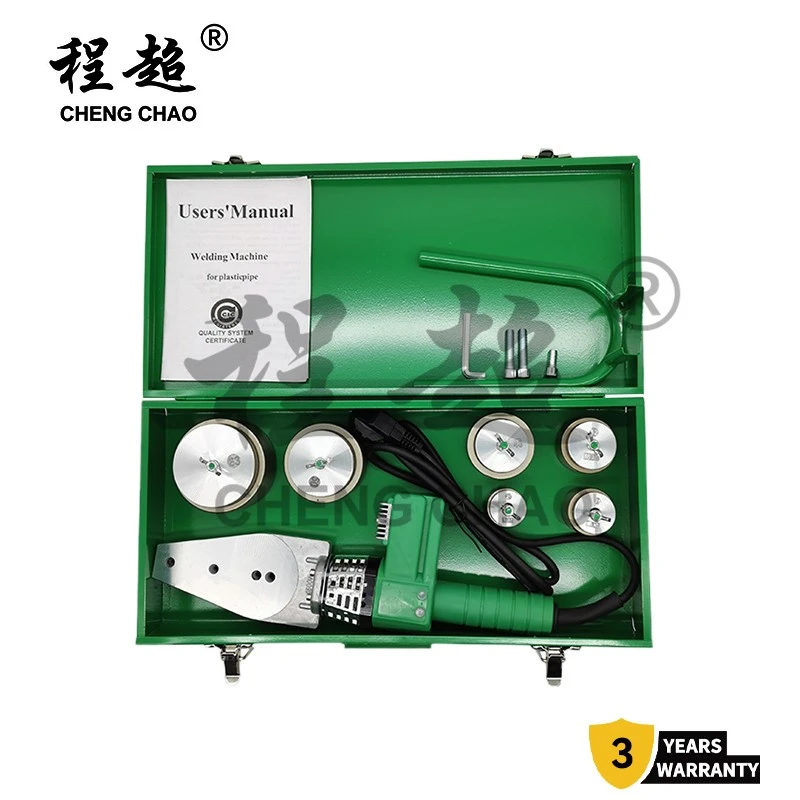

When it comes to working with 63mm Polifusor PPR, having the right tools is also essential. That's where our Automatic Socket Fusion Machine comes in. This machine makes it easy to join the pipes together, creating strong and reliable connections. It's designed to work specifically with PPR pipes, so you can be sure that the joints will be of high quality.
Another great tool is our Automatic Plastic Welding Machine. This machine is perfect for smaller diameter pipes or for making repairs. It's easy to use and provides consistent results, which is important when you're working with a material like PPR.
And for those larger diameter 63mm pipes, our Automatic Fusion Machine is the way to go. It's powerful and efficient, and it can handle the demands of fusing 63mm Polifusor PPR pipes with ease.
In addition to providing high-quality products and tools, I'm also here to offer support and advice. Whether you're a professional installer or a DIY enthusiast, I can help you choose the right products for your project and answer any questions you might have about thermal expansion or installation.
If you're in the market for 63mm Polifusor PPR or any of our other products, I encourage you to get in touch. We can discuss your specific needs and provide you with a quote. Working with us means getting top-notch products, reliable service, and the expertise you need to ensure a successful project.
In conclusion, understanding the thermal expansion coefficient of 63mm Polifusor PPR is crucial for anyone involved in piping system design, installation, or maintenance. By taking this property into account and using the right tools and techniques, you can create a piping system that's durable, reliable, and performs well under a variety of conditions. So, if you're looking for a supplier you can trust, don't hesitate to reach out.
References:
- Manufacturer's technical documentation for 63mm Polifusor PPR
- Industry standards and guidelines for PPR piping systems