


Hey there! As a supplier of pressure test pumps, I often get asked about the best type of oil to use in an oil-lubricated pressure test pump. It's a crucial question because using the right oil can significantly impact the performance and lifespan of your pump. So, let's dive into this topic and figure out what kind of oil you should be using.
First off, let's understand why oil is so important in a pressure test pump. Oil in these pumps serves multiple purposes. It lubricates the moving parts, reducing friction and wear. This helps to keep the pump running smoothly and prevents premature damage to components. Additionally, oil helps to seal the pump, preventing leaks and maintaining pressure. It also acts as a coolant, dissipating heat generated during operation.
Now, when it comes to choosing the right oil, there are a few factors to consider. One of the most important is the viscosity of the oil. Viscosity refers to the thickness or resistance to flow of the oil. In a pressure test pump, you need an oil with the right viscosity to ensure proper lubrication and sealing. If the oil is too thin, it may not provide adequate lubrication, leading to increased wear and potential damage to the pump. On the other hand, if the oil is too thick, it can cause the pump to work harder, reducing efficiency and potentially overheating.
For most oil-lubricated pressure test pumps, a medium-viscosity oil is recommended. This type of oil provides a good balance between lubrication and flow. Look for an oil with a viscosity grade of ISO 32 to ISO 68. These grades are commonly used in industrial applications and are suitable for most pressure test pumps.
Another factor to consider is the quality of the oil. You want to use a high-quality oil that is specifically formulated for use in pumps. These oils are designed to withstand the high pressures and temperatures that a pressure test pump may encounter. They also contain additives that help to prevent oxidation, corrosion, and foaming. Using a low-quality oil can lead to premature wear, reduced performance, and potential breakdowns.
When it comes to the brand of oil, there are many reputable manufacturers out there. Some well-known brands include Mobil, Shell, and Castrol. These brands offer a range of oils that are suitable for use in pressure test pumps. However, it's important to note that not all oils are created equal, so make sure to choose an oil that meets the specifications of your pump.
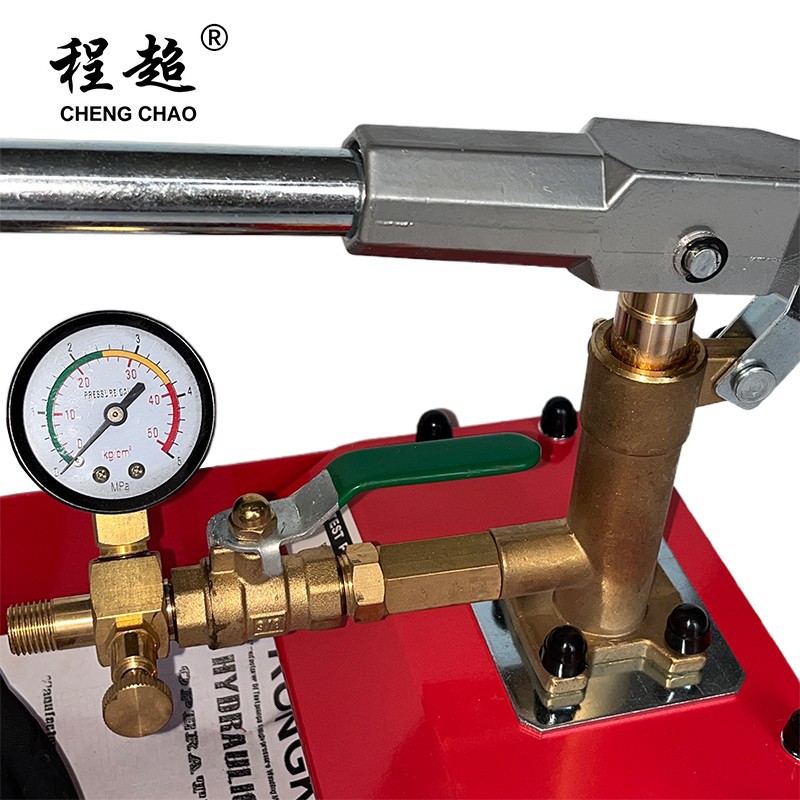

In addition to the viscosity and quality of the oil, you also need to consider the operating conditions of your pump. If your pump is used in a harsh environment, such as a dusty or dirty area, you may need to use an oil with additional protection against contaminants. Some oils are formulated with special additives that help to prevent the buildup of dirt and debris, which can clog the pump and reduce performance.
Now, let's talk about some specific types of oil that are commonly used in pressure test pumps. One type is mineral oil. Mineral oil is a traditional choice for lubricating pumps. It is relatively inexpensive and widely available. However, mineral oil may not provide the same level of performance as synthetic oils, especially in high-pressure or high-temperature applications.
Synthetic oils, on the other hand, offer several advantages over mineral oil. They have better thermal stability, which means they can withstand higher temperatures without breaking down. They also have better resistance to oxidation and corrosion, which helps to extend the life of the pump. Synthetic oils are also more resistant to foaming, which can improve the efficiency of the pump. However, synthetic oils are generally more expensive than mineral oil.
Another type of oil that is sometimes used in pressure test pumps is biodegradable oil. Biodegradable oils are made from natural or renewable resources and are designed to break down quickly in the environment. They are a good choice if you are concerned about the environmental impact of your pump. However, biodegradable oils may not have the same level of performance as traditional oils, so make sure to choose one that is suitable for your application.
So, to summarize, when choosing the right oil for your oil-lubricated pressure test pump, you need to consider the viscosity, quality, and operating conditions of the pump. A medium-viscosity oil with a viscosity grade of ISO 32 to ISO 68 is generally recommended. Choose a high-quality oil that is specifically formulated for use in pumps, and consider using synthetic or biodegradable oil if appropriate.
If you're still not sure which oil to use, or if you have any other questions about pressure test pumps, don't hesitate to contact us. We're a pressure test pump supplier, and we're here to help you find the right solutions for your needs. You can check out our Plumbers Test Pump, 25 Psi Water Test Pump, and 50 Bar Pressure Test Pump on our website. We're always happy to have a chat and discuss your requirements. Whether you're a professional plumber or just need a pump for a DIY project, we've got you covered. So, get in touch with us today, and let's get your pressure testing sorted!
References
- "Industrial Lubrication Handbook" by Gerhard Wills
- Manufacturer's manuals of various pressure test pumps