


Can 63mm Polifusor PPR be used in agricultural water supply systems?
As a supplier of 63mm Polifusor PPR, I am often asked whether this product is suitable for agricultural water supply systems. In this blog post, I will explore the characteristics of 63mm Polifusor PPR and evaluate its applicability in agricultural water supply scenarios.
Characteristics of 63mm Polifusor PPR
Material Properties
Polifusor PPR, or Polypropylene Random Copolymer, is a type of thermoplastic material known for its excellent chemical resistance, high-temperature stability, and durability. The 63mm size refers to the outer diameter of the pipes. This material is lightweight compared to traditional metal pipes, which makes it easier to handle and install. It is also corrosion - resistant, which is a crucial property for water supply systems, especially in agricultural settings where water may contain various chemicals and minerals.
Jointing Technology
One of the key features of Polifusor PPR is its fusion - welding jointing method. This ensures a leak - proof and strong connection between pipes. The fusion process creates a homogenous joint, which is as strong as the pipe itself. This is important for maintaining the integrity of the water supply system, reducing the risk of water leakage and minimizing water loss.
Advantages of Using 63mm Polifusor PPR in Agricultural Water Supply Systems
Cost - Effectiveness
In the long run, 63mm Polifusor PPR can be a cost - effective solution for agricultural water supply. The initial cost of the pipes is relatively low compared to some other materials. Additionally, the lightweight nature of the pipes reduces transportation costs. Moreover, the low maintenance requirements and long service life of PPR pipes mean that there are fewer replacement and repair costs over time.
Resistance to Corrosion and Chemicals
Agricultural water often contains fertilizers, pesticides, and other chemicals. 63mm Polifusor PPR is highly resistant to these substances, which helps to maintain the quality of the water being transported. It also prevents the formation of rust and scale inside the pipes, which can clog the system and reduce water flow.
Flexibility and Ease of Installation
The flexibility of 63mm Polifusor PPR pipes allows them to be easily bent and routed around obstacles in the agricultural field. This makes the installation process quicker and more efficient. The fusion - welding process, which can be carried out using specialized equipment such as the HDPE Socket Fusion Machine or Polypropylene Fusion Welding Machine, is relatively simple and does not require highly skilled labor.
Water Conservation
The leak - proof joints of 63mm Polifusor PPR pipes help to conserve water. In agriculture, where water is a precious resource, minimizing water loss is crucial. By reducing leakage, the pipes ensure that more water reaches the crops, improving irrigation efficiency.
Considerations and Limitations
Temperature Limitations
Although Polifusor PPR has good high - temperature stability, it does have some temperature limitations. In extremely cold climates, the pipes may become brittle and more prone to cracking. However, proper insulation can help to mitigate this issue.
Pressure Ratings
It is important to ensure that the 63mm Polifusor PPR pipes are rated for the pressure requirements of the agricultural water supply system. If the pressure is too high, it can cause the pipes to burst. Therefore, a proper pressure assessment should be carried out before installation.
Compatibility with Other Components
When integrating 63mm Polifusor PPR pipes into an agricultural water supply system, it is necessary to ensure compatibility with other components such as pumps, valves, and fittings. Using incompatible components can lead to leaks and system failures.
Case Studies
In many agricultural regions, 63mm Polifusor PPR has been successfully used in water supply systems. For example, in a large - scale vegetable farm, the use of 63mm Polifusor PPR pipes for irrigation has significantly reduced water loss due to leakage. The pipes were easy to install, and the corrosion - resistant property ensured that the water quality remained high. Another case is a fruit orchard, where the flexibility of the pipes allowed for easy installation around the trees, and the long - term durability of the pipes reduced maintenance costs.
Comparison with Other Materials
Compared to Metal Pipes
Compared to metal pipes such as steel or iron, 63mm Polifusor PPR is lighter, more corrosion - resistant, and easier to install. Metal pipes are prone to rust and require regular maintenance, while PPR pipes have a longer service life with minimal maintenance.
Compared to PVC Pipes
PVC pipes are also commonly used in agricultural water supply. However, 63mm Polifusor PPR has better high - temperature resistance and a stronger jointing method. PVC pipes may become brittle over time, especially in areas with high sunlight exposure, while PPR pipes maintain their integrity for a longer period.
Conclusion
In conclusion, 63mm Polifusor PPR can be a viable option for agricultural water supply systems. Its cost - effectiveness, corrosion resistance, ease of installation, and water - conservation properties make it a suitable choice for many agricultural applications. However, it is important to consider the temperature limitations, pressure ratings, and compatibility with other components.
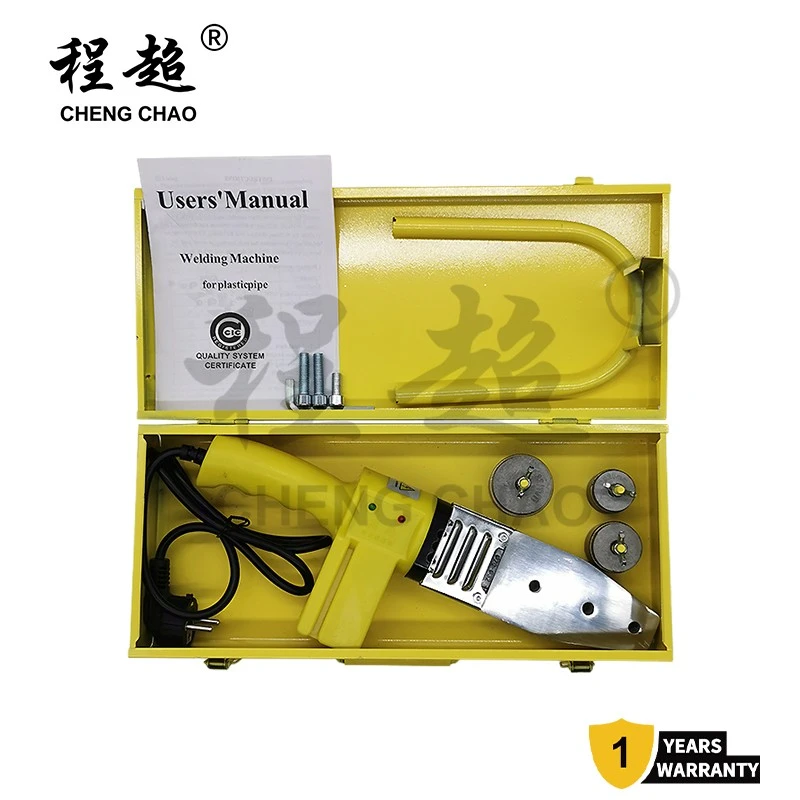

If you are interested in using 63mm Polifusor PPR for your agricultural water supply project, or if you have any questions about our products, we welcome you to contact us for a detailed discussion. We can provide you with more information on the product specifications, installation guidelines, and pricing. Our team of experts is ready to assist you in making the best decision for your agricultural water supply needs.
References
- "Plastic Pipes in Water Supply Systems" - A technical report on the use of plastic pipes in water distribution.
- "Agricultural Irrigation Systems: Best Practices" - A guidebook on modern agricultural irrigation techniques and materials.