


Can a PPR repair kit be used on pipes in marine environments?
As a supplier of PPR repair kits, this is a question I often encounter from customers, especially those involved in marine - related projects. The marine environment is a unique and challenging one, characterized by high salinity, constant exposure to water, and varying temperatures. In this blog, I'll delve into the viability of using PPR repair kits on pipes in such harsh conditions.
Understanding PPR and Its Properties
PPR, or Polypropylene Random Copolymer, is a type of plastic known for its excellent properties. It has high heat - resistance, good chemical resistance, and is relatively lightweight. These characteristics make it a popular choice for plumbing systems in many non - marine applications, such as residential and commercial buildings.
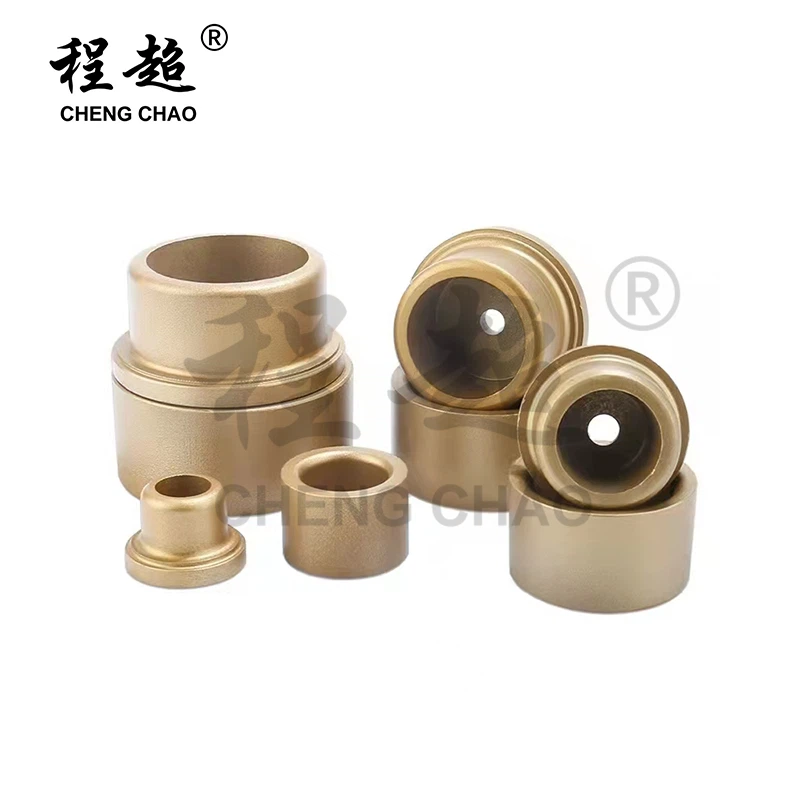
PPR pipes are typically joined using Fusion Socket Welding, a process where the pipes and fittings are heated using PPR Fusion Socket or Plastic Pipe Welding Sockets and then fused together. When a PPR pipe is damaged, a PPR repair kit can be used to fix the issue by fusing the repair piece onto the damaged section.
Challenges in the Marine Environment
The marine environment poses several challenges to pipes. Firstly, the high salinity of seawater is corrosive. Saltwater contains various ions that can react with the surface of materials, leading to corrosion over time. Secondly, the constant exposure to water can cause physical wear and tear on the pipes. Waves, currents, and the movement of vessels can subject the pipes to mechanical stress. Thirdly, the temperature in the marine environment can vary significantly, from cold deep - sea waters to warmer surface waters. These temperature fluctuations can cause the pipes to expand and contract, potentially leading to leaks or damage.
Suitability of PPR Repair Kits in Marine Environments
Chemical Resistance
PPR has a certain degree of chemical resistance. It is resistant to many common chemicals, including weak acids and alkalis. However, the high salt content in seawater is a different matter. While PPR is not as prone to corrosion as metal pipes, long - term exposure to saltwater can still have an impact. Some studies suggest that over time, the salt ions can penetrate the surface of the PPR, causing it to become brittle. This brittleness can lead to cracks and leaks, especially when the pipes are subjected to mechanical stress.
Mechanical Stress
The mechanical stress in the marine environment is a major concern. PPR pipes are relatively lightweight and flexible, which can be an advantage in some situations. However, they may not be as strong as some other materials when it comes to withstanding the force of waves and currents. A PPR repair kit can fix a small crack or leak, but if the pipes are constantly exposed to high - intensity mechanical stress, the repaired area may be at risk of failing again.
Temperature Fluctuations
PPR has a relatively good thermal stability within a certain temperature range. However, extreme temperature fluctuations in the marine environment can test its limits. When the temperature drops, PPR becomes more brittle, and when it rises, it can expand. A PPR repair kit can be used to fix a damaged pipe, but the repair may not hold up well if the pipes are exposed to large and rapid temperature changes.
Mitigating the Risks
While there are challenges in using PPR repair kits in the marine environment, there are also ways to mitigate the risks.
- Proper Installation: Ensuring that the PPR pipes are installed correctly is crucial. This includes using the right PPR Fusion Socket and Plastic Pipe Welding Sockets during the fusion process. A proper installation can reduce the likelihood of leaks and damage in the first place.
- Protective Coatings: Applying a protective coating to the PPR pipes can help to reduce the impact of saltwater corrosion. There are various types of coatings available that can act as a barrier between the pipe and the seawater.
- Regular Inspections: Regular inspections of the PPR pipes can help to detect any signs of damage early. If a small crack or leak is detected, a PPR repair kit can be used promptly to prevent further damage.
Conclusion
In conclusion, while a PPR repair kit can be used on pipes in the marine environment, it is not without its challenges. The high salinity, mechanical stress, and temperature fluctuations in the marine environment can pose risks to the integrity of the PPR pipes and the repairs made using the kits. However, with proper installation, the use of protective coatings, and regular inspections, it is possible to use PPR pipes and repair kits in the marine environment.

If you are involved in a marine project and are considering using PPR pipes and our PPR repair kits, we are here to help. Our team of experts can provide you with detailed advice on installation, maintenance, and risk mitigation. We can also offer high - quality PPR repair kits that are designed to meet the specific needs of your project. Contact us to start a procurement discussion and find out how our products can be a part of your marine solution.
References
- "Plastic Pipes in Marine Applications: A Review", Journal of Marine Engineering, Volume 45, Issue 2.
- "The Effects of Saltwater on Polypropylene Random Copolymer", Polymer Science Research, Volume 22, Issue 3.
- "Installation Guidelines for PPR Pipes in Harsh Environments", Plumbing and Piping Technology Association.