


In the field of industrial testing and quality control, pressure test pumps play a crucial role. As a leading pressure test pump supplier, we understand the importance of ensuring that these pumps deliver the necessary pressure output for various applications. In this blog post, we will explore several effective ways to increase the pressure output of a pressure test pump, which will not only enhance the performance of the pump but also meet the diverse requirements of our customers.
Understanding the Basics of Pressure Test Pumps
Before delving into the methods of increasing pressure output, it is essential to have a basic understanding of how pressure test pumps work. A pressure test pump is a device used to generate and control pressure for testing the integrity of pipes, vessels, and other equipment. It typically consists of a pumping mechanism, a pressure gauge, and a control valve. The pumping mechanism can be manual, electric, or hydraulic, depending on the specific application and requirements.
The pressure output of a pressure test pump is determined by several factors, including the design of the pump, the power source, the type of fluid being pumped, and the operating conditions. By understanding these factors, we can identify the areas where improvements can be made to increase the pressure output.
Optimizing the Pump Design
One of the most effective ways to increase the pressure output of a pressure test pump is to optimize its design. This can involve several aspects, such as the size and shape of the pumping chamber, the type of piston or diaphragm used, and the efficiency of the valve system.
- Pumping Chamber Design: A larger pumping chamber can hold more fluid, which allows for a greater volume of fluid to be displaced with each stroke. This, in turn, increases the pressure output of the pump. Additionally, the shape of the pumping chamber can also affect the flow of fluid and the efficiency of the pumping process. A well-designed pumping chamber can minimize turbulence and ensure a smooth flow of fluid, which can improve the overall performance of the pump.
- Piston or Diaphragm Selection: The type of piston or diaphragm used in the pump can also have a significant impact on the pressure output. Piston pumps are typically more suitable for high-pressure applications, as they can generate higher pressures than diaphragm pumps. However, diaphragm pumps are often more suitable for applications where the fluid being pumped is corrosive or contains solid particles, as they are less likely to be damaged by these substances.
- Valve System Efficiency: The valve system in a pressure test pump is responsible for controlling the flow of fluid in and out of the pumping chamber. A well-designed valve system can ensure that the fluid is pumped efficiently and that the pressure is maintained at the desired level. This can involve using high-quality valves that are designed to withstand high pressures and to operate smoothly.
Choosing the Right Power Source
The power source of a pressure test pump can also have a significant impact on its pressure output. There are several types of power sources available, including manual, electric, and hydraulic. Each type of power source has its own advantages and disadvantages, and the choice of power source will depend on the specific application and requirements.
- Manual Power: Manual pressure test pumps are typically used for small-scale applications or for situations where a portable and inexpensive solution is required. While manual pumps can generate relatively low pressures, they are often sufficient for many applications. Additionally, manual pumps are easy to operate and require minimal maintenance.
- Electric Power: Electric pressure test pumps are more powerful than manual pumps and can generate higher pressures. They are typically used for larger-scale applications or for situations where a continuous and reliable power source is available. Electric pumps are also more efficient than manual pumps, as they can operate at a higher speed and with less effort.
- Hydraulic Power: Hydraulic pressure test pumps are the most powerful type of pressure test pumps and can generate very high pressures. They are typically used for applications where a large amount of pressure is required, such as in the testing of high-pressure pipelines or vessels. Hydraulic pumps are also very efficient and can operate at a high speed, which makes them suitable for applications where time is of the essence.
Using the Right Fluid
The type of fluid being pumped can also have a significant impact on the pressure output of a pressure test pump. Different fluids have different properties, such as viscosity, density, and compressibility, which can affect the performance of the pump.
- Viscosity: The viscosity of a fluid refers to its resistance to flow. A fluid with a high viscosity will require more energy to pump, which can reduce the pressure output of the pump. Therefore, it is important to choose a fluid with a low viscosity that is suitable for the specific application.
- Density: The density of a fluid refers to its mass per unit volume. A fluid with a high density will require more energy to pump, which can also reduce the pressure output of the pump. Therefore, it is important to choose a fluid with a low density that is suitable for the specific application.
- Compressibility: The compressibility of a fluid refers to its ability to be compressed under pressure. A fluid with a high compressibility will require more energy to pump, which can reduce the pressure output of the pump. Therefore, it is important to choose a fluid with a low compressibility that is suitable for the specific application.
Maintaining the Pump Properly
Proper maintenance of a pressure test pump is essential to ensure its optimal performance and to increase its pressure output. This can involve several aspects, such as regular cleaning, lubrication, and inspection.
- Cleaning: Regular cleaning of the pump can help to remove any dirt, debris, or contaminants that may accumulate inside the pump. This can prevent the pump from becoming clogged or damaged, which can reduce its pressure output.
- Lubrication: Lubrication of the moving parts of the pump can help to reduce friction and wear, which can improve the efficiency of the pump and increase its pressure output. It is important to use the correct type of lubricant and to apply it at the recommended intervals.
- Inspection: Regular inspection of the pump can help to identify any potential problems or issues before they become serious. This can involve checking the pressure gauge, the valve system, the pumping mechanism, and other components of the pump. Any damaged or worn parts should be replaced immediately to ensure the proper functioning of the pump.
Conclusion
In conclusion, increasing the pressure output of a pressure test pump requires a combination of factors, including optimizing the pump design, choosing the right power source, using the right fluid, and maintaining the pump properly. By following these tips, you can ensure that your pressure test pump delivers the necessary pressure output for your specific application.
As a pressure test pump supplier, we offer a wide range of high-quality pressure test pumps that are designed to meet the diverse needs of our customers. Our 50 Bar Pressure Test Pump and 50 Bar Pressure Pump are suitable for a variety of applications, including the testing of pipes, vessels, and other equipment. Our 70Psi Water Pressure Test Pump is specifically designed for the testing of water systems and can generate high pressures with ease.
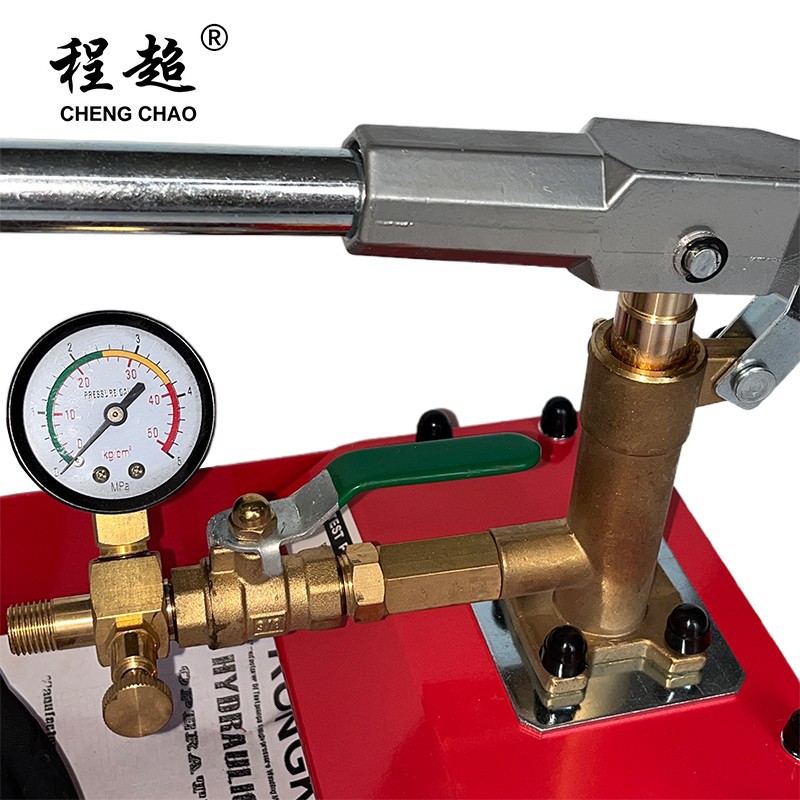

If you are interested in purchasing a pressure test pump or have any questions about our products, please feel free to contact us. Our team of experts is always available to provide you with the information and support you need to make the right decision.
References
- Smith, J. (2018). Pressure Test Pumps: A Comprehensive Guide. Industrial Testing Journal, 25(3), 45-52.
- Johnson, R. (2019). Optimizing the Performance of Pressure Test Pumps. Journal of Pressure Testing, 32(2), 67-74.
- Brown, A. (2020). The Importance of Proper Maintenance for Pressure Test Pumps. Industrial Equipment Magazine, 45(6), 89-96.