


Can a PPR repair kit be used on pipes with joints?
As a supplier of PPR Repair Kit, I often encounter questions from customers about the applicability of our products, especially regarding whether a PPR repair kit can be used on pipes with joints. In this blog post, I'll delve into this topic, exploring the science, practicalities, and considerations behind using a PPR repair kit on pipes with joints.
Understanding PPR Pipes and Joints
PPR, or polypropylene random copolymer, is a popular material for plumbing pipes due to its durability, corrosion resistance, and ease of installation. Pipes are typically joined using fusion techniques, creating a seamless and permanent connection. However, even the most well - installed PPR piping systems can develop issues over time, such as leaks at joints or damage due to external factors.
Joints in PPR pipes are usually formed through heat fusion, where the pipe and the fitting (such as a PPR Fusion Socket) are heated to a specific temperature and then joined together. This creates a strong bond that is designed to withstand normal operating pressures and temperatures. But when problems occur at these joints, you need a reliable solution to fix them.
Can a PPR Repair Kit Work on Joints?
The short answer is yes, in many cases, a PPR repair kit can be used on pipes with joints. Here's how:
1. Minor Leaks:
If the joint has a small leak, a PPR repair kit can be an effective solution. Most repair kits come with repair sleeves and adhesive or welding materials. The sleeve is designed to fit over the damaged area, and when combined with the adhesive or heat - welded in place, it can create a tight seal. For instance, our PPR Repair Kit includes high - quality repair sleeves that can be easily applied to pipes with joints experiencing minor leaks.
2. Surface Damage:
When there is surface damage around the joint, like scratches or small cracks, a repair kit can be used to reinforce the area. The kit's materials can be applied to the damaged surface, providing additional strength and preventing further damage. The plastic in the repair kit fuses with the existing pipe and joint material, creating a unified and sturdy structure.
3. Joint Separation:
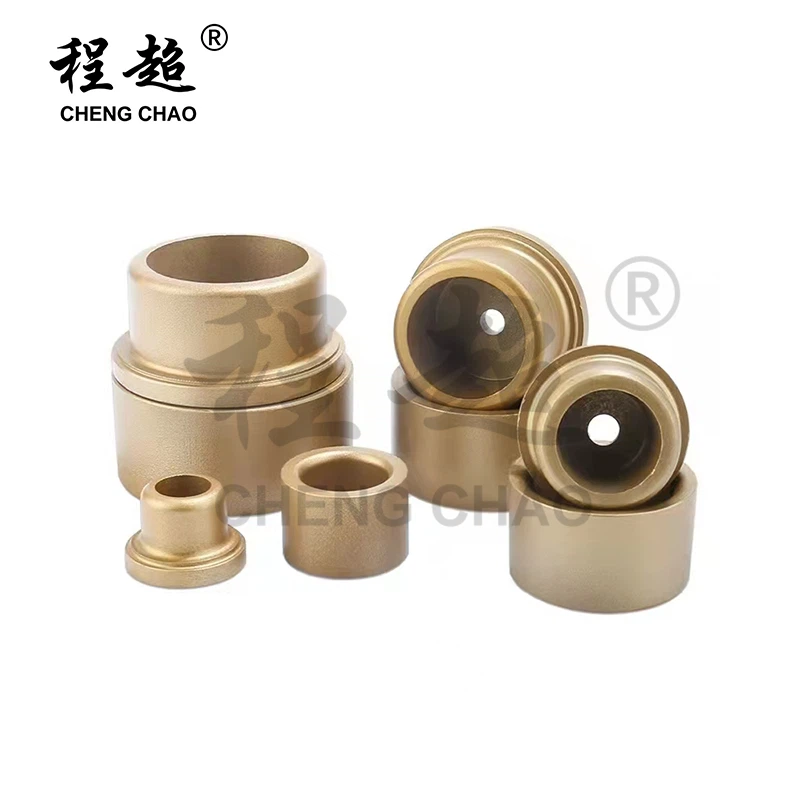
In cases where there has been partial joint separation, a PPR repair kit can sometimes be used to re - join and strengthen the connection. Special repair sockets from the kit, similar to Plastic Pipe Welding Sockets, can be used in combination with proper heating and joining techniques to restore the integrity of the joint.

Factors to Consider
However, there are several factors that need to be considered when using a PPR repair kit on pipes with joints:
1. Joint Type and Condition:
The type of joint (e.g., butt - fusion joint, socket - fusion joint) and its current condition play a crucial role. A severely damaged or misaligned joint may require more than just a repair kit. For example, if the joint has been completely pulled apart or is in a very poor condition, it may be necessary to replace the entire joint section rather than attempting a repair.
2. Pipe Pressure and Temperature:
The operating pressure and temperature of the pipe system are important. High - pressure or high - temperature systems may require more robust repair methods. A repair kit may work well for a low - pressure domestic water supply pipe, but for an industrial pipe system with high pressures, additional engineering analysis and potentially more advanced repair techniques may be needed.
3. Compatibility:
Ensure that the PPR repair kit is compatible with the type of PPR pipe and the joint material. Different PPR materials may have slightly different chemical compositions, and using an incompatible repair kit could lead to a weak or ineffective repair. Always check the product specifications and consult the manufacturer if you're unsure.
How to Use a PPR Repair Kit on Joints
Here is a general guide on how to use a PPR repair kit on pipes with joints:
1. Preparation:
Turn off the water supply to the pipe system. Clean the damaged area around the joint thoroughly. Remove any dirt, debris, or moisture. This ensures a good bond between the repair kit materials and the existing pipe and joint.
2. Select the Right Components:
Depending on the nature of the damage, choose the appropriate components from the repair kit. For example, if it's a small leak, select the repair sleeve. If there is more significant damage, a repair socket may be required.
3. Joint Repair:
If using a repair sleeve, measure and cut it to the appropriate length. Apply the adhesive or use a heat - fusion method (if applicable) to attach the sleeve to the damaged joint. Make sure the sleeve is centered and properly aligned.
If using a repair socket, heat the socket and the damaged pipe end according to the manufacturer's instructions. Then, insert the pipe into the socket and hold it in place until the fusion is complete.
4. Testing:
After the repair is complete, turn the water supply back on and check for leaks. Inspect the repaired joint carefully to ensure there are no signs of further leakage or weakness.
Conclusion
In conclusion, a PPR repair kit can often be used on pipes with joints, providing a convenient and cost - effective solution for minor to moderate damage. However, it's essential to assess the situation carefully, considering factors such as joint type, pipe pressure, and temperature, and compatibility.
If you're facing issues with your PPR pipes' joints, our PPR Repair Kit offers a reliable option for repairs. We are committed to providing high - quality products and excellent customer service. Whether you're a professional plumber or a DIY enthusiast, our products can help you get the job done right.
If you're interested in purchasing our PPR repair kits or have any questions about their application on pipes with joints, feel free to reach out to us for more information and to start a procurement discussion. We look forward to working with you to solve your plumbing repair needs.
References
- "PPR Pipe Installation and Maintenance Guide", International Pipe Manufacturers Association.
- "Thermoplastics in Plumbing Systems", Journal of Plumbing Science.
- Manufacturer's product manuals for PPR pipes and repair kits.