


Hey there! As a supplier of automatic PPR fusion machines, I often get asked this question: Can an automatic PPR fusion machine be used for non - standard PPR pipes? Well, let's dive right in and explore this topic.
First off, let's understand what we mean by non - standard PPR pipes. Standard PPR pipes are manufactured according to specific industry standards, which define things like diameter, wall thickness, and material properties. Non - standard PPR pipes, on the other hand, deviate from these norms. They might have irregular diameters, inconsistent wall thicknesses, or be made from materials that don't quite match the standard specifications.
Now, let's talk about how automatic PPR fusion machines work. These machines are designed to heat the PPR pipes and fittings to a specific temperature and then join them together. They usually come with preset temperature and time settings that are optimized for standard PPR pipes. For example, the 1500 Watt Plastic Welding Kit is a popular model that has precise temperature control to ensure a proper fusion.
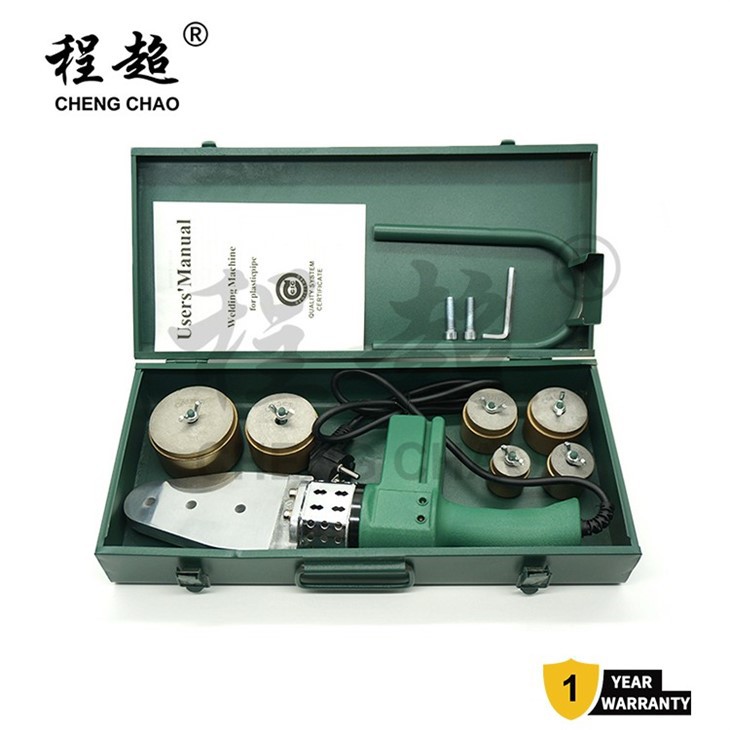
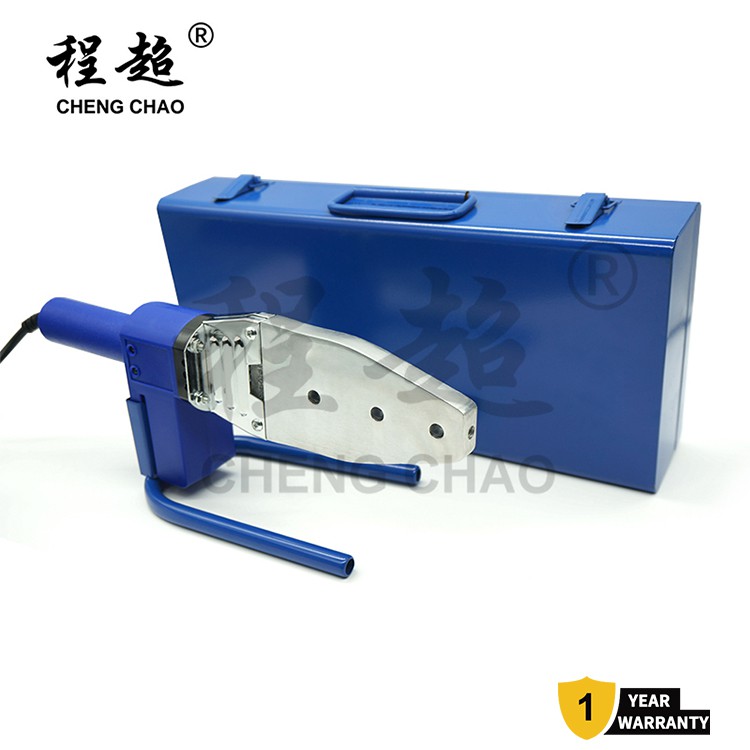
So, can they be used for non - standard PPR pipes? The short answer is, it depends.
Advantages of Using an Automatic PPR Fusion Machine for Non - Standard Pipes
One of the main advantages is the consistency of the fusion process. Automatic machines are designed to apply heat evenly and for the right amount of time. This can be beneficial even for non - standard pipes, as it helps to create a more reliable joint compared to manual methods. For instance, if the non - standard pipe has a slightly irregular shape but is still made of PPR material, the automatic machine can still heat the surfaces uniformly and attempt to form a good bond.
Another advantage is the time - saving aspect. Manual fusion can be a time - consuming process, especially when dealing with non - standard pipes that require more attention to detail. Automatic machines can speed up the process, which can be a huge plus in large - scale projects where time is of the essence. The Automatic Socket Fusion Machine is known for its efficiency and can handle multiple joints in a relatively short period.
Challenges of Using an Automatic PPR Fusion Machine for Non - Standard Pipes
However, there are also some significant challenges. One of the biggest issues is the fit between the pipe and the heating element of the machine. Standard machines are designed to accommodate standard pipe sizes. Non - standard pipes may not fit properly into the heating sockets, which can lead to uneven heating. This, in turn, can result in a weak joint that may fail over time.
The material properties of non - standard pipes can also be a problem. Some non - standard pipes may have different melting points or flow characteristics compared to standard PPR pipes. The preset temperature and time settings on the automatic machine may not be suitable for these pipes. For example, if the pipe has a higher melting point, the machine may not heat it enough to create a strong fusion. On the other hand, if the melting point is lower, overheating can occur, causing the pipe to deform.
Factors to Consider
Before attempting to use an automatic PPR fusion machine for non - standard pipes, there are several factors you need to consider.
Pipe Dimensions
Measure the diameter and wall thickness of the non - standard pipe accurately. If the dimensions are too far off from the standard sizes that the machine is designed for, it may not work well. You may need to look for a machine with adjustable heating elements or custom - made attachments.
Material Composition
Find out what the non - standard pipe is made of. If it's a different grade of PPR or has additives, it can affect the fusion process. You may need to conduct some test joints to determine the appropriate temperature and time settings.
Joint Design
The design of the joint also matters. Non - standard pipes may require a different joint design to ensure a proper seal. The automatic machine may need to be adjusted accordingly, or additional tools may be required.
Tips for Using an Automatic PPR Fusion Machine with Non - Standard Pipes
If you decide to use an automatic PPR fusion machine for non - standard pipes, here are some tips to keep in mind:
- Conduct Test Joints: Before starting a large - scale project, make a few test joints to see how the machine performs with the non - standard pipes. This will help you determine the optimal temperature and time settings.
- Inspect the Machine: Check the heating elements and other components of the machine to make sure they are in good condition. A worn - out machine may not be able to provide consistent results, especially for non - standard pipes.
- Use Additional Tools: In some cases, you may need to use additional tools to assist with the fusion process. For example, if the non - standard pipe has a very irregular shape, you may need to use clamps to hold it in place during the fusion.
When to Avoid Using an Automatic PPR Fusion Machine
There are situations where it's best to avoid using an automatic machine for non - standard pipes. If the pipe is severely damaged or has a completely different material composition that is not compatible with PPR, the machine may not be able to create a reliable joint. In such cases, it's better to look for alternative joining methods or consider replacing the non - standard pipe with a standard one.
In conclusion, while an automatic PPR fusion machine can potentially be used for non - standard PPR pipes, it's not a one - size - fits - all solution. You need to carefully evaluate the pipe characteristics and the capabilities of the machine. The PPR Heat Fusion Machine and other models can be great assets, but they require some extra attention when dealing with non - standard pipes.
If you're in the market for an automatic PPR fusion machine or have any questions about using them for non - standard pipes, feel free to reach out. We're here to help you make the best decision for your project. Whether you're a contractor, a DIY enthusiast, or a professional in the plumbing industry, we can provide you with the right advice and products to get the job done right.
References
- "PPR Pipe Installation Manual", Industry Standard Publication
- Manufacturer's guides for 1500 Watt Plastic Welding Kit, Automatic Socket Fusion Machine, and PPR Heat Fusion Machine