


As a supplier of 63mm Polifusor PPR, I am often asked about the electrical conductivity of this product. In this blog post, I will delve into the topic, explaining what electrical conductivity is, how it relates to 63mm Polifusor PPR, and why it matters in various applications.
Understanding Electrical Conductivity
Electrical conductivity is a measure of a material's ability to conduct an electric current. It is the reciprocal of electrical resistivity. Materials with high electrical conductivity, such as metals like copper and aluminum, allow electrons to flow freely through them. In contrast, materials with low electrical conductivity, known as insulators, impede the flow of electrons.
The SI unit of electrical conductivity is siemens per meter (S/m). The conductivity of a material depends on several factors, including its atomic structure, temperature, and the presence of impurities or additives.
Electrical Conductivity of 63mm Polifusor PPR
63mm Polifusor PPR, which is made of polypropylene random copolymer (PPR), is an insulator. PPR is a thermoplastic polymer that has very low electrical conductivity. This property makes it an ideal choice for applications where electrical insulation is required.
The electrical conductivity of PPR is typically on the order of 10^-14 to 10^-16 S/m. This extremely low value means that PPR does not allow the flow of electric current under normal conditions. As a result, 63mm Polifusor PPR can be safely used in environments where there is a risk of electrical contact or short - circuits.
Applications of 63mm Polifusor PPR in Electrical Insulation
Plumbing Systems
In plumbing systems, 63mm Polifusor PPR pipes are widely used for water supply. Since these pipes are electrically insulating, they do not conduct electricity. This is crucial in preventing electrical shocks in case the pipes come into contact with electrical sources. For example, in a building where there are electrical wires running near the plumbing pipes, the use of 63mm Polifusor PPR ensures that there is no electrical leakage through the pipes.
Electrical Enclosures
63mm Polifusor PPR can also be used in the construction of electrical enclosures. These enclosures are designed to house electrical components and protect them from external factors. The low electrical conductivity of PPR helps to prevent electrical interference and ensures the safety of the electrical equipment inside the enclosure.
Cable Management
In cable management systems, 63mm Polifusor PPR can be used as conduits for electrical cables. The insulating properties of PPR prevent the cables from short - circuiting and protect them from environmental factors such as moisture and physical damage.
Welding and Joining of 63mm Polifusor PPR
To work with 63mm Polifusor PPR, proper welding and joining techniques are required. There are several types of welding machines available for this purpose. For instance, the Polypropylene Fusion Welding Machine is designed specifically for fusing PPR pipes. This machine ensures a strong and leak - proof joint between the pipes.
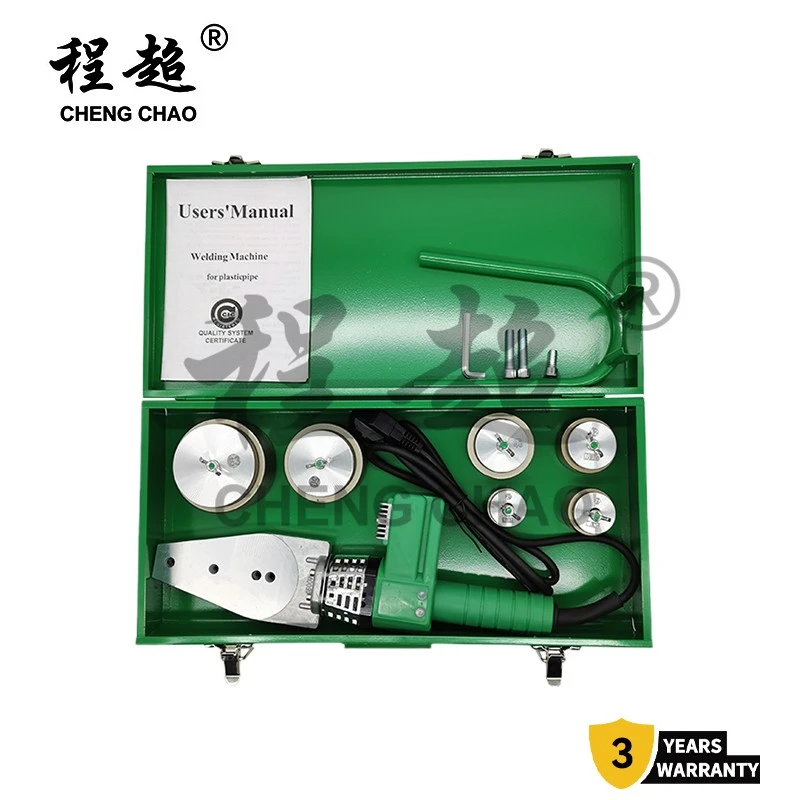

Another option is the Plastic Fusion Machine, which is also suitable for welding PPR materials. It provides a convenient and efficient way to join 63mm Polifusor PPR pipes.
The Automatic Socket Fusion Machine is also a great choice for achieving high - quality welds. It offers precise control over the welding process, resulting in reliable joints.
Advantages of Using 63mm Polifusor PPR
Corrosion Resistance
63mm Polifusor PPR is highly resistant to corrosion. Unlike metal pipes, it does not rust or corrode when exposed to water or chemicals. This makes it a long - lasting solution for plumbing and other applications.
Lightweight
PPR is a lightweight material, which makes it easy to handle and install. This reduces the labor and transportation costs associated with the installation of 63mm Polifusor PPR pipes.
Thermal Insulation
In addition to electrical insulation, 63mm Polifusor PPR also provides good thermal insulation. This helps to reduce heat loss in hot water systems and energy consumption.
Why Choose Our 63mm Polifusor PPR
As a supplier, we offer high - quality 63mm Polifusor PPR products. Our PPR pipes are manufactured using the latest technology and strict quality control measures. We ensure that our products meet the highest industry standards in terms of electrical insulation, strength, and durability.
If you are in the market for 63mm Polifusor PPR, we invite you to contact us for a procurement discussion. Our team of experts is ready to assist you in choosing the right products for your specific needs. We can provide you with detailed product information, pricing, and delivery options. Whether you are working on a small - scale project or a large - scale infrastructure development, we have the solutions to meet your requirements.
Conclusion
The electrical conductivity of 63mm Polifusor PPR is extremely low, making it an excellent insulator. This property, combined with its other advantages such as corrosion resistance, lightweight, and thermal insulation, makes it a popular choice for a wide range of applications. If you are interested in purchasing 63mm Polifusor PPR, please feel free to reach out to us for a detailed discussion.
References
- Callister, W. D., & Rethwisch, D. G. (2010). Materials Science and Engineering: An Introduction. Wiley.
- ASME B31.9. (2018). Building Services Piping. American Society of Mechanical Engineers.