


Hey there! As a supplier of automatic PPR fusion machines, I often get asked if these machines can be used for PPR pipes in food - grade applications. It's a valid question, and in this blog, I'll break down everything you need to know.
First off, let's understand what PPR pipes are. PPR stands for Polypropylene Random Copolymer. These pipes are known for their excellent chemical resistance, high - temperature tolerance, and long - term durability. They're commonly used in plumbing systems for both residential and commercial buildings. But when it comes to food - grade applications, there are some extra considerations.
Food - grade PPR pipes are specifically designed and manufactured to meet strict health and safety standards. They need to be non - toxic, free from harmful substances that could leach into the food or beverages they come into contact with. The raw materials used in food - grade PPR pipes are carefully selected to ensure compliance with regulations like the FDA (Food and Drug Administration) in the United States or the EU food contact regulations.
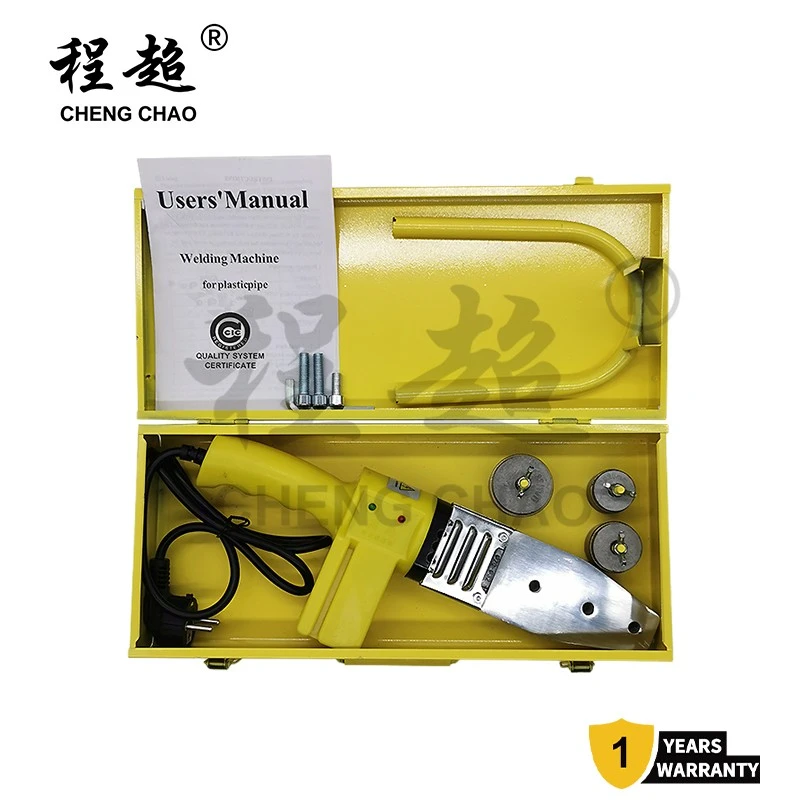
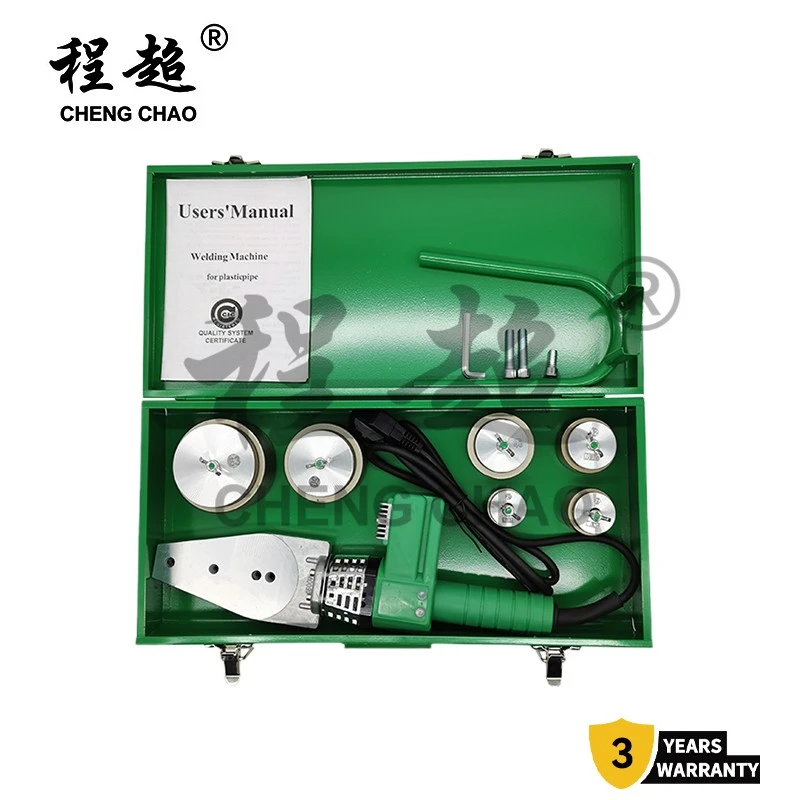
Now, let's talk about the automatic PPR fusion machines. These machines are designed to join PPR pipes together using heat fusion. The process involves heating the ends of the pipes and the fittings to a specific temperature and then pushing them together to form a strong, leak - proof joint.
So, can an automatic PPR fusion machine be used for food - grade PPR pipes? The short answer is yes, but with some important conditions.
Compatibility of the Machine
The first thing to consider is the compatibility of the automatic PPR fusion machine with food - grade PPR pipes. The machine should be able to heat the pipes and fittings to the correct temperature. Different PPR pipes, including food - grade ones, have specific melting and fusion temperatures. If the machine heats the pipes too much or too little, it can affect the quality of the joint. For example, overheating can cause the material to break down and release harmful substances, which is a big no - no for food - grade applications.
Most of our Automatic Socket Fusion Machine are designed with precise temperature control systems. This ensures that the pipes are heated to the optimal temperature for a perfect fusion every time. The temperature control is crucial because it helps maintain the integrity of the food - grade PPR material.
Cleanliness of the Machine
Another critical factor is the cleanliness of the automatic PPR fusion machine. Since we're dealing with food - grade applications, any contamination on the machine can transfer to the pipes and ultimately to the food or beverages. Before using the machine for food - grade PPR pipes, it should be thoroughly cleaned. This includes removing any dirt, debris, or residues from previous use.
Our 32mm Automatic Fusion Machine is easy to clean. It has smooth surfaces that don't trap dirt easily, and the heating elements can be wiped down to ensure they're free from any contaminants. Regular maintenance and cleaning of the machine are essential to keep it in top condition for food - grade applications.
Quality of the Joint
The quality of the joint formed by the automatic PPR fusion machine is also vital. In food - grade applications, a poor - quality joint can lead to leaks, which can contaminate the food or beverage supply. A good joint should be strong, uniform, and free from any defects.
Our Heat Fusion Machine is designed to create high - quality joints. It uses advanced technology to ensure that the pipes and fittings are fused together evenly. The pressure applied during the fusion process is carefully controlled to prevent any gaps or weak spots in the joint.
Regulatory Compliance
When using an automatic PPR fusion machine for food - grade applications, it's important to ensure that the machine itself complies with relevant regulations. Some regions may have specific requirements for equipment used in food - related industries. For example, the machine may need to be made from materials that are safe for contact with food or have certain safety features.
We make sure that all our automatic PPR fusion machines meet the necessary regulatory standards. We work closely with testing agencies to ensure that our machines are safe and reliable for use in food - grade applications.
Training and Skill
Even with a high - quality automatic PPR fusion machine, the operator's training and skill are crucial. Using the machine correctly is essential to achieve a proper fusion. Operators should be trained on how to set the correct temperature, how long to heat the pipes, and how to apply the right pressure during the fusion process.
We offer training programs for our customers to ensure that they can use our automatic PPR fusion machines effectively. Our technicians are always available to provide support and answer any questions that the operators may have.
In conclusion, an automatic PPR fusion machine can definitely be used for PPR pipes in food - grade applications, but it requires careful consideration of factors like compatibility, cleanliness, joint quality, regulatory compliance, and operator training.
If you're in the market for an automatic PPR fusion machine for food - grade applications, we're here to help. Our machines are designed to meet the highest standards and provide reliable performance. Whether you're a small - scale food processing plant or a large - scale food production facility, we have the right machine for you.
If you're interested in learning more about our products or have any questions, feel free to reach out. We'd love to have a chat and discuss how our automatic PPR fusion machines can meet your specific needs. Let's work together to ensure the safety and quality of your food - grade PPR pipe systems.
References
- "Polypropylene Pipes: Properties, Design, and Applications" by [Author's Name]
- FDA regulations on food contact materials
- EU food contact regulations and guidelines