


As a supplier of Plumbers Test Pumps, I've encountered numerous situations where customers face issues with these essential tools. Troubleshooting a plumbers test pump is a crucial skill that can save time, money, and prevent unnecessary stress. In this blog post, I'll share my expertise on how to troubleshoot common problems with plumbers test pumps.
Understanding the Basics of a Plumbers Test Pump
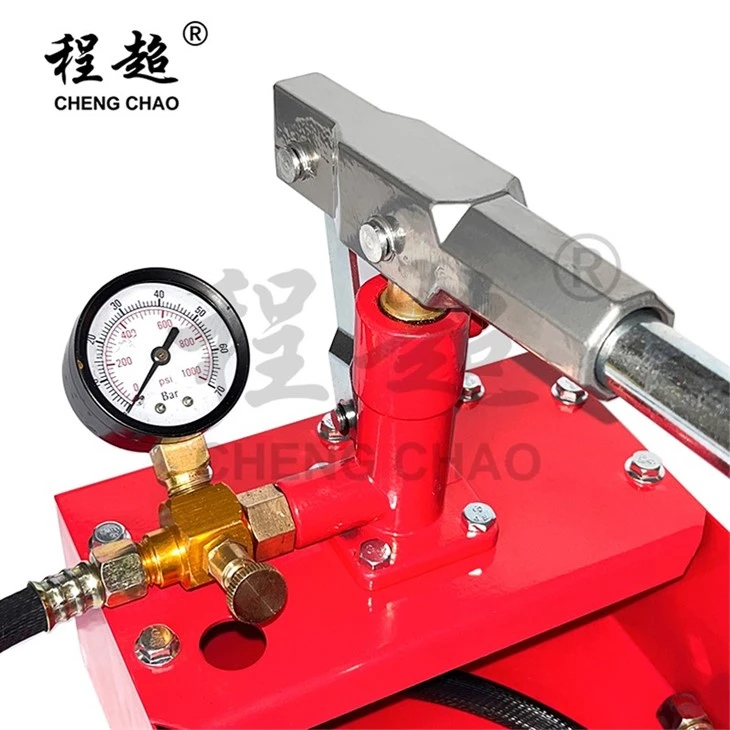
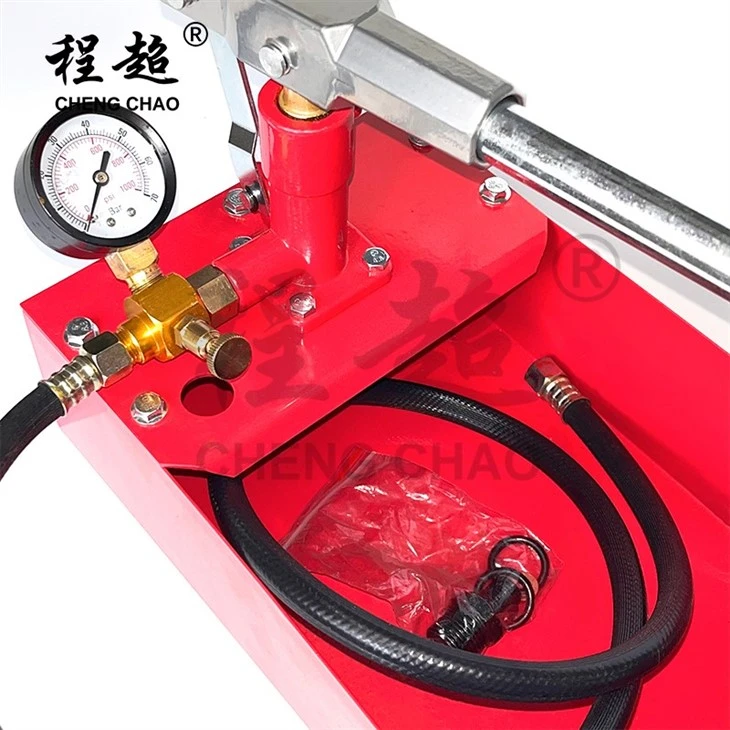
Before we dive into troubleshooting, it's important to understand the basic components and functions of a plumbers test pump. A plumbers test pump is a device used to test the integrity of plumbing systems by applying pressure to the pipes. It typically consists of a pump body, a pressure gauge, a handle for manual operation or a motor for automatic operation, and various valves and connectors.
The main purpose of a plumbers test pump is to detect leaks in the plumbing system. By pressurizing the pipes, any leaks will cause a drop in pressure, which can be easily detected by the pressure gauge. This allows plumbers to identify and fix leaks before they cause significant damage.
Common Problems and Troubleshooting Steps
1. Pump Not Building Pressure
One of the most common problems with plumbers test pumps is the inability to build pressure. This can be caused by several factors, including:
- Air in the System: If there is air trapped in the pump or the plumbing system, it can prevent the pump from building pressure. To fix this, you need to bleed the air out of the system. Start by opening all the valves on the pump and the plumbing system to allow the air to escape. Then, operate the pump slowly to force the air out. Repeat this process until the pressure starts to build.
- Leaking Seals or Gaskets: Leaking seals or gaskets can also cause the pump to lose pressure. Inspect all the seals and gaskets on the pump for signs of damage or wear. If you find any leaks, replace the damaged seals or gaskets.
- Blocked Inlet or Outlet: A blocked inlet or outlet can prevent the pump from drawing in water or releasing pressure. Check the inlet and outlet ports for any debris or blockages. If you find any blockages, clean them out using a small brush or a pipe cleaner.
2. Pressure Gauge Not Reading Correctly
Another common problem is an inaccurate pressure gauge reading. This can be caused by:
- Calibration Issues: Over time, the pressure gauge may become inaccurate due to normal wear and tear. To check the calibration of the gauge, you can use a known pressure source, such as a calibrated pressure gauge or a pressure regulator. Compare the reading on the pump's pressure gauge with the known pressure source. If there is a significant difference, you may need to calibrate or replace the pressure gauge.
- Damaged Pressure Gauge: A damaged pressure gauge can also give inaccurate readings. Inspect the pressure gauge for any signs of damage, such as a cracked face or a bent needle. If the gauge is damaged, replace it with a new one.
3. Pump Making Unusual Noises
If your pump is making unusual noises, it could be a sign of a problem. Some common causes of unusual noises include:
- Loose Parts: Loose parts, such as bolts or nuts, can cause the pump to vibrate and make noise. Check all the parts on the pump for tightness. If you find any loose parts, tighten them using a wrench or a screwdriver.
- Worn Bearings or Bushings: Worn bearings or bushings can also cause the pump to make noise. Inspect the bearings and bushings for signs of wear or damage. If you find any problems, replace the worn parts.
- Cavitation: Cavitation occurs when the pump is not able to draw in enough water, causing the water to vaporize and form bubbles. This can cause the pump to make a loud, rattling noise. To fix this, check the water supply to the pump and make sure it is sufficient. You may also need to adjust the pump's speed or suction lift.
4. Pump Overheating
Overheating is another common problem that can damage the pump. Some possible causes of overheating include:
- Excessive Use: If the pump is used for an extended period of time without a break, it can overheat. Make sure to give the pump a rest every few hours to prevent overheating.
- Blocked Cooling System: A blocked cooling system can prevent the pump from dissipating heat, causing it to overheat. Check the cooling fins and the air intake on the pump for any debris or blockages. If you find any blockages, clean them out using a small brush or a compressed air gun.
- Faulty Motor: A faulty motor can also cause the pump to overheat. If you suspect that the motor is faulty, have it checked by a professional electrician or a pump technician.
Choosing the Right Plumbers Test Pump
When it comes to choosing a plumbers test pump, there are several factors to consider. Here are some of the most important factors:
- Pressure Rating: The pressure rating of the pump determines the maximum pressure it can generate. Make sure to choose a pump with a pressure rating that is suitable for your plumbing system. For example, if you are testing a low-pressure plumbing system, a 50 Bar Pressure Test Pump may be sufficient. However, if you are testing a high-pressure system, you may need a 70Psi Water Pressure Test Pump.
- Flow Rate: The flow rate of the pump determines how quickly it can fill the plumbing system with water. A higher flow rate means the pump can fill the system faster, which can save you time. Consider your specific needs and choose a pump with an appropriate flow rate.
- Portability: If you need to move the pump from one job site to another, portability is an important factor to consider. Look for a pump that is lightweight and easy to carry.
- Durability: A plumbers test pump is an investment, so you want to choose a pump that is durable and built to last. Look for pumps made from high-quality materials and with a good reputation for reliability.
Conclusion
Troubleshooting a plumbers test pump can be a challenging task, but with the right knowledge and tools, it can be done effectively. By understanding the common problems and their causes, you can quickly identify and fix issues with your pump. Remember to choose the right pump for your needs and to follow the manufacturer's instructions for maintenance and operation.
If you have any questions or need further assistance with troubleshooting your plumbers test pump, or if you are interested in purchasing a new pump, please don't hesitate to contact us. We are a leading supplier of plumbers test pumps and have a wide range of products to choose from, including the 50 Bar Pressure Test Pump, 40 Bar Water Pressure Testing Pump, and 70Psi Water Pressure Test Pump. Our team of experts is always ready to help you find the best solution for your plumbing testing needs.
References
- Plumbing Handbook by John Doe
- Pump Maintenance Guide by ABC Publishing