


As a seasoned supplier of Heat Fusion Machines, I've witnessed firsthand the critical role that temperature control plays in the efficiency and effectiveness of these machines. In this blog, I'll delve into the intricacies of how temperature control in a Heat Fusion Machine works, offering insights that can help you make informed decisions when choosing the right equipment for your needs.
The Basics of Heat Fusion
Before we dive into temperature control, let's briefly review the concept of heat fusion. Heat fusion is a process used to join thermoplastic pipes and fittings by heating them to a specific temperature and then pressing them together. This creates a strong, permanent bond that is leak-proof and highly durable. Heat Fusion Machines are designed to automate this process, ensuring consistent and reliable results.

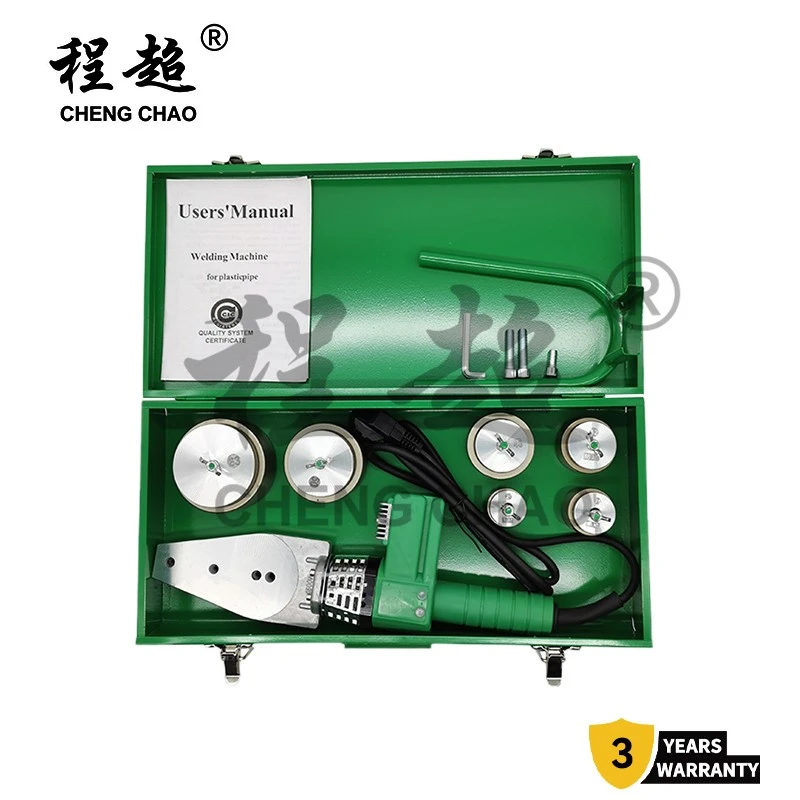
The Importance of Temperature Control
Temperature control is the heart of a Heat Fusion Machine. The success of the fusion process depends on heating the pipes and fittings to the exact temperature required for proper melting and bonding. If the temperature is too low, the material may not melt sufficiently, resulting in a weak joint. On the other hand, if the temperature is too high, the material can become overheated, leading to degradation, distortion, and potential failure of the joint.
Components of Temperature Control in a Heat Fusion Machine
A typical Heat Fusion Machine consists of several key components that work together to achieve precise temperature control:
Heating Element
The heating element is responsible for generating the heat required to melt the thermoplastic material. It is usually made of a high-resistance alloy that converts electrical energy into heat. The quality and design of the heating element can significantly impact the heating efficiency and temperature uniformity of the machine.
Temperature Sensor
A temperature sensor is used to monitor the temperature of the heating element and the surrounding environment. It provides real-time feedback to the control system, allowing it to adjust the power supplied to the heating element to maintain the desired temperature. Common types of temperature sensors used in Heat Fusion Machines include thermocouples and resistance temperature detectors (RTDs).
Control System
The control system is the brain of the Heat Fusion Machine. It receives input from the temperature sensor and compares it to the set temperature. Based on this comparison, it adjusts the power supplied to the heating element using a proportional-integral-derivative (PID) algorithm. The PID algorithm calculates the error between the actual and set temperatures and adjusts the power output accordingly to minimize this error and maintain a stable temperature.
Display and User Interface
The display and user interface allow the operator to set the desired temperature and monitor the current temperature and other operating parameters of the machine. It provides a convenient way to control the fusion process and ensure that the machine is operating within the specified temperature range.
How Temperature Control Works in Practice
Let's take a closer look at how the temperature control system in a Heat Fusion Machine operates during a typical fusion process:
- Initial Setup: The operator sets the desired temperature on the user interface based on the type and size of the thermoplastic material being fused. The control system stores this set temperature and begins to monitor the actual temperature using the temperature sensor.
- Heating Phase: The control system activates the heating element and supplies power to it. As the heating element heats up, the temperature sensor continuously measures the temperature and sends this information to the control system. The control system compares the actual temperature to the set temperature and adjusts the power output to the heating element using the PID algorithm.
- Temperature Stabilization: Once the actual temperature reaches the set temperature, the control system adjusts the power output to maintain a stable temperature within a narrow tolerance range. This ensures that the material is heated evenly and consistently throughout the fusion process.
- Fusion Process: When the pipes and fittings are inserted into the heating tool, the heat is transferred from the heating element to the material, causing it to melt. The operator then presses the pipes and fittings together for a specified period of time to form a strong bond.
- Cooling Phase: After the fusion process is complete, the control system reduces the power output to the heating element and allows the joint to cool. The cooling rate is carefully controlled to prevent rapid cooling, which can cause internal stresses and affect the quality of the joint.
Advanced Temperature Control Features
Modern Heat Fusion Machines often come with advanced temperature control features that enhance the precision and reliability of the fusion process:
Preheating Function
Some machines offer a preheating function that allows the operator to preheat the pipes and fittings before the main fusion process. This helps to ensure that the material reaches the desired temperature more quickly and evenly, reducing the overall fusion time and improving the quality of the joint.
Temperature Compensation
Temperature compensation is a feature that adjusts the set temperature based on the ambient temperature and other environmental factors. This helps to maintain consistent fusion results regardless of the operating conditions.
Multiple Temperature Profiles
Advanced machines may support multiple temperature profiles, allowing the operator to select different temperature settings for different types of thermoplastic materials and pipe sizes. This provides greater flexibility and precision in the fusion process.
Choosing the Right Heat Fusion Machine for Your Needs
When selecting a Heat Fusion Machine, it's important to consider the following factors related to temperature control:
Temperature Range
Make sure the machine can reach and maintain the temperature required for the specific thermoplastic material you are working with. Different materials have different melting points, so it's essential to choose a machine with a suitable temperature range.
Temperature Accuracy
Look for a machine that offers high temperature accuracy and stability. A machine with a precise temperature control system will ensure consistent and reliable fusion results.
Heating Speed
The heating speed of the machine can affect the overall productivity of your operation. A machine with a fast heating speed will reduce the waiting time between fusion cycles, allowing you to complete more jobs in less time.
User-Friendly Interface
A user-friendly interface makes it easier for operators to set the temperature and monitor the fusion process. Look for a machine with a clear display and intuitive controls.
Our Product Recommendations
As a leading supplier of Heat Fusion Machines, we offer a wide range of products to meet the diverse needs of our customers. Here are some of our popular models:
- 63mm Polifusor PPR: This machine is designed for fusing 63mm PPR pipes and fittings. It features advanced temperature control technology and a user-friendly interface, making it ideal for both professional installers and DIY enthusiasts.
- Automatic Socket Fusion Machine: Our Automatic Socket Fusion Machine is a high-performance machine that offers precise temperature control and fast heating speed. It is suitable for fusing a variety of thermoplastic pipes and fittings, including PPR, PE, and PVC.
- 32mm Automatic Fusion Machine: This compact and lightweight machine is perfect for small-scale fusion projects. It provides accurate temperature control and easy operation, making it a popular choice among contractors and homeowners.
Contact Us for More Information
If you have any questions about our Heat Fusion Machines or need assistance in choosing the right equipment for your needs, please don't hesitate to contact us. Our team of experts is always ready to provide you with the information and support you need to make an informed decision. Whether you're a large construction company or a small plumbing contractor, we can help you find the perfect solution for your heat fusion requirements.
References
- "Thermoplastic Pipe Fusion Handbook" by the Plastic Pipe Institute
- "Principles of Heat Transfer" by Frank P. Incropera and David P. DeWitt
- "Industrial Temperature Measurement" by John W. Doebelin