


Hey there! As a supplier of PPR repair kits, I've seen firsthand how the thickness of a PPR pipe can have a big impact on the use of our repair kits. In this blog, I'm gonna break down how pipe thickness matters and what you need to know when using our PPR repair kits.
Understanding PPR Pipe Thickness
PPR pipes come in different thicknesses, and these variations are no accident. The thickness is usually determined by factors like the intended use of the pipe, the pressure it'll need to withstand, and the environmental conditions it'll be exposed to. Thicker pipes are generally more robust and can handle higher pressures. They're often used in commercial settings or in areas where the water pressure is really high. On the other hand, thinner pipes are more flexible and can be a good choice for low - pressure applications or in tight spaces where bending the pipe is necessary.
How Thickness Affects the Repair Process
Adhesion and Sealing
When you're using a PPR repair kit, one of the key things is getting a good seal. The thickness of the pipe plays a crucial role here. Thicker pipes have more material, which means there's more surface area for the repair materials in our kit to bond with. For example, if you're using a glue - based repair kit, the glue has more space to spread and create a strong bond. This results in a more reliable and long - lasting repair.
In contrast, thinner pipes have less surface area. The repair materials might not adhere as well, and there's a higher risk of the seal failing over time. You might find that the repair doesn't hold up as well under pressure, leading to leaks.
Heat Distribution (for Fusion - Based Kits)
Some of our PPR repair kits use fusion technology, like Fusion Socket Welding. When you're fusing a repair piece to the pipe, heat distribution is super important. Thicker pipes take longer to heat up because there's more material to warm through. If you don't give the pipe enough time to heat evenly, the fusion won't be proper. You might end up with a weak joint that can break easily.
Thinner pipes, on the other hand, heat up much faster. But this can also be a problem. If you're not careful, you can overheat the pipe, causing it to deform. This will also lead to a poor - quality repair. So, when using a fusion - based repair kit, you need to adjust your heating time according to the pipe thickness.
Compatibility with Repair Components
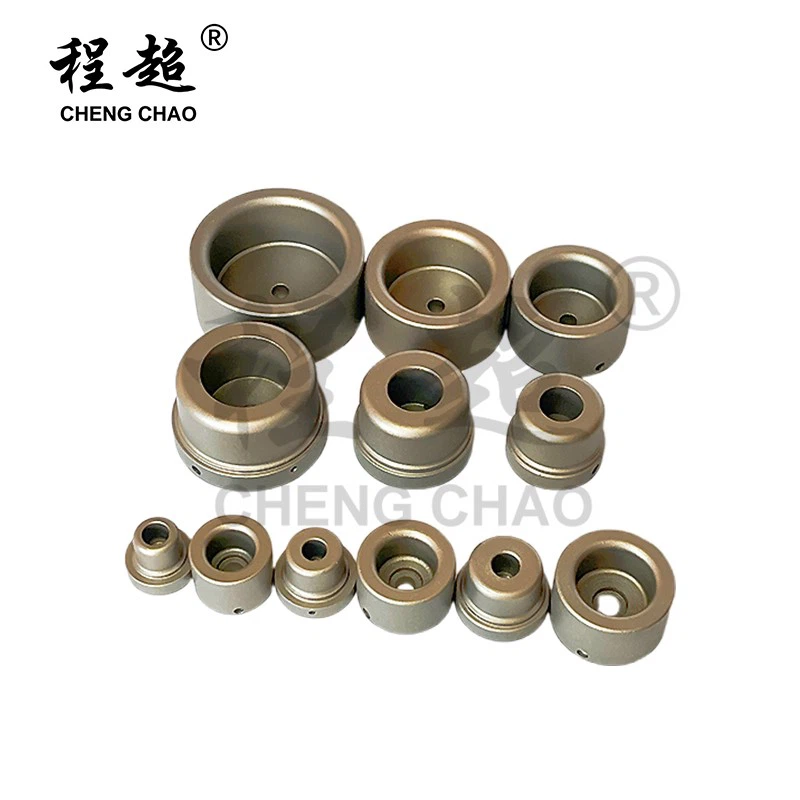
Our repair kits come with different components, such as PPR Fusion Sockets and Plastic Pipe Welding Sockets. These components are designed to fit different pipe thicknesses. For thicker pipes, you'll need larger and more robust repair components. The sockets need to be able to fully enclose the pipe and provide a proper connection.
If you try to use a component designed for a thinner pipe on a thicker one, it simply won't fit. And vice versa, using a large component on a thin pipe can lead to an improper fit and a weak repair. So, it's essential to choose the right repair components based on the pipe thickness.
Tips for Using Our PPR Repair Kits Based on Pipe Thickness
For Thicker Pipes
- Take Your Time: When using a fusion - based kit, make sure to give the pipe enough time to heat up evenly. Follow the instructions in our kit carefully and use a timer if necessary.
- Check the Seal: After the repair, do a thorough check of the seal. You can use a pressure test to ensure that the repair can handle the expected pressure.
- Choose the Right Components: Select the larger - sized components in our kit that are designed for thicker pipes.
For Thinner Pipes
- Be Careful with Heat: Don't overheat the pipe. Use a lower heat setting if possible and monitor the pipe closely during the fusion process.
- Use Extra Support: Since thinner pipes are more prone to failure, you might want to add some extra support around the repair area. This can help prevent the pipe from bending or breaking.
- Select Appropriate Components: Pick the smaller - sized components in our kit that fit the thinner pipe properly.
Why Choose Our PPR Repair Kits
Our PPR repair kits are designed with all these factors in mind. We offer a wide range of components to fit different pipe thicknesses, so you can always find the right parts for your repair job. Our products are made from high - quality materials, ensuring a strong and long - lasting repair. Whether you're dealing with a thick commercial pipe or a thin residential one, our kits have got you covered.
If you're in the market for a reliable PPR repair kit, don't hesitate to reach out. We're here to help you with any questions you might have about choosing the right kit for your pipe thickness. Whether you're a DIY enthusiast or a professional plumber, our kits are easy to use and will get the job done right.

So, if you're looking to make a smart purchase for your PPR pipe repairs, get in touch with us today. We're eager to assist you in finding the perfect solution for your specific needs.
References
- PPR Pipe Installation and Repair Manuals
- Industry Standards for PPR Pipe Repairs