


Hey there! As a supplier of manual butt fusion machines, I've seen firsthand how crucial it is to adjust the pressure correctly. Whether you're a newbie in the field or a seasoned pro, getting the pressure right can make all the difference in your welding projects. In this blog, I'll share some tips on how to adjust the pressure of a manual butt fusion machine.
First off, let's talk about why pressure adjustment matters. When you're using a manual butt fusion machine to weld pipes, the right pressure ensures a strong and reliable joint. If the pressure is too low, the pipes won't fuse properly, and you might end up with a weak connection that could leak or fail over time. On the other hand, if the pressure is too high, it can cause the molten plastic to squeeze out too much, leading to an uneven weld and potentially weakening the joint as well.
So, how do you know what the right pressure is? Well, it depends on a few factors, like the type and size of the pipes you're welding, the material of the pipes (such as HDPE), and the specific requirements of your project. Most manual butt fusion machines come with a pressure gauge that shows you the current pressure. But before you start adjusting the pressure, you need to refer to the manufacturer's guidelines. These guidelines will give you a recommended pressure range for different pipe sizes and materials.
Let's say you're working with a 160mm Manual HDPE Butt Fusion Machine. The first step is to make sure the machine is set up correctly. Check that all the parts are properly assembled and that the heating plate is at the right temperature. Once everything is ready, you can start preparing to adjust the pressure.

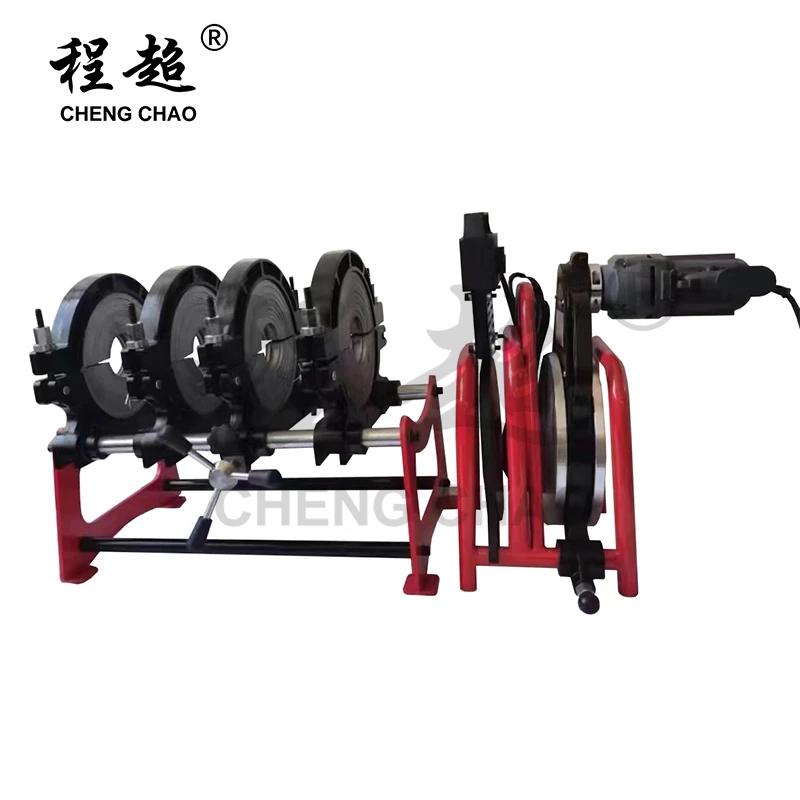
To adjust the pressure, you'll usually have a pressure adjustment knob or valve on the machine. Start by turning it slowly to increase or decrease the pressure. As you turn the knob, keep an eye on the pressure gauge. It's a good idea to make small adjustments at a time and give the machine a few seconds to stabilize after each adjustment. This way, you can accurately see the effect of each change on the pressure.
When you're welding pipes, you'll typically go through a few different pressure stages. First, there's the initial pressure, which is used to bring the pipes into contact with the heating plate. This pressure should be just enough to ensure good contact between the pipes and the heating plate, but not too high to cause excessive deformation. After the pipes have been heated for the recommended time, you'll need to quickly remove the heating plate and apply the welding pressure. This is the pressure that actually fuses the pipes together. The welding pressure is usually higher than the initial pressure and needs to be maintained for a certain period of time to allow the molten plastic to bond properly.
Now, let's talk about some common mistakes to avoid when adjusting the pressure. One of the biggest mistakes is not following the manufacturer's guidelines. Each machine is designed differently, and the recommended pressure settings are based on extensive testing to ensure optimal performance. So, always make sure to read and follow the instructions carefully.
Another mistake is making too large of an adjustment at once. This can lead to overshooting the desired pressure and causing problems with the weld. Remember, slow and steady wins the race when it comes to pressure adjustment.
Also, don't forget to check the pressure regularly during the welding process. The pressure can change due to factors like temperature variations or the movement of the pipes. By monitoring the pressure, you can make any necessary adjustments to keep the weld quality consistent.
If you're using a Manual HDPE Pipe Welding Machine or a Polyethylene Fusion Welding machine, the basic principles of pressure adjustment are the same. But always refer to the specific guidelines for that machine to ensure you're getting the best results.
In addition to adjusting the pressure, there are a few other things you can do to improve the quality of your welds. Make sure the pipes are clean and free of any dirt, grease, or debris before welding. This will help ensure a better bond between the pipes. Also, use the right tools for the job, like a pipe cutter to get a clean cut on the pipes and a deburring tool to remove any rough edges.
Well, that's about it for adjusting the pressure of a manual butt fusion machine. I hope these tips have been helpful to you. If you're in the market for a high - quality manual butt fusion machine, we've got a great selection to choose from. Our machines are built to last and are designed to make your welding projects easier and more successful.
If you have any questions about our products or need more advice on pressure adjustment or any other aspect of manual butt fusion welding, don't hesitate to reach out. We're here to help you make the right choice for your needs. Whether you're a small - scale contractor or a large - scale industrial operation, we've got the perfect machine for you. So, if you're interested in purchasing a manual butt fusion machine, just get in touch with us, and we'll be happy to discuss your requirements and get you started on the right path.
References
- Manufacturer's manuals of manual butt fusion machines
- Industry standards for polyethylene pipe welding