


Hey there! I'm a supplier of automatic PPR fusion machines. Cleaning the fusion head of an automatic PPR fusion machine is super important to keep it working well and last longer. In this blog, I'll share some tips on how to clean the fusion head effectively.
First off, let's talk about why cleaning the fusion head matters. When you're using an automatic PPR fusion machine, the fusion head gets in contact with PPR pipes during the welding process. Over time, PPR residue can build up on the fusion head. This residue can affect the quality of the welds. If there's too much residue, the heat transfer might not be even, which can lead to weak or uneven welds. Also, a dirty fusion head can increase the wear and tear on the machine, reducing its lifespan.
Before you start cleaning, make sure the machine is turned off and unplugged. Safety first, right? You don't want to get an electric shock or burn yourself while cleaning.
Now, let's get into the cleaning process. The first step is to remove any loose debris from the fusion head. You can use a soft - bristled brush for this. A paintbrush works great. Just gently brush the fusion head to get rid of any dust, small pieces of PPR, or other loose stuff. This initial brushing helps to prevent scratching the surface of the fusion head when you do the more detailed cleaning later.
After brushing, it's time to deal with the stubborn PPR residue. One effective way is to use a special PPR cleaning agent. There are many on the market. You can soak a clean cloth in the cleaning agent and then gently wipe the fusion head. Make sure to cover all the surfaces, especially the areas where the PPR pipes make contact. Be careful not to apply too much pressure as you don't want to damage the heating elements or the coating on the fusion head.
If you don't have a cleaning agent on hand, you can also use a mixture of mild dish soap and warm water. It's not as powerful as a dedicated cleaning agent, but it can still do a decent job. Dip a cloth in the soapy water, wring it out so it's not dripping wet, and then wipe the fusion head. After wiping with the soapy water, use a clean, damp cloth to rinse off the soap.
For really tough residue, you might need to use a plastic scraper. But be extremely careful when using it. Only use a plastic scraper because a metal one can scratch the fusion head. Scrape the residue gently, following the contours of the fusion head. Don't try to force off large chunks of residue all at once, as this can cause damage.
Once you've removed the residue, it's important to dry the fusion head thoroughly. You can use a dry, clean cloth to wipe it down. Make sure there's no moisture left on the fusion head, as water can cause rusting or other damage, especially if there are any exposed metal parts.
Regular cleaning is key. I recommend cleaning the fusion head after every 10 - 15 welding jobs. This helps to keep the machine in top condition and ensures consistent, high - quality welds.
Now, let me tell you a bit about our range of automatic PPR fusion machines. We have the 63mm Polifusor PPR. This machine is great for larger - diameter PPR pipes. It's built to be durable and reliable, with an easy - to - clean fusion head. The design allows for efficient heat transfer, which means better welds.
Another option is our Automatic Plastic Welding Machine. This one is perfect for medium - sized PPR pipes. It has advanced features that make the welding process smooth and the fusion head is designed to resist residue buildup, but still, regular cleaning is necessary.
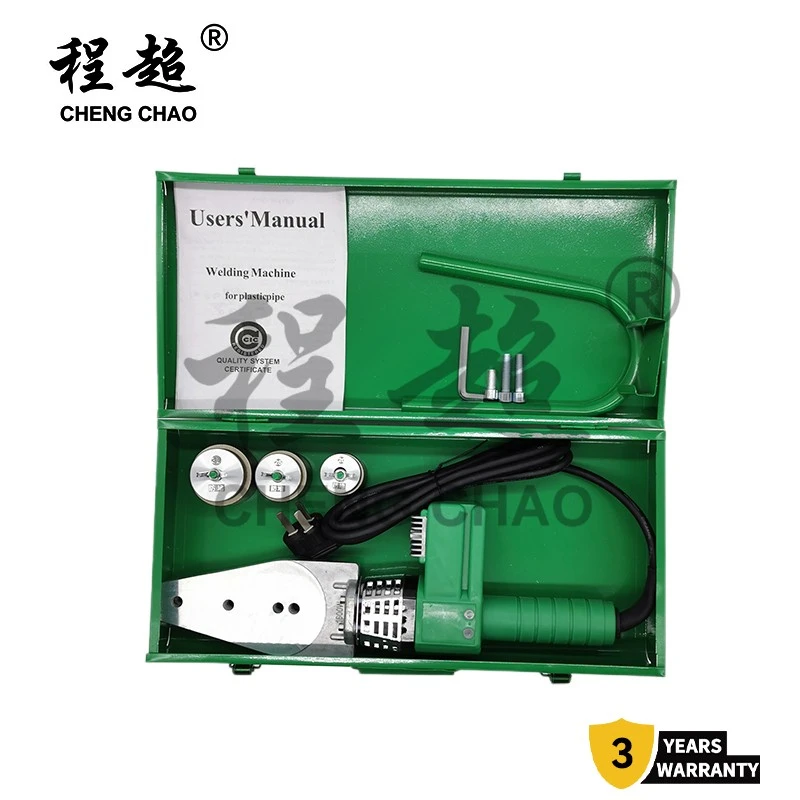
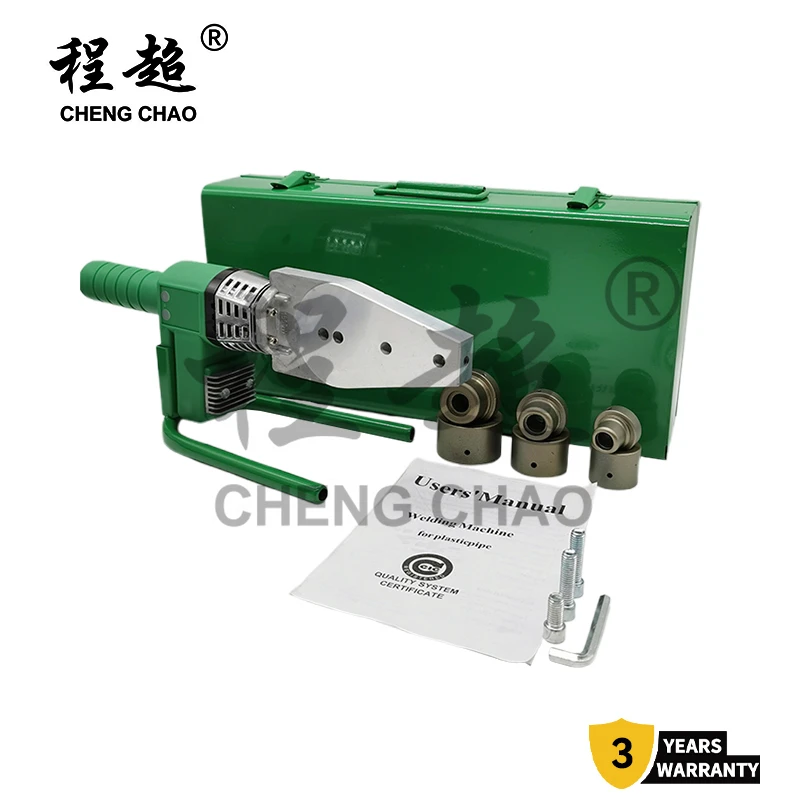
We also offer the Socket Fusion Plastic Pipe Welding Tool. This is a high - power machine suitable for a variety of PPR pipe sizes. It's very popular among our customers because of its performance and the ease of maintenance of the fusion head.
If you're in the market for an automatic PPR fusion machine or need more advice on cleaning and maintaining them, don't hesitate to reach out. Whether you're a professional plumber or a DIY enthusiast, our machines can meet your needs. Cleaning the fusion head regularly will ensure that your machine serves you well for a long time. So, take good care of it, and you'll get great results with your PPR pipe welding projects.
If you have any questions or want to discuss your requirements for an automatic PPR fusion machine, feel free to start a conversation with us. We're here to help you make the right choice and keep your machine in great shape.
References
- Manufacturer's manuals of automatic PPR fusion machines
- Industry best practices for cleaning and maintaining plastic welding equipment