


Hey there! As a supplier of butt fusion machines, I've seen firsthand how important it is to ensure the quality of pipe joints made with these machines. In this blog post, I'm gonna share some tips on how to measure the quality of a pipe joint made by a butt fusion machine.

Visual Inspection
The first step in measuring the quality of a pipe joint is a visual inspection. After the fusion process is complete, take a close look at the joint. You're looking for a uniform bead around the circumference of the joint. The bead should be smooth and continuous, without any signs of cracks, bubbles, or other defects.
If the bead is uneven or has gaps, it could indicate that the pipes weren't properly aligned during the fusion process. This can lead to weak spots in the joint, which can cause leaks or failures down the line. So, make sure to check the bead carefully and look for any signs of trouble.
Dimensional Checks
In addition to a visual inspection, you should also perform dimensional checks on the joint. Use a caliper or other measuring tool to measure the thickness of the bead and the diameter of the pipes at the joint. The thickness of the bead should be consistent around the entire joint, and the diameter of the pipes should match within a certain tolerance.
If the bead is too thin or too thick, or if the diameter of the pipes doesn't match, it could indicate that the fusion process wasn't carried out correctly. This can also lead to weak spots in the joint, so it's important to make sure the dimensions are within the specified range.
Pressure Testing
Another way to measure the quality of a pipe joint is to perform a pressure test. This involves filling the pipes with water or another fluid and applying pressure to the system to see if the joint holds up. The pressure should be gradually increased to the maximum operating pressure of the system and held for a certain period of time.
If the joint leaks or fails during the pressure test, it's a clear sign that there's a problem with the joint. You may need to re-fuse the pipes or take other corrective action to ensure the integrity of the system.
Non-Destructive Testing
In some cases, you may need to perform non-destructive testing on the joint to detect any hidden defects. This can include techniques such as ultrasonic testing, X-ray testing, or magnetic particle testing. These methods can help you identify any internal flaws or defects in the joint that may not be visible to the naked eye.
Non-destructive testing is especially important for critical applications where the integrity of the joint is essential. It can help you catch any problems early on and take corrective action before they cause serious damage.
Choosing the Right Butt Fusion Machine
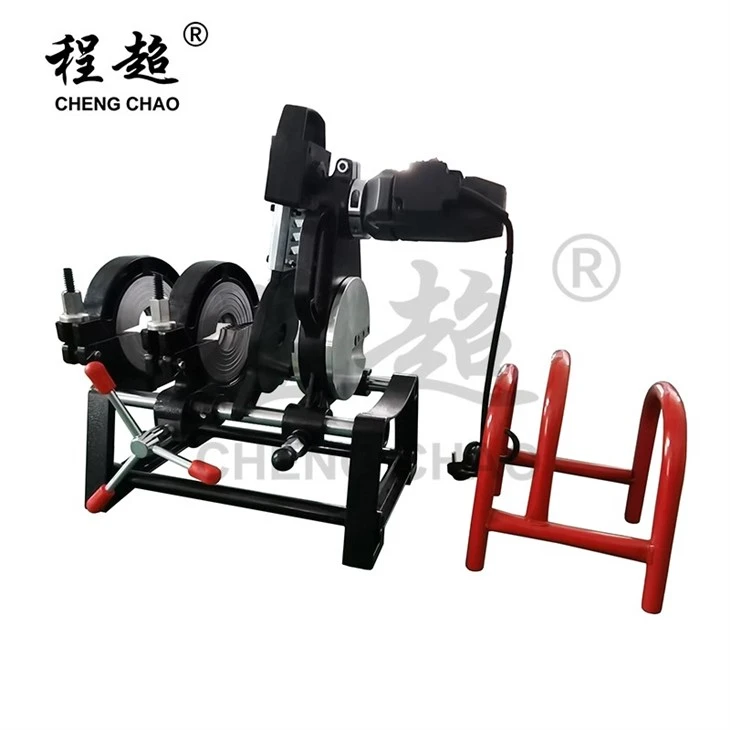
Of course, the quality of the pipe joint also depends on the quality of the butt fusion machine you're using. At our company, we offer a range of high-quality butt fusion machines that are designed to produce reliable and consistent joints.
For example, our Manual HDPE Pipe Welding Machine is a great option for small to medium-sized projects. It's easy to use and can handle pipes up to 250mm in diameter.
If you're looking for a more compact and portable option, our Manual Fusion Machine for HDPE Pipe is a great choice. It's designed for pipes up to 160mm in diameter and is perfect for on-site repairs and installations.
And if you need a machine with a higher capacity, our 160mm Manual HDPE Butt Fusion Machine is a great option. It can handle pipes up to 160mm in diameter and is suitable for larger projects.
Conclusion
Measuring the quality of a pipe joint made by a butt fusion machine is an important part of ensuring the integrity and reliability of your piping system. By performing visual inspections, dimensional checks, pressure testing, and non-destructive testing, you can identify any problems early on and take corrective action to prevent leaks and failures.
And if you're in the market for a high-quality butt fusion machine, be sure to check out our range of products. We're committed to providing our customers with the best possible products and services, and we're always happy to help you find the right machine for your needs.
If you have any questions or would like to learn more about our products, please don't hesitate to contact us. We're here to help you make the right choice and ensure the success of your project.
References
- "Butt Fusion Welding of Thermoplastic Pipes," Plastics Pipe Institute.
- "ASTM F2620 - Standard Practice for Butt Fusion Joining of Polyethylene (PE) Pressure Pipes and Fittings," ASTM International.