


Operating a PPR fusion socket in a low - temperature environment can be a bit tricky, but with the right knowledge and techniques, you can get the job done effectively. As a PPR Fusion Socket supplier, I've seen firsthand the challenges that come with working in cold conditions. In this blog, I'll share some tips on how to operate a PPR fusion socket when the mercury drops.
Understanding the Impact of Low Temperatures on PPR Fusion
First off, it's important to know why low temperatures can be a problem. PPR (Polypropylene Random Copolymer) is a thermoplastic material. When you're using a fusion socket to join PPR pipes, you rely on heat to soften the material so that it can bond properly. In cold weather, the PPR material cools down much faster than in normal conditions. This means that if you don't take extra precautions, the joint might not form correctly, leading to leaks or weak connections.
Pre - work Preparations
Keep the Materials Warm
Before you start the fusion process, make sure your PPR pipes and fusion sockets are at a reasonable temperature. You can store them indoors or in a heated area for a few hours before use. This will help to prevent the material from cooling too quickly during the fusion process. For example, if you're working on a construction site in winter, bring the pipes and sockets into a heated shed or trailer overnight.
Clean the Surfaces
Cleanliness is crucial in PPR fusion. Use a clean, dry cloth to wipe the surfaces of the pipes and sockets. Any dirt, moisture, or debris can interfere with the fusion process. In a low - temperature environment, moisture can freeze on the surfaces, so it's especially important to make sure they are completely dry.
Adjusting the Fusion Process
Increase the Heating Time
Since the PPR material cools faster in cold weather, you'll need to increase the heating time on your fusion socket. Refer to the manufacturer's guidelines, but generally, you might need to add an extra 10 - 20% to the normal heating time. For instance, if the normal heating time for a certain pipe size is 10 seconds, in a low - temperature environment, you might need to heat it for 11 - 12 seconds.
Be Quick with the Insertion
Once the pipes and sockets are heated, you need to act fast. Insert the pipe into the socket as quickly as possible. The cold air will start to cool the softened PPR material, so a delay can result in a poor joint. Make sure you insert the pipe fully and hold it in place for the recommended cooling time.
Safety Precautions
Wear Appropriate Gear
In a low - temperature environment, it's important to wear warm clothing to prevent hypothermia. Also, wear heat - resistant gloves to protect your hands from the hot fusion socket and pipes. Safety goggles are also a must to protect your eyes from any debris or splashes.

Check the Equipment Regularly
Cold weather can affect the performance of your fusion socket. Check the heating element, power cord, and other components regularly to make sure they are in good working condition. If you notice any issues, such as a decrease in heating efficiency, have the equipment repaired or replaced.
Using the Right Tools and Accessories
High - Quality Fusion Sockets
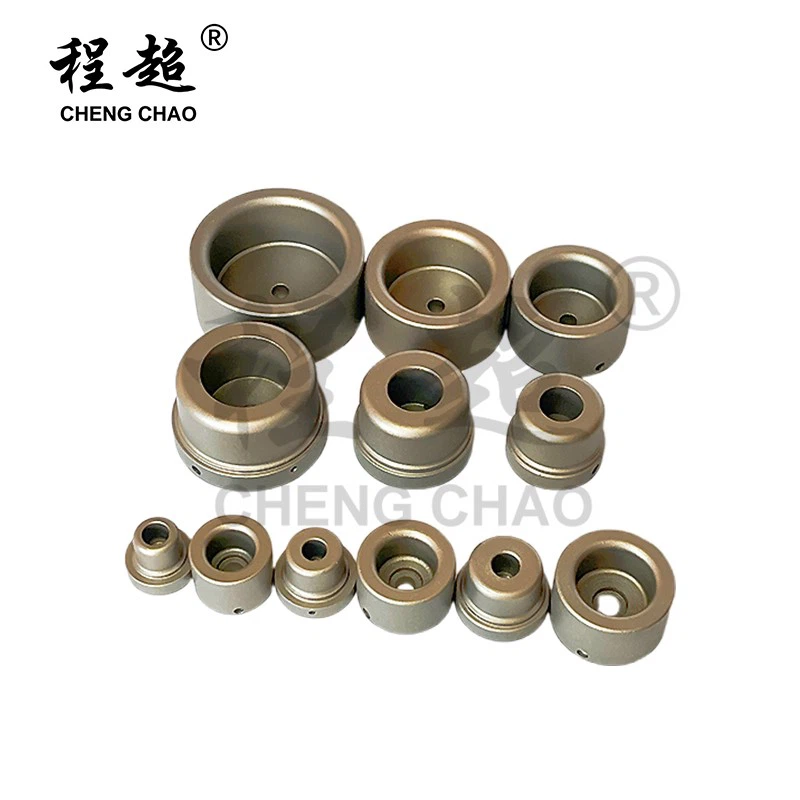
Invest in high - quality fusion sockets. Our Plastic Pipe Welding Sockets are designed to provide consistent and reliable heating, even in low - temperature environments. They are made from durable materials that can withstand the rigors of cold - weather work.
PPR Repair Kits
It's always a good idea to have a PPR Repair Kit on hand. In case of a failed joint, you can use the repair kit to fix the problem quickly. These kits usually include spare parts and instructions on how to make the repairs.
Fusion Socket Welding Accessories
For more precise and efficient fusion, consider using Fusion Socket Welding accessories. These can help you achieve better results, especially in challenging conditions.
Troubleshooting
Weak Joints
If you notice a weak joint after the fusion process, it could be due to insufficient heating or a quick cooling rate. Try increasing the heating time and make sure you insert the pipe quickly. If the problem persists, check the quality of your pipes and sockets.
Leaks
Leaks can occur if the joint is not properly formed. Inspect the joint carefully and look for any signs of gaps or unevenness. If you find a leak, you can use a PPR repair kit to seal it.
Conclusion
Operating a PPR fusion socket in a low - temperature environment requires some extra care and attention. By following the tips above, you can ensure that your PPR pipe joints are strong and reliable, even in cold weather. If you have any questions or need more information about our PPR fusion sockets and accessories, feel free to reach out to us. We're here to help you with all your PPR fusion needs. Whether you're a professional plumber or a DIY enthusiast, we have the products and expertise to support you. So, don't let the cold weather stop you from getting the job done right. Contact us today to discuss your procurement needs and let's work together to make your projects a success.
References
- Manufacturer's guidelines for PPR fusion sockets
- Industry best practices for PPR pipe installation in cold weather