


As a supplier of Pipe Cutter Ratchets, I understand the importance of keeping these tools in top - notch condition. A sharp blade is crucial for the efficient and precise cutting of pipes. In this blog, I'll share some comprehensive tips on how to sharpen the blades of a Pipe Cutter Ratchet.
Understanding the Pipe Cutter Ratchet
Before delving into the sharpening process, it's essential to know the basic components of a Pipe Cutter Ratchet. It typically consists of a handle, a ratcheting mechanism, and the cutting blade. The blade is the key part that comes into direct contact with the pipe and performs the cutting operation. Different models, such as the 1 1/4 In. Ratcheting PVC Cutter and 42mm Pipe Cutter, may have slightly different blade designs, but the fundamental sharpening principles remain the same.
Signs That Your Blade Needs Sharpening
- Difficulty in Cutting: If you find that the Pipe Cutter Ratchet is struggling to cut through pipes, even those of the same material and thickness as before, it's a clear sign that the blade has dulled.
- Rough Cuts: When the cuts on the pipes are rough, jagged, or uneven, it indicates that the blade is no longer sharp enough to make clean cuts.
- Increased Force Requirement: If you have to apply more force than usual to operate the Pipe Cutter Ratchet, the blade is likely dull.
Tools Required for Sharpening
- Sharpening Stone: A high - quality sharpening stone is the most common tool for sharpening the blades of a Pipe Cutter Ratchet. You can choose between a coarse - grit stone for initial sharpening and a fine - grit stone for finishing.
- Lubricant: A lubricant, such as oil, is necessary to prevent the blade from overheating during the sharpening process and to ensure smooth sharpening.
- Clamp: A clamp can be used to hold the Pipe Cutter Ratchet securely in place while sharpening, ensuring safety and accuracy.
Step - by - Step Sharpening Process
- Prepare the Workspace: Find a clean, well - lit area to work on. Place the Pipe Cutter Ratchet on a stable surface and use a clamp to secure it if necessary. Make sure you have all the required tools within reach.
- Inspect the Blade: Examine the blade carefully to identify any nicks, chips, or areas of excessive wear. This will help you determine the extent of sharpening required.
- Apply Lubricant: Pour a small amount of lubricant on the sharpening stone. This will help reduce friction and prevent the blade from getting damaged during sharpening.
- Sharpen the Blade: Hold the sharpening stone at the correct angle against the blade. The angle will depend on the design of the blade, but generally, it should be between 15 - 20 degrees. Move the stone along the edge of the blade in a smooth, consistent motion. Start with the coarse - grit stone if the blade is very dull, and then switch to the fine - grit stone for a smoother finish. Make sure to sharpen both sides of the blade evenly.
- Test the Sharpness: After sharpening, carefully remove the Pipe Cutter Ratchet from the clamp. Test the sharpness of the blade by making a few test cuts on a scrap piece of pipe. If the cuts are clean and smooth, the blade is sharp enough. If not, repeat the sharpening process.
- Clean and Maintain: Once you're satisfied with the sharpness of the blade, clean the Pipe Cutter Ratchet thoroughly to remove any metal shavings and lubricant. Apply a thin layer of oil to the blade to prevent rusting.
Tips for Maintaining a Sharp Blade
- Regular Cleaning: After each use, clean the Pipe Cutter Ratchet to remove any debris, dirt, or moisture. This will prevent the blade from corroding and dulling prematurely.
- Proper Storage: Store the Pipe Cutter Ratchet in a dry place, preferably in a toolbox or a protective case. This will protect the blade from damage and keep it in good condition.
- Avoid Overloading: Do not use the Pipe Cutter Ratchet to cut pipes that are beyond its recommended capacity. Overloading the tool can cause the blade to dull quickly.
Different Types of Pipe Cutter Ratchets and Their Blade Sharpening
There are various types of Ratcheting Pipe Cutters available in the market, each with its own unique blade design. For example, some ratcheting cutters are designed for cutting PVC pipes, while others are suitable for metal pipes. The sharpening process may be slightly different for each type.

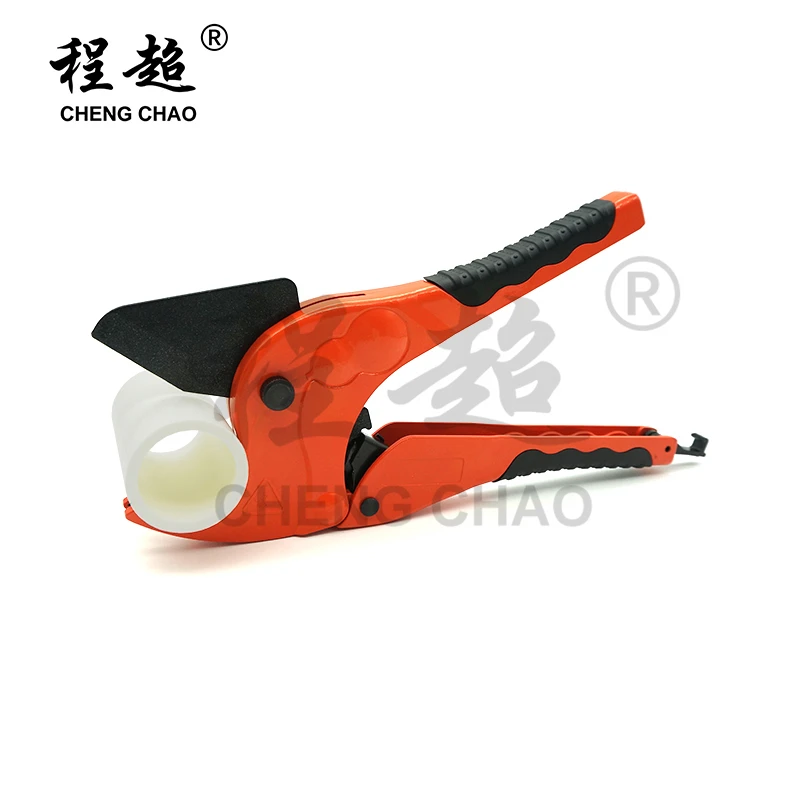
- PVC Pipe Cutters: These cutters usually have a relatively sharp and thin blade. When sharpening, be extra careful not to over - sharpen the blade, as it can become too brittle. Use a fine - grit stone for a gentle sharpening process.
- Metal Pipe Cutters: The blades of metal pipe cutters are often thicker and more robust. You may need to use a coarser - grit stone for initial sharpening to remove any heavy wear or nicks.
Common Mistakes to Avoid
- Over - sharpening: Over - sharpening the blade can make it too thin and brittle, reducing its lifespan and effectiveness.
- Incorrect Angle: Using the wrong angle when sharpening the blade can result in an uneven edge and poor cutting performance.
- Not Using Lubricant: Failing to use a lubricant during sharpening can cause the blade to overheat and damage the metal.
Conclusion
Sharpening the blades of a Pipe Cutter Ratchet is a skill that can significantly extend the life of your tool and improve its cutting performance. By following the steps and tips outlined in this blog, you can keep your Pipe Cutter Ratchet in excellent condition.
If you're in the market for high - quality Pipe Cutter Ratchets or need further advice on sharpening and maintenance, we're here to help. We are a leading supplier of Pipe Cutter Ratchets, offering a wide range of products to meet your needs. Contact us for more information and to discuss your procurement requirements.
References
- "Hand Tools for Plumbers" - A comprehensive guide on plumbing tools and their maintenance.
- Manufacturer's manuals for Pipe Cutter Ratchets, which often include specific sharpening instructions.