


Hey there! As a supplier of butt fusion machines, I often get asked about the best way to store these machines when they're not in use. A butt fusion machine is a pretty important piece of equipment, especially for those working with HDPE pipes. Whether you're a professional installer or a DIY enthusiast, knowing how to store your machine properly can extend its lifespan and keep it in top-notch condition.
First off, let's talk about the environment. You want to store your butt fusion machine in a clean, dry place. Moisture is the enemy here. If your machine gets wet, it can lead to rust and corrosion, which can seriously mess up its performance. A garage or a storage shed can be a good option, but make sure it's well-ventilated. You don't want any condensation building up inside.

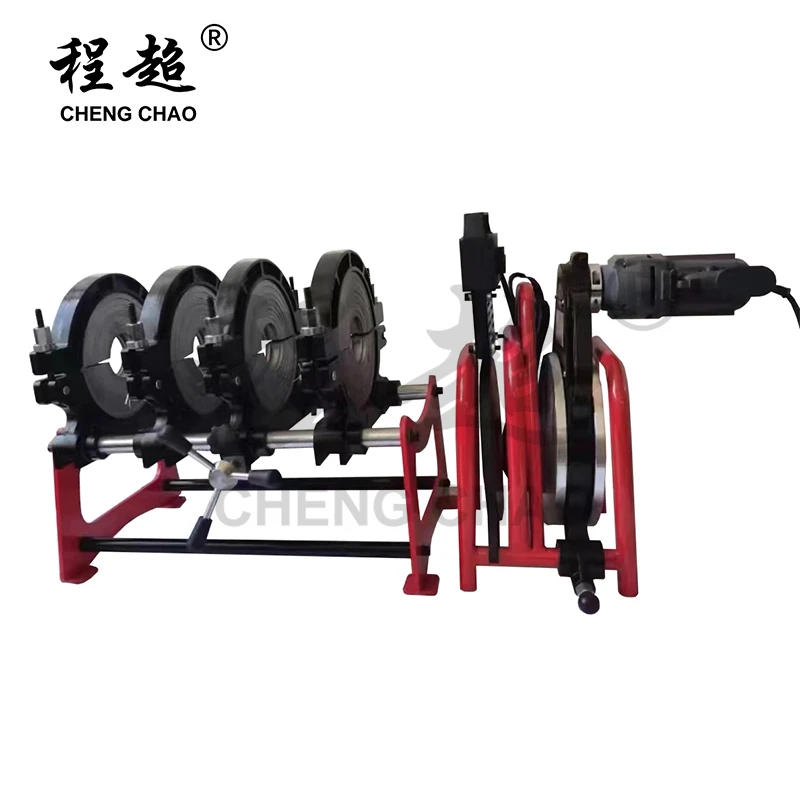
If you're storing it in a shed, it's a good idea to put the machine on a raised platform. This helps to keep it away from any potential water on the floor. You can use wooden pallets or even some sturdy bricks. Just make sure the platform is stable so the machine doesn't tip over.
Now, let's think about temperature. Extreme temperatures can also be bad for your butt fusion machine. In really hot weather, the plastic parts can warp, and in cold weather, the metal parts can become brittle. Try to keep the storage area at a moderate temperature. If possible, avoid storing the machine in an uninsulated shed during the peak of summer or winter.
Before you store the machine, it's crucial to clean it thoroughly. Remove any dirt, debris, or plastic shavings from the machine. You can use a soft brush to get into all the nooks and crannies. Pay special attention to the heating element and the clamping jaws. These parts are really important for the fusion process, so you want to make sure they're clean.
After cleaning, you might want to lubricate the moving parts. This helps to prevent rust and keeps the machine running smoothly. Use a light machine oil and apply it to the joints and moving parts according to the manufacturer's instructions.
Another thing to consider is covering the machine. You can use a heavy-duty plastic cover or a custom-made machine cover. This protects the machine from dust and dirt. Make sure the cover fits snugly so it doesn't blow off.
Now, let's talk about the accessories. If your butt fusion machine comes with accessories like welding plates, clamps, and wrenches, you should store them separately. You can use a toolbox or a storage bin to keep them organized. This way, you won't lose any of the small parts, and they'll be easy to find when you need them.
When it comes to long-term storage, you might want to consider removing the battery (if your machine has one). Batteries can lose their charge over time, and in some cases, they can even leak. So, it's a good idea to remove the battery, charge it fully, and store it in a cool, dry place.
If you're planning to store the machine for an extended period, it's also a good idea to check on it regularly. Every few months, take a look at the machine to make sure there are no signs of damage or corrosion. You can also give it a quick test run to make sure it's still working properly.
Now, I know you might be thinking about upgrading or buying a new butt fusion machine. We have some great options available. Check out our Manual HDPE Pipe Welding Machine and Manual Fusion Machine for HDPE Pipe. These machines are designed for high-quality polyethylene fusion welding, just like our Polyethylene Fusion Welding machine.
If you're interested in purchasing a butt fusion machine or have any questions about storage or usage, don't hesitate to reach out. We're here to help you make the best decision for your needs.
In conclusion, proper storage of your butt fusion machine is essential for its longevity and performance. By following these tips, you can ensure that your machine is always ready to go when you need it.
References:
- Manufacturer's manuals for butt fusion machines
- Industry best practices for equipment storage