


Troubleshooting a heat fusion machine is an essential skill for anyone working with these devices, whether you're a professional plumber, a construction worker, or a DIY enthusiast. As a supplier of high-quality heat fusion machines, including the 32mm Automatic Fusion Machine, Polypropylene Fusion Welding Machine, and Plastic Fusion Machine, we understand the importance of keeping your equipment in top working condition. In this blog post, we'll walk you through some common issues you might encounter with a heat fusion machine and provide practical solutions to get it back up and running.
1. Machine Doesn't Power On
One of the most frustrating problems you can face is when your heat fusion machine refuses to power on. This issue can stem from several sources, and here's how you can troubleshoot it:
Check the Power Source
First, ensure that the machine is properly plugged into a functioning power outlet. Sometimes, a loose connection can prevent the machine from receiving power. Try plugging another device into the same outlet to confirm that it's working. If the outlet is dead, check the circuit breaker or fuse box to see if a breaker has tripped or a fuse has blown. Reset the breaker or replace the fuse if necessary.
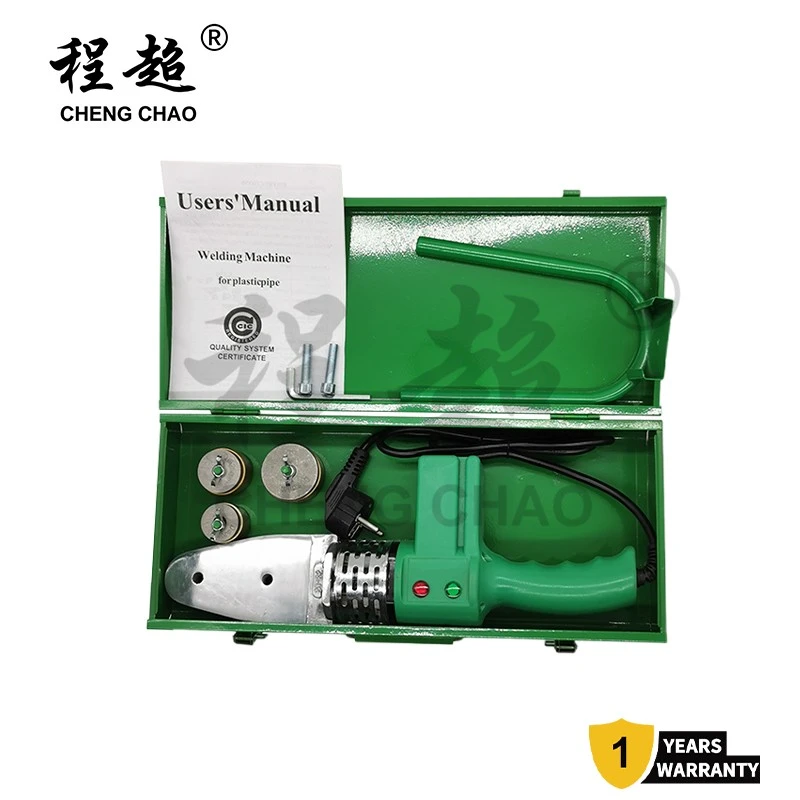

Inspect the Power Cord
Examine the power cord for any visible signs of damage, such as cuts, frays, or exposed wires. If you find any damage, do not attempt to use the machine. A damaged power cord can pose a serious safety hazard. Instead, replace the power cord with a new one that is compatible with your heat fusion machine.
Check the On/Off Switch
The on/off switch may be faulty. Try toggling the switch several times to see if it makes a difference. If the switch feels loose or doesn't seem to engage properly, it may need to be replaced. Consult the machine's user manual for instructions on how to access and replace the on/off switch.
2. Heating Element Isn't Heating Up
If the machine powers on but the heating element fails to reach the desired temperature, there are a few things you can check:
Verify the Temperature Setting
Make sure that the temperature setting on the machine is correctly adjusted. Sometimes, the setting may have been accidentally changed. Refer to the user manual for the recommended temperature settings for the type of plastic pipes you are working with.
Check the Heating Element
Over time, the heating element can wear out or become damaged. Look for any signs of visible damage, such as a broken or burned element. If the heating element appears to be damaged, it will need to be replaced. This is a more complex repair that may require professional assistance. Contact our technical support team for guidance on replacing the heating element.
Inspect the Thermostat
The thermostat is responsible for regulating the temperature of the heating element. If the thermostat is malfunctioning, it may not be sending the correct signals to the heating element. Use a multimeter to test the thermostat for continuity. If the thermostat fails the continuity test, it will need to be replaced.
3. Uneven Heating
Uneven heating can result in poor-quality welds and may cause the pipes to not fuse properly. Here's how to address this issue:
Clean the Heating Plate
Dirt, debris, or melted plastic residue on the heating plate can interfere with the heat transfer process, leading to uneven heating. Turn off the machine and allow it to cool completely. Then, use a soft cloth or a plastic scraper to remove any buildup on the heating plate. Be careful not to scratch the surface of the plate, as this can also affect the heating performance.
Check the Alignment
Ensure that the pipes are properly aligned in the machine. Misaligned pipes can cause uneven pressure distribution on the heating plate, resulting in uneven heating. Make sure that the pipes are centered and held firmly in place during the heating process.
Inspect the Heating Plate for Damage
A damaged heating plate can also cause uneven heating. Look for any warping, cracks, or other signs of damage. If the heating plate is damaged, it will need to be replaced. Contact our customer service for replacement parts and instructions on how to install them.
4. Poor Weld Quality
Even if the machine is heating up properly, you may still encounter issues with the quality of the welds. Here are some factors to consider:
Pipe Preparation
Proper pipe preparation is crucial for a successful weld. Make sure that the pipes are clean, dry, and free of any dirt, grease, or moisture. Use a pipe cutter to make clean, square cuts on the pipes. Any irregularities in the pipe ends can affect the quality of the weld.
Heating Time
The heating time is another critical factor. If the pipes are not heated for long enough, they may not fuse properly. On the other hand, overheating can cause the plastic to degrade and result in a weak weld. Refer to the user manual for the recommended heating times based on the pipe diameter and material.
Welding Pressure
Applying the correct welding pressure is essential for a strong weld. Too little pressure can result in a weak bond, while too much pressure can cause the plastic to squeeze out and create a messy weld. Follow the manufacturer's instructions for applying the appropriate welding pressure.
5. Machine Makes Strange Noises
Unusual noises coming from your heat fusion machine can be a sign of a problem. Here's what you can do:
Identify the Source of the Noise
Listen carefully to the machine to determine where the noise is coming from. It could be coming from the motor, the fan, or another component. If the noise is coming from the motor, it may be a sign of a bearing problem or a loose belt. If it's coming from the fan, there may be a blockage or a problem with the fan blades.
Check for Loose Parts
Inspect the machine for any loose parts, such as screws, bolts, or panels. Tighten any loose parts to see if the noise goes away. If the noise persists, it may be a more serious issue that requires professional attention. Contact our technical support team for further assistance.
Conclusion
Troubleshooting a heat fusion machine requires a systematic approach and a basic understanding of how the machine works. By following the steps outlined in this blog post, you can identify and resolve many common issues that you may encounter. However, if you're unable to fix the problem on your own, don't hesitate to reach out to our team of experts. We're here to provide you with the support and guidance you need to keep your heat fusion machine in optimal working condition.
If you're in the market for a new heat fusion machine or need replacement parts for your existing one, we offer a wide range of high-quality products, including the 32mm Automatic Fusion Machine, Polypropylene Fusion Welding Machine, and Plastic Fusion Machine. Contact us today to discuss your specific needs and start a procurement negotiation.
References
- Manufacturer's user manuals for heat fusion machines
- Industry standards for plastic pipe fusion welding