


As a supplier of PPR fusion sockets, I've had numerous discussions with customers, contractors, and DIY enthusiasts about the ease or difficulty of operating these essential tools. PPR (Polypropylene Random Copolymer) fusion sockets are widely used in plumbing systems for joining PPR pipes securely and permanently. In this blog post, I'll delve into the factors that determine whether it's difficult to operate a PPR fusion socket, offering insights based on my experience in the industry.
Understanding the Basics of PPR Fusion Socket Welding
Before we assess the difficulty level, it's crucial to understand how PPR fusion socket welding works. The process involves heating both the pipe and the socket using a heating element until they reach a molten state. Once the correct temperature is achieved, the pipe is inserted into the socket and held in place for a specific period to allow the materials to fuse together. This creates a strong, leak - proof joint that is essential for a reliable plumbing system.
Factors Affecting the Difficulty of Operation
1. Skill and Experience
One of the most significant factors is the operator's skill and experience. For professional plumbers who have been performing PPR fusion socket welding for years, the process is relatively straightforward. They are familiar with the equipment, understand the correct heating times and temperatures, and can execute the fusion with precision.
On the other hand, DIY enthusiasts or those new to the process may find it challenging. They may struggle with setting the correct temperature on the welding machine, determining the right heating time, or aligning the pipe and socket accurately. However, with proper training and practice, even beginners can become proficient in PPR fusion socket welding.
2. Equipment Quality
The quality of the PPR fusion socket and the welding machine plays a vital role in the ease of operation. High - quality equipment is designed to provide consistent heating, accurate temperature control, and smooth operation. A well - made fusion socket will heat evenly, ensuring that the pipe and socket melt uniformly for a strong joint.
In contrast, low - quality equipment may have inconsistent heating, which can lead to uneven melting of the pipe and socket. This can result in weak joints, leaks, or even damage to the pipes. As a supplier, I always recommend investing in high - quality PPR fusion sockets and welding machines to make the operation easier and more reliable. You can explore our range of Plastic Pipe Welding Sockets for top - notch products.
3. Environmental Conditions
The environment in which the welding is taking place can also affect the difficulty level. Temperature and humidity can impact the heating and cooling times of the PPR materials. In cold weather, the pipes and sockets may cool down more quickly, reducing the time available for proper fusion. High humidity can also cause condensation on the heating elements, affecting their performance.
To overcome these challenges, it's important to take appropriate precautions. For example, in cold weather, you can pre - heat the pipes and sockets or work in a heated environment. In humid conditions, you can use a dehumidifier or ensure proper ventilation.
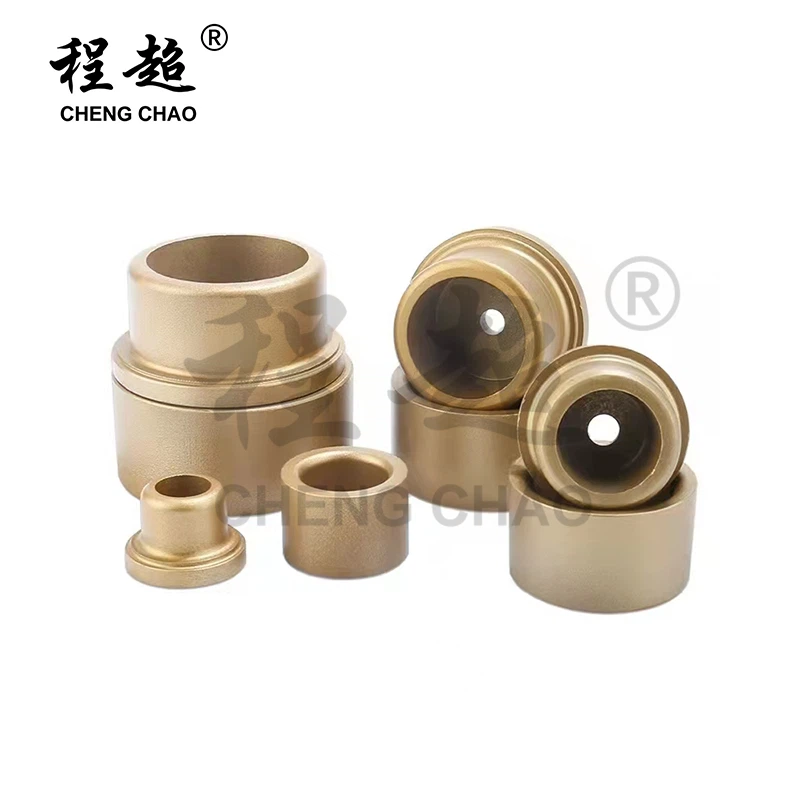

4. Pipe and Socket Dimensions
The dimensions of the PPR pipes and sockets can influence the operation difficulty. Larger diameter pipes and sockets require more heat and longer heating times. They also need to be handled more carefully during the insertion process to ensure proper alignment.
Smaller diameter pipes and sockets are generally easier to work with, but they still require precision. It's essential to select the correct size of fusion socket for the pipes to ensure a proper fit and a strong joint. Our PPR Repair Kit includes various sizes of sockets to meet different needs.
Steps to Make PPR Fusion Socket Operation Easier
1. Training
Whether you're a professional or a DIYer, training is key. There are many resources available, including online tutorials, training courses, and manufacturer's instructions. These resources can teach you the correct procedures for using a PPR fusion socket, such as setting the temperature, heating the pipe and socket, and making the joint.
2. Preparation
Proper preparation is essential for a successful fusion. Before starting the welding process, clean the pipes and sockets to remove any dirt, grease, or debris. This ensures a clean surface for melting and a stronger joint. Measure and mark the pipes accurately to determine the insertion depth.
3. Use the Right Tools
Invest in high - quality PPR fusion sockets and welding machines. Make sure the welding machine has accurate temperature control and a reliable heating element. Use pipe cutters to ensure clean and straight cuts on the pipes.
4. Practice
Practice makes perfect. Before working on an actual plumbing project, practice the fusion process on scrap pipes and sockets. This will help you get familiar with the equipment, improve your skills, and gain confidence.
Conclusion
In conclusion, operating a PPR fusion socket is not inherently difficult, but it does require some skill, knowledge, and the right equipment. With proper training, preparation, and practice, anyone can master the art of PPR fusion socket welding.
As a supplier, I'm committed to providing high - quality PPR fusion sockets and related products to make your plumbing projects easier and more successful. If you're interested in learning more about our products or have any questions about PPR fusion socket operation, feel free to reach out. We're here to assist you with your procurement needs and provide expert advice. Whether you're a professional plumber or a DIY enthusiast, we can offer the solutions you need for your next plumbing project. For more information on our fusion socket welding products, visit Fusion Socket Welding.
References
- Manufacturer's manuals for PPR fusion sockets and welding machines.
- Industry standards and guidelines for PPR pipe installation.
- Online resources and tutorials on PPR fusion socket welding.