


When it comes to the world of heat fusion machines, one crucial aspect that often gets overlooked is the noise level. As a supplier of high - quality heat fusion machines, I understand the importance of this factor for our customers. In this blog post, I will delve into the noise levels of heat fusion machines, their implications, and how our products stack up in this regard.
Understanding the Basics of Heat Fusion Machines
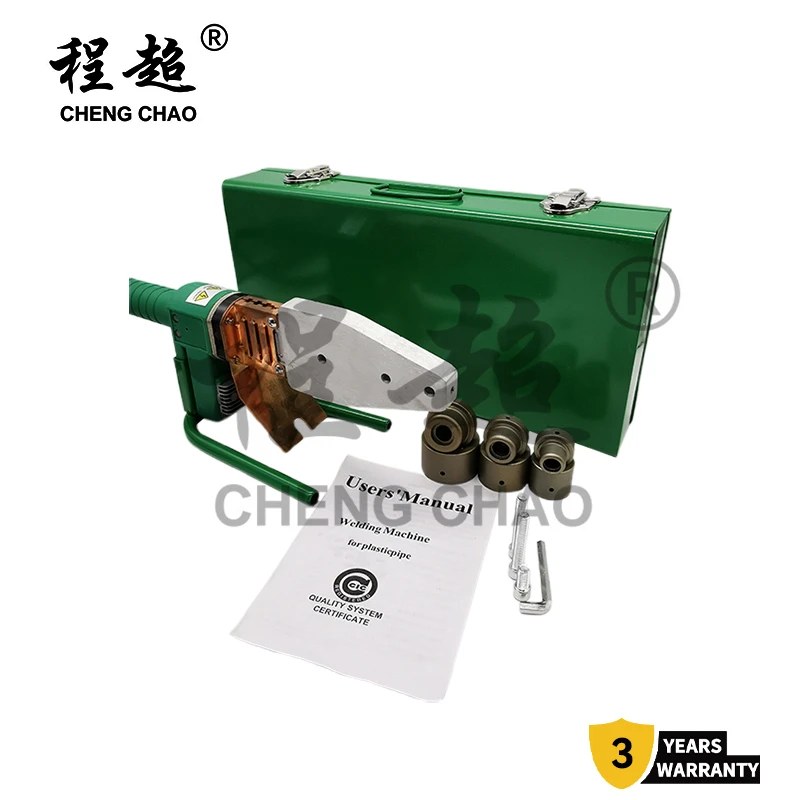
Heat fusion machines are essential tools in various industries, particularly in plumbing and plastic fabrication. They work by heating two pieces of plastic or other materials to a specific temperature until they reach a molten state. Then, the two pieces are joined together, creating a strong and permanent bond. There are different types of heat fusion machines available in the market, such as PPR Pipe Fusion Machine, 1500 Watt Plastic Welding Kit, and Plastic Fusion Machine. Each type has its own unique features and applications.
Factors Affecting the Noise Levels of Heat Fusion Machines
Several factors contribute to the noise levels produced by heat fusion machines. The first and most obvious factor is the motor. The motor is responsible for powering the heating elements and other moving parts of the machine. A high - powered motor may generate more noise, especially if it is not well - insulated or if it has worn - out components.
The heating elements also play a role in the noise production. As the elements heat up, they can expand and contract, creating a popping or crackling sound. This is more common in older machines or those with lower - quality heating elements.
The ventilation system of the machine is another factor. Heat fusion machines need to dissipate heat to prevent overheating. The fans in the ventilation system can produce a significant amount of noise, especially if they are running at high speeds.
Measuring Noise Levels
Noise levels are typically measured in decibels (dB). A decibel is a unit used to express the ratio of one sound intensity to another. In the context of heat fusion machines, the noise levels can range from relatively quiet to quite loud.
A quiet heat fusion machine may produce noise levels in the range of 50 - 60 dB. This is comparable to the sound of a normal conversation in a quiet room. On the other hand, a louder machine can reach noise levels of 80 - 90 dB, which is similar to the noise produced by a vacuum cleaner or a busy street.
It is important to note that prolonged exposure to noise levels above 85 dB can cause hearing damage. Therefore, it is crucial for operators of heat fusion machines to take appropriate safety measures, such as wearing ear protection.
Noise Levels of Our Heat Fusion Machines
As a supplier, we are committed to providing our customers with heat fusion machines that not only perform well but also operate quietly. Our engineering team has worked hard to design and manufacture machines with low noise levels.
Our PPR Pipe Fusion Machine is equipped with a high - quality motor that has been specifically designed to minimize noise. The motor is well - insulated, reducing the amount of noise that is transmitted to the surrounding environment. Additionally, the heating elements in our PPR pipe fusion machine are made of high - quality materials that expand and contract more evenly, reducing the popping and crackling sounds.
The 1500 Watt Plastic Welding Kit also features a state - of - the - art ventilation system. The fans in the ventilation system are designed to operate at lower speeds while still providing efficient heat dissipation. This results in a significant reduction in the noise produced by the ventilation system.
Our Plastic Fusion Machine is another example of our commitment to low - noise operation. The machine is constructed with noise - absorbing materials, which help to dampen the sound produced by the moving parts.
Implications of Noise Levels in the Workplace
The noise levels of heat fusion machines can have several implications in the workplace. High noise levels can be a distraction for operators, making it difficult for them to focus on their work. This can lead to errors and reduced productivity.

In addition, excessive noise can cause stress and fatigue among workers. Prolonged exposure to high noise levels can also have long - term health effects, such as hearing loss and tinnitus.
By providing heat fusion machines with low noise levels, we are not only improving the working conditions for our customers but also helping them to comply with workplace safety regulations.
Comparing Our Machines with Competitors
When compared to our competitors, our heat fusion machines stand out in terms of noise levels. Many of our competitors' machines produce high levels of noise, which can be a major drawback for customers.
Our focus on low - noise design gives us a competitive edge in the market. Customers are increasingly looking for machines that are not only efficient but also quiet. By offering heat fusion machines with low noise levels, we are able to meet the needs of our customers and provide them with a better overall experience.
Conclusion
In conclusion, the noise levels of heat fusion machines are an important consideration for both operators and suppliers. As a supplier, we understand the impact that noise can have on the workplace and are committed to providing our customers with machines that operate quietly. Our PPR Pipe Fusion Machine, 1500 Watt Plastic Welding Kit, and Plastic Fusion Machine are all designed with low noise levels in mind, ensuring a more comfortable and productive working environment.
If you are in the market for a heat fusion machine and are concerned about noise levels, we invite you to contact us for more information. Our team of experts will be happy to assist you in choosing the right machine for your needs and answer any questions you may have. Let's start a conversation about your heat fusion machine requirements and explore how our products can benefit your business.
References
- "Noise and Hearing Conservation Manual" by the National Institute for Occupational Safety and Health (NIOSH).
- "Handbook of Noise Measurement" by GenRad, Inc.