


Yo, what's up! I'm a supplier of PPR fusion sockets, and today I wanna talk about the adaptability of these nifty little things to different working conditions.
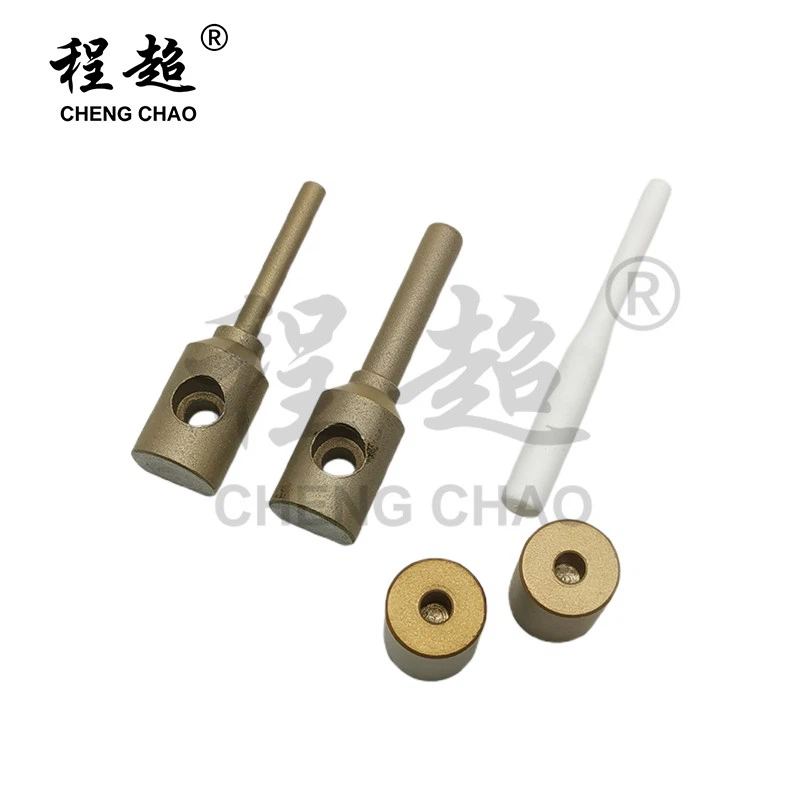

First off, let's get a basic understanding of what a PPR fusion socket is. It's a key component in PPR pipe systems. When you're working on a PPR piping project, these sockets are used to connect pipes together through a process called fusion welding. It's like creating a super - strong bond between the pipes, making the whole system reliable and leak - proof.
Now, let's dive into different working conditions and see how well PPR fusion sockets can adapt.
Temperature Conditions
One of the most important factors in any working environment is temperature. PPR fusion sockets are pretty tough when it comes to temperature variations.
In cold conditions, say around 0°C or even a bit lower, PPR fusion sockets can still do their job. But you gotta be a bit more careful. The fusion process might take a little longer because the material gets a bit stiffer. You may need to increase the heating time slightly to ensure a proper melt and a strong joint. However, as long as you make these minor adjustments, the sockets can form a good connection. For example, in a winter construction project where the pipes are installed outdoors, you can still use PPR fusion sockets effectively.
On the other hand, in high - temperature environments, like in industrial settings where the ambient temperature can reach 40°C or more, PPR fusion sockets also hold up well. The material has good heat - resistance properties. But here, you need to be cautious not to over - heat the sockets during the fusion process. Since the surrounding temperature is already high, the sockets may heat up faster. You should closely monitor the heating time and use a reliable heating tool to control the temperature accurately.
Humidity and Moisture
Humidity and moisture can also impact the performance of PPR fusion sockets. In a humid environment, like a basement or a coastal area, there's a risk of moisture getting on the surfaces of the pipes and sockets. Before starting the fusion process, it's crucial to dry the surfaces thoroughly. If there's moisture present during fusion, it can create bubbles or weak spots in the joint, which may lead to leaks later on.
But overall, PPR fusion sockets are made of materials that are relatively resistant to moisture. Once the joint is properly fused and the system is installed, the sockets can withstand normal levels of humidity without any major issues. For instance, in a bathroom renovation project where the humidity is usually high, PPR fusion sockets can still provide a long - lasting connection as long as the installation is done correctly.
Different Pipe Sizes
PPR fusion sockets come in a variety of sizes to fit different pipe diameters. Whether you're working with small - diameter pipes, like those used in residential plumbing for water supply to sinks and toilets, or large - diameter pipes for industrial water distribution systems, there's a suitable socket available.
When dealing with different pipe sizes, the key is to use the right - sized socket. The socket should fit snugly around the pipe to ensure a proper fusion. The fusion process may vary slightly depending on the size. Larger pipes and sockets may require more heating time and a bit more pressure during the joining process. But our PPR fusion sockets are designed to adapt to these differences, allowing for a seamless connection regardless of the pipe size.
Chemical Exposure
In some working conditions, PPR fusion sockets may be exposed to various chemicals. For example, in a chemical plant or a laboratory, the pipes may carry different types of chemicals. PPR material has good chemical resistance, which means that the fusion sockets can withstand exposure to many common chemicals.
However, it's important to know the specific chemicals that the pipes will be in contact with. Some strong acids or alkalis may have a more significant impact on the PPR material over time. In such cases, you may need to choose a special - grade PPR fusion socket that offers enhanced chemical resistance. Our product range includes these specialized sockets to meet the needs of different chemical - exposure scenarios.
Installation Space Constraints
Not all installation sites are spacious and easy to work in. Sometimes, you may encounter tight spaces, like in an old building where the pipes are located in narrow crawl spaces or behind walls. PPR fusion sockets are quite adaptable in these situations.
They are relatively compact in size, which makes them easier to maneuver in tight spaces. Also, the fusion process doesn't require a lot of extra room. You can use a small - sized heating tool to heat the sockets and pipes, and then make the connection even in a confined area. This adaptability is a big advantage when it comes to renovation projects or installations in existing buildings.
Compatibility with Other Materials
In some piping systems, PPR pipes and fusion sockets may need to be connected to other types of materials, such as metal pipes or fittings. Our PPR fusion sockets are designed to be compatible with a wide range of other materials.
There are special transition fittings available that can be used to connect PPR to metal. These fittings ensure a proper seal and prevent any issues like corrosion or leakage at the connection point. This compatibility allows for more flexibility in designing and installing piping systems, especially in complex projects where different materials need to be combined.
Now, if you're in the market for high - quality PPR fusion sockets, we've got you covered. We offer a wide range of Plastic Pipe Welding Sockets that are suitable for all the working conditions we've discussed. And if you ever need to make repairs, our PPR Repair Kit is a great option. For more information on Fusion Socket Welding, you can click the link.
If you're interested in purchasing our PPR fusion sockets, feel free to reach out to us for a detailed discussion. We can provide you with the best solutions for your specific project needs.
References
- PPR Pipe Installation Manuals
- Industry Research on PPR Material Properties
- Case Studies of PPR Piping Systems in Different Environments