


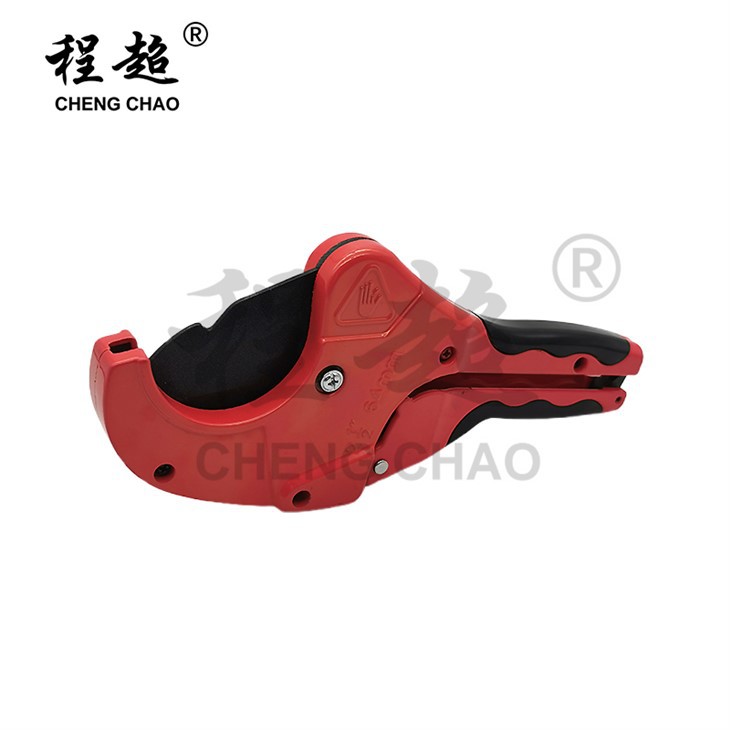
When it comes to plumbing and pipe - fitting work, a reliable PPR cutter is an indispensable tool. As a supplier of the 63mm PPR cutter, I am often asked about its corrosion resistance. In this blog, I will delve into the details of what the corrosion resistance of a 63mm PPR cutter entails, why it matters, and how it impacts the performance and longevity of the tool.
Understanding Corrosion
Corrosion is a natural process that occurs when a metal reacts with its environment, usually oxygen and moisture. This reaction leads to the deterioration of the metal, which can cause structural damage, loss of functionality, and a decrease in the tool's lifespan. For a 63mm PPR cutter, which is often used in wet or humid conditions typical of plumbing work, corrosion resistance is of utmost importance.
Factors Affecting the Corrosion Resistance of a 63mm PPR Cutter
Material Composition
The material from which the PPR cutter is made plays a crucial role in its corrosion resistance. Most high - quality 63mm PPR cutters are constructed from stainless steel or aluminum alloys. Stainless steel contains chromium, which forms a thin, protective oxide layer on the surface of the metal. This layer acts as a barrier, preventing oxygen and moisture from reaching the underlying metal and thus inhibiting corrosion. Aluminum alloys, on the other hand, also form a natural oxide layer that provides some level of corrosion protection.
For example, if a cutter is made from low - grade steel without proper anti - corrosion treatment, it will quickly rust when exposed to water or humidity. This rust can weaken the cutting edges and the overall structure of the cutter, making it less effective and potentially dangerous to use.
Surface Treatment
In addition to the base material, the surface treatment of the PPR cutter can significantly enhance its corrosion resistance. Some common surface treatments include galvanizing, powder coating, and passivation. Galvanizing involves applying a layer of zinc to the metal surface. Zinc is more reactive than iron, so it corrodes first, sacrificing itself to protect the underlying metal. Powder coating creates a durable, protective layer on the cutter's surface, acting as a physical barrier against moisture and chemicals. Passivation is a chemical process that removes free iron from the surface of stainless steel, further enhancing the stability of the protective oxide layer.
Design and Construction
The design and construction of the 63mm PPR cutter can also influence its corrosion resistance. A well - designed cutter will have features that prevent water and debris from accumulating in areas where corrosion is likely to occur. For instance, a cutter with smooth, rounded edges and minimal crevices is less likely to trap moisture compared to one with sharp corners and complex geometries. Additionally, proper sealing and gasketing in areas where moving parts are present can prevent water from seeping into the internal components of the cutter.
Importance of Corrosion Resistance in a 63mm PPR Cutter
Tool Performance
Corrosion can have a significant impact on the performance of a 63mm PPR cutter. As the cutting edges corrode, they become dull and less effective at cutting through PPR pipes. This can lead to uneven cuts, increased effort required to operate the cutter, and a higher risk of damaging the pipes. In plumbing work, where precision is crucial, a corroded cutter can result in leaks and other installation problems.
Longevity
A PPR cutter with good corrosion resistance will last longer, providing better value for money in the long run. Plumbing professionals and DIY enthusiasts alike rely on their tools to perform consistently over time. By investing in a cutter with high - quality materials and effective anti - corrosion measures, they can avoid the need for frequent replacements and reduce their overall tooling costs.

Safety
Corrosion can also pose a safety risk. A corroded cutter may have weakened parts that are more likely to break or malfunction during use. This can cause the cutter to slip or jam, potentially leading to injuries to the user. Ensuring that the cutter is corrosion - resistant helps to maintain its structural integrity and reduces the risk of accidents.
Comparing with Other Pipe Cutters
Let's take a look at how the corrosion resistance of a 63mm PPR cutter compares with other types of pipe cutters.
- Ratchet PVC Pipe Cutter: These cutters are often used for cutting PVC pipes. Similar to PPR cutters, their corrosion resistance depends on the material and surface treatment. However, since PVC pipes are typically used in less harsh environments compared to PPR pipes in some cases, the requirements for corrosion resistance may be slightly lower.
- 1 1/2 Inch PVC Pipe Cutter: Made from aluminum alloy, these cutters generally have good corrosion resistance due to the natural oxide layer formed on the aluminum surface. However, they may require additional surface treatments if they are to be used in extremely corrosive environments.
- Aluminum Pipe Cutter: Aluminum pipe cutters are lightweight and offer decent corrosion resistance. The aluminum alloy construction provides some level of protection against rust and corrosion, but like other tools, proper maintenance and surface treatment can further enhance their durability.
Maintaining the Corrosion Resistance of a 63mm PPR Cutter
Cleaning
Regular cleaning is essential to maintain the corrosion resistance of a 63mm PPR cutter. After each use, the cutter should be wiped clean with a dry cloth to remove any water, dirt, or debris. If the cutter has been exposed to chemicals or harsh substances, it may need to be washed with a mild detergent and then thoroughly dried.
Storage
Proper storage is also crucial. The cutter should be stored in a dry, cool place away from direct sunlight and moisture. Hanging the cutter on a wall or storing it in a toolbox with a desiccant can help prevent corrosion during periods of non - use.
Lubrication
Applying a thin layer of lubricant to the moving parts of the cutter can help protect against corrosion. Lubricants not only reduce friction but also create a barrier that prevents moisture from reaching the metal surfaces.
Conclusion
In conclusion, the corrosion resistance of a 63mm PPR cutter is a critical factor that affects its performance, longevity, and safety. As a supplier, I understand the importance of providing cutters that are made from high - quality materials, have effective surface treatments, and are well - designed to resist corrosion. By choosing a corrosion - resistant PPR cutter, plumbing professionals and DIYers can ensure that their tools perform reliably over time, providing precise cuts and minimizing the risk of installation problems.
If you are in the market for a high - quality 63mm PPR cutter with excellent corrosion resistance, please feel free to contact me for more information and to discuss your specific requirements. I am committed to providing the best products and services to meet your needs.
References
- ASM Handbook Volume 13A: Corrosion: Fundamentals, Testing, and Protection. ASM International.
- Corrosion Engineering by Mars G. Fontana. McGraw - Hill Education.
- Handbook of Corrosion Data, Second Edition by Bruce D. Craig. McGraw - Hill Education.