


Hey there! As a supplier of Pipe Cutter Ratchets, I often get asked about the cutting power requirement of these nifty tools. So, let's dive right in and break it down.
First off, what exactly is a Pipe Cutter Ratchet? It's a handy tool used for cutting pipes, and it's got a ratcheting mechanism that helps you make clean and precise cuts. But the cutting power requirement can vary depending on a few factors.
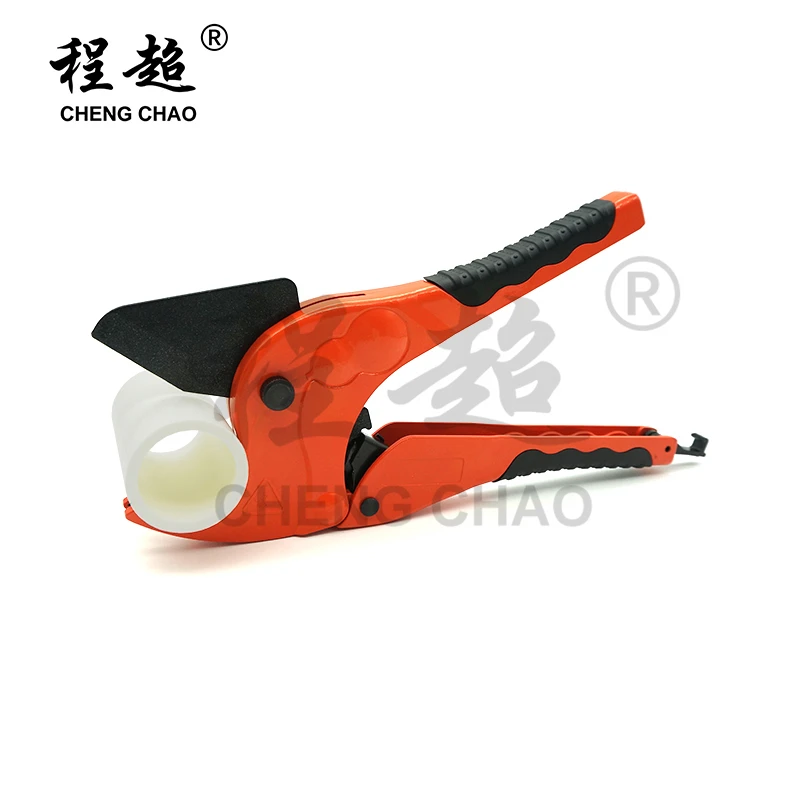

Factors Affecting Cutting Power Requirement
Pipe Material
The type of pipe material plays a huge role in determining the cutting power needed. For instance, PVC pipes are relatively soft compared to metal pipes like steel or copper. When you're cutting a 1 1/4 PVC Pipe Cutter, you won't need as much cutting power as you would for a steel pipe. PVC pipes can be cut with a relatively light - duty Pipe Cutter Ratchet because the material is easy to penetrate. On the other hand, steel pipes are much harder and require a more powerful cutter. The hardness of steel means that the cutter needs to apply more force to break through the material.
Pipe Diameter
The diameter of the pipe is another important factor. A larger diameter pipe generally requires more cutting power. If you're using a 42mm Pipe Cutter, you'll need a cutter that can handle the increased resistance. As the diameter of the pipe increases, the amount of material that needs to be cut also increases, which means the cutter has to work harder. Smaller diameter pipes, say 1/2 - inch or 3/4 - inch, can be cut with less cutting power compared to larger 2 - inch or 3 - inch pipes.
Wall Thickness
The wall thickness of the pipe also affects the cutting power requirement. Pipes with thicker walls need more force to cut through. A thin - walled PVC pipe will be easier to cut than a thick - walled steel pipe of the same diameter. The cutter has to overcome the additional material in thick - walled pipes, so a more powerful cutter is required.
Calculating Cutting Power Requirement
Calculating the exact cutting power requirement is a bit tricky, but there are some general guidelines. Manufacturers usually provide specifications for their Pipe Cutter Ratchets, indicating the maximum pipe diameter and material they can handle.
For example, if you're cutting a PVC pipe with a diameter of 1 1/4 inches, a standard Pipe Cutter Ratchet should be sufficient. But if you're dealing with a 42mm steel pipe, you'll need a more heavy - duty cutter.
The cutting power is often measured in terms of the force required to make the cut. This force can be influenced by the design of the cutter, such as the sharpness of the cutting blade and the efficiency of the ratcheting mechanism. A well - designed cutter with a sharp blade will require less force to cut through the pipe.
Our Pipe Cutter Ratchets
At our company, we offer a range of Pipe Cutter Ratchets that are designed to meet different cutting power requirements. Our cutters are made with high - quality materials and precision engineering to ensure efficient and accurate cuts.
We have light - duty cutters for small - diameter PVC pipes. These cutters are easy to use and require minimal effort. They're perfect for DIY projects or small - scale plumbing jobs.
For larger diameter pipes and more challenging materials like steel, we have heavy - duty cutters. These cutters are built to handle the increased cutting power requirement. They have strong blades and a robust ratcheting mechanism to make cutting through tough materials a breeze.
Importance of the Right Cutting Power
Using a Pipe Cutter Ratchet with the right cutting power is crucial. If you use a cutter that's too weak for the job, you'll end up struggling to make the cut. The blade may not penetrate the pipe properly, resulting in a jagged and uneven cut. This can lead to problems when fitting the pipes together.
On the other hand, using a cutter that's too powerful for the job can be overkill. It may damage the pipe or cause unnecessary wear and tear on the cutter. So, it's important to choose the right cutter based on the pipe material, diameter, and wall thickness.
How to Choose the Right Pipe Cutter Ratchet
When choosing a Pipe Cutter Ratchet, here are some things to consider:
- Pipe Material: As mentioned earlier, different materials require different cutting powers. Make sure the cutter you choose is suitable for the type of pipe you'll be cutting.
- Pipe Diameter: Check the maximum pipe diameter the cutter can handle. If you'll be cutting pipes of various diameters, consider a cutter with an adjustable jaw.
- Quality and Durability: Look for a cutter made with high - quality materials. A durable cutter will last longer and provide better performance.
- Ease of Use: A cutter that's easy to operate will make your job much easier. Consider features like a comfortable grip and a smooth ratcheting mechanism.
Contact Us for Your Pipe Cutter Ratchet Needs
If you're in the market for a Pipe Cutter Ratchet, we'd love to help. Our team of experts can assist you in choosing the right cutter for your specific requirements. Whether you're a professional plumber or a DIY enthusiast, we have the perfect cutter for you.
Don't hesitate to reach out to us for more information or to discuss your purchase. We're committed to providing high - quality products and excellent customer service.
References
- Plumbing Handbook: A comprehensive guide to plumbing tools and techniques.
- Pipe Cutting Industry Reports: Analyses of the latest trends and technologies in pipe cutting.