


Hey there! As a supplier of 63mm Polifusor PPR pipes, I often get asked about the pressure rating of these pipes. So, let's dive right into it and explore what the pressure rating of 63mm Polifusor PPR pipes really means.
First off, it's important to understand what PPR (Polypropylene Random Copolymer) is. PPR is a type of plastic material that's known for its excellent chemical resistance, high-temperature tolerance, and long service life. These properties make PPR pipes a popular choice for a wide range of applications, including hot and cold water supply systems in residential, commercial, and industrial buildings.
Now, let's talk about the pressure rating of 63mm Polifusor PPR pipes. The pressure rating of a pipe indicates the maximum pressure that the pipe can safely withstand without leaking or failing. For 63mm Polifusor PPR pipes, the pressure rating typically depends on several factors, such as the pipe's wall thickness, the material grade, and the operating temperature.
In general, 63mm Polifusor PPR pipes come in different pressure classes, which are denoted by numbers like PN10, PN16, PN20, and PN25. The "PN" stands for "Pressure Nominal," and the number represents the maximum pressure in bar that the pipe can handle at a specific temperature. For example, a PN16 pipe can withstand a maximum pressure of 16 bar at a temperature of 20°C.
It's important to note that the pressure rating of a pipe decreases as the operating temperature increases. This is because the mechanical properties of PPR material change with temperature, and the pipe becomes less rigid and more flexible at higher temperatures. So, when selecting a 63mm Polifusor PPR pipe for your application, you need to consider the operating temperature and choose a pipe with a pressure rating that can handle the expected pressure and temperature conditions.
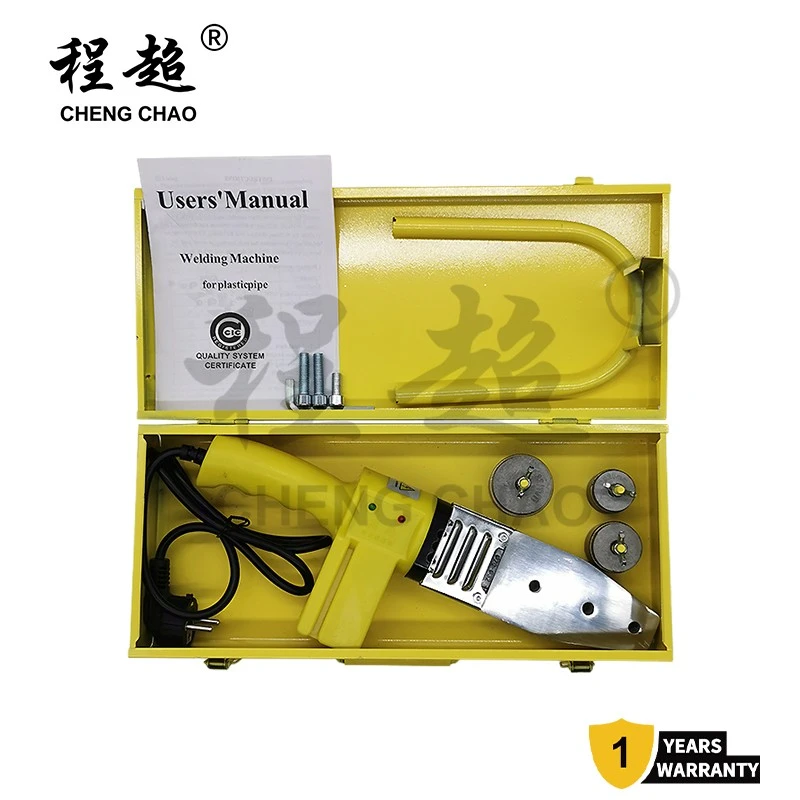
Another factor to consider is the installation method. Proper installation is crucial for ensuring the long-term performance and safety of PPR pipes. When installing 63mm Polifusor PPR pipes, it's recommended to use a suitable fusion machine to join the pipes together. There are different types of fusion machines available, such as the 32mm Automatic Fusion Machine and the Automatic Fusion Machine for PPR. These machines use heat to melt the pipe ends and create a strong, leak-proof joint.
In addition to the fusion machine, you may also need a Socket Fusion Welder for certain applications. A socket fusion welder is a specialized tool that's designed to join PPR pipes using a socket fusion technique. This technique involves heating the pipe and fitting with a heating element and then inserting the pipe into the fitting to create a permanent bond.
When it comes to choosing the right pressure rating for your 63mm Polifusor PPR pipes, it's always a good idea to consult with a professional engineer or a plumbing expert. They can help you determine the appropriate pressure rating based on your specific application requirements, such as the flow rate, the operating temperature, and the expected pressure in the system.
In conclusion, the pressure rating of 63mm Polifusor PPR pipes is an important factor to consider when selecting pipes for your plumbing system. By understanding the pressure rating and choosing the right pipe for your application, you can ensure the long-term performance and safety of your plumbing system. If you have any questions or need more information about 63mm Polifusor PPR pipes or our other products, please don't hesitate to contact us. We're here to help you find the right solutions for your plumbing needs.

References:
- PPR Pipe Manufacturer's Technical Documentation
- Plumbing Codes and Standards