


As a supplier of 63mm Polifusor PPR, I often receive inquiries about the sound - insulation performance of this product. In this blog, I will delve into the sound - insulation capabilities of 63mm Polifusor PPR, exploring its scientific basis, real - world applications, and how it compares to other materials.

The Science Behind Sound Insulation
Sound is a form of energy that travels through a medium, such as air or solids, in the form of waves. When these waves encounter a material, several things can happen: they can be reflected, absorbed, or transmitted through the material. The sound - insulation performance of a material is determined by its ability to reduce the transmission of sound waves.
The 63mm Polifusor PPR is designed with a unique molecular structure and composition that contributes to its sound - insulation properties. PPR (Polypropylene Random Copolymer) is a thermoplastic polymer known for its excellent mechanical and chemical properties. The 63mm thickness of the Polifusor PPR pipe adds an extra layer of mass, which is crucial for sound insulation. According to the mass - law principle, the more mass a material has, the better it can block sound waves. As sound waves try to pass through the thick 63mm Polifusor PPR, they encounter resistance due to the material's density and mass, resulting in a significant reduction in sound transmission.
Real - World Applications
In residential buildings, the 63mm Polifusor PPR pipes are widely used in plumbing systems. The sound of water flowing through pipes can be a nuisance, especially in multi - story buildings. With the excellent sound - insulation performance of 63mm Polifusor PPR, the noise generated by water flow is greatly reduced. This means that residents can enjoy a quieter living environment, free from the constant gurgling and rushing sounds of water in the pipes.
In commercial buildings, such as offices and hospitals, the need for a quiet environment is even more critical. The 63mm Polifusor PPR pipes can be used in heating, ventilation, and air - conditioning (HVAC) systems. By reducing the sound transmission from the HVAC system, the pipes help create a more comfortable and productive working environment. For example, in a hospital, the reduced noise from the plumbing and HVAC systems can contribute to a more peaceful recovery environment for patients.
Comparison with Other Materials
When compared to traditional metal pipes, such as copper or steel, the 63mm Polifusor PPR has a clear advantage in terms of sound insulation. Metal pipes are good conductors of sound, and the vibrations caused by water flow can easily be transmitted through the pipes and into the surrounding environment. In contrast, the 63mm Polifusor PPR is a poor conductor of sound, effectively dampening the vibrations and reducing the noise.
Compared to other plastic pipes, the 63mm Polifusor PPR also stands out. Some thinner plastic pipes may not have sufficient mass to provide effective sound insulation. The 63mm thickness of the Polifusor PPR ensures that it can offer better sound - blocking capabilities, making it a preferred choice for applications where noise reduction is a priority.
Installation and Sound Insulation
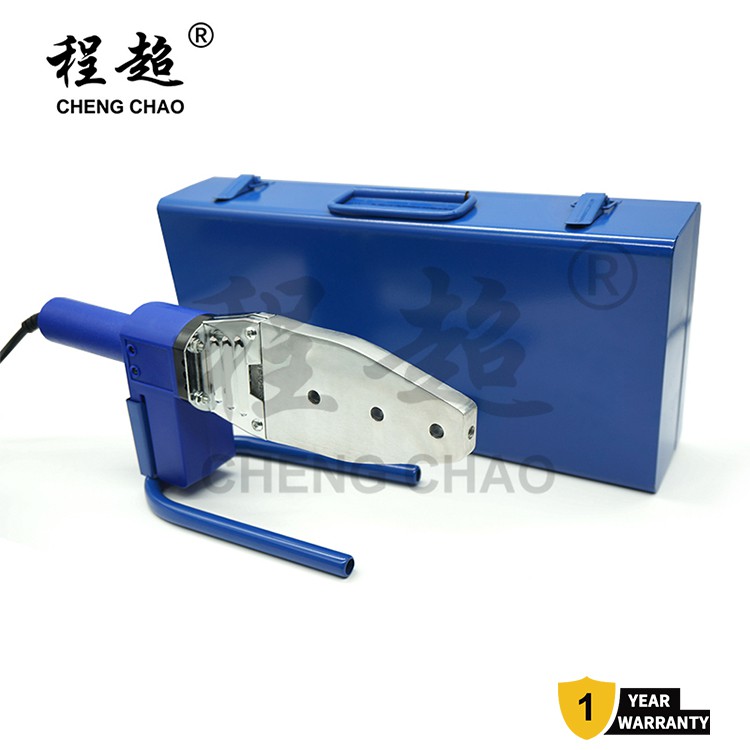
Proper installation of the 63mm Polifusor PPR pipes is crucial for maximizing their sound - insulation performance. Using the right 1500 Watt Plastic Welding Kit or Heat Fusion Machine is essential to ensure a tight and secure joint. A well - installed pipe system with no leaks or loose connections can prevent sound from escaping through gaps. Additionally, proper support and anchoring of the pipes can also reduce vibrations, further enhancing the sound - insulation effect.
Maintenance and Long - Term Sound Insulation
The 63mm Polifusor PPR pipes are known for their durability and low maintenance requirements. Unlike metal pipes, they are resistant to corrosion, which means that the sound - insulation performance will not degrade over time due to rust or other forms of deterioration. Regular inspections to ensure the integrity of the pipes and joints can help maintain the sound - insulation capabilities of the system.
Cost - Effectiveness
In addition to its excellent sound - insulation performance, the 63mm Polifusor PPR is also cost - effective. It is generally more affordable than some high - end metal pipes, while still offering comparable or even better sound - insulation properties. The long - term savings in terms of reduced noise - related issues, such as complaints from residents or the need for additional sound - proofing measures, make it a wise investment.
Conclusion
The 63mm Polifusor PPR offers outstanding sound - insulation performance, making it an ideal choice for a wide range of applications in both residential and commercial buildings. Its unique molecular structure, combined with its 63mm thickness, provides effective sound blocking. Whether you are a builder, an architect, or a homeowner, the 63mm Polifusor PPR can help you create a quieter and more comfortable environment.
If you are interested in purchasing 63mm Polifusor PPR or need more information about its sound - insulation performance, please feel free to contact us for a detailed discussion. We are committed to providing high - quality products and professional services to meet your needs.
References
- "Handbook of Sound Insulation Materials", John Wiley & Sons
- "Plastic Pipes in Building Applications", Elsevier