


As a supplier of pressure test pumps, I understand the critical importance of safety features in these devices. Pressure test pumps are used in a variety of industries, including plumbing, construction, and manufacturing, to test the integrity of pipes, valves, and other pressure vessels. Ensuring the safety of both the operators and the equipment is paramount. In this blog, I will discuss the essential safety features that a pressure test pump should have.
Over - Pressure Protection
One of the most crucial safety features in a pressure test pump is over - pressure protection. This mechanism prevents the pump from generating pressure beyond a pre - set limit. When the pressure inside the system reaches the maximum allowable level, the over - pressure protection device activates, either by shutting off the pump or releasing the excess pressure.
For example, in our 50 Bar Pressure Pump, we have installed a reliable over - pressure relief valve. This valve is designed to open when the pressure exceeds the rated 50 bar, diverting the excess pressure safely away from the system. This not only protects the pump itself but also the pipes and other components being tested. Without proper over - pressure protection, there is a risk of pipe bursts, which can cause serious injuries to operators and damage to the surrounding environment.
Pressure Gauge
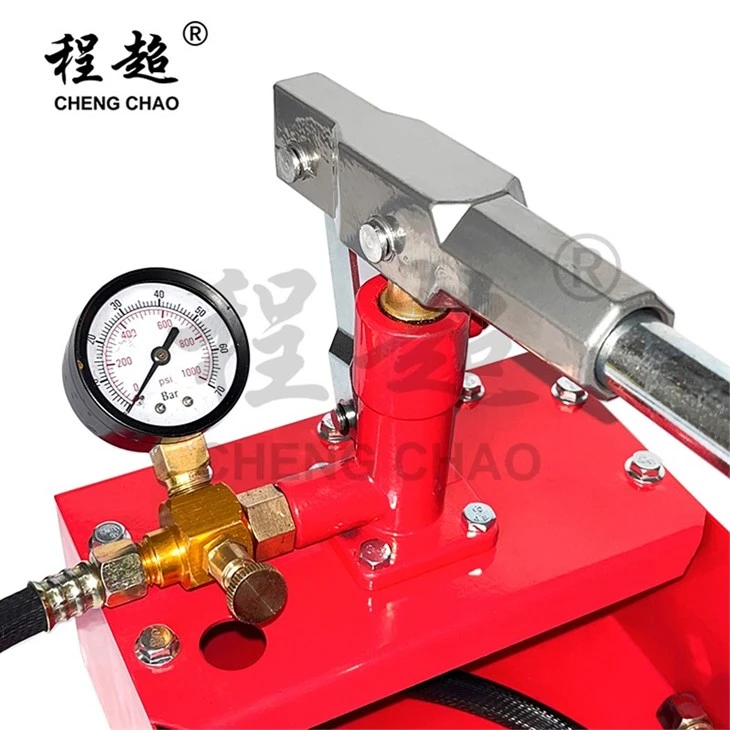
A high - quality pressure gauge is an essential safety feature. It provides real - time information about the pressure inside the system. Operators can monitor the pressure levels and ensure that they are within the safe operating range.
Our 50 Bar Pressure Test Pump is equipped with a large, easy - to - read pressure gauge. The gauge is calibrated accurately to provide precise pressure readings. This allows operators to make informed decisions during the testing process. If the pressure starts to deviate from the expected range, the operator can take immediate action, such as adjusting the pump settings or checking for leaks.

Leak Detection
Leak detection is another important safety feature. A pressure test pump should be able to detect leaks in the system being tested. Leaks can lead to a loss of pressure, which may indicate a problem with the pipes or valves.
We have incorporated advanced leak detection technology in our pumps. For instance, in our 70Psi Water Pressure Test Pump, we use a combination of pressure sensors and software algorithms to detect even the smallest leaks. If a leak is detected, the pump can alert the operator through visual or auditory signals. This early detection helps prevent potential failures and ensures the safety of the entire system.
Emergency Stop Button
An emergency stop button is a must - have safety feature. In case of an emergency, such as a sudden increase in pressure or a malfunction of the pump, the operator can quickly press the emergency stop button to shut down the pump.
Our pressure test pumps are designed with a prominent and easily accessible emergency stop button. This allows operators to react immediately in critical situations, minimizing the risk of accidents and damage to the equipment.
Safety Valves
Safety valves play a vital role in the safety of pressure test pumps. These valves are designed to release pressure in case of a sudden increase or malfunction. There are different types of safety valves, such as spring - loaded valves and pilot - operated valves.
In our pumps, we use high - quality safety valves that are carefully selected and tested to ensure reliable performance. These valves are designed to open at a specific pressure and release the excess pressure in a controlled manner. This helps prevent over - pressurization and protects the pump and the system being tested.
Durable Construction
The construction of the pressure test pump also contributes to its safety. A pump with a durable and robust construction is less likely to fail during operation.
Our pumps are made from high - quality materials, such as stainless steel and heavy - duty plastics. The components are designed to withstand high pressures and harsh operating conditions. This not only ensures the long - term reliability of the pump but also enhances its safety. For example, a well - constructed pump is less likely to develop leaks or structural failures, reducing the risk of accidents.
User - Friendly Design
A user - friendly design is important for the safety of the operators. A pump that is easy to operate and maintain reduces the risk of human error.
Our pressure test pumps are designed with the user in mind. They have intuitive controls and clear instructions. The pumps are also easy to assemble and disassemble for maintenance. This allows operators to use the pumps safely and efficiently, even if they have limited experience.
Training and Support
As a supplier, we understand the importance of providing training and support to our customers. We offer comprehensive training programs to ensure that operators know how to use the pressure test pumps safely.
Our technical support team is always available to answer any questions and provide assistance. We also provide detailed user manuals and safety guidelines with each pump. This helps operators understand the safety features of the pump and how to use them effectively.
Conclusion
In conclusion, a pressure test pump should have a range of safety features to ensure the safety of operators and the integrity of the equipment. Over - pressure protection, pressure gauges, leak detection, emergency stop buttons, safety valves, durable construction, user - friendly design, and training and support are all essential elements.
If you are in the market for a pressure test pump, I encourage you to consider our products. Our pumps are designed with the highest safety standards in mind and are backed by our commitment to quality and customer support. If you have any questions or would like to discuss your specific requirements, please feel free to contact us for a procurement negotiation.
References
- ASME Boiler and Pressure Vessel Code
- ISO standards for pressure testing equipment
- Manufacturer's guidelines for pressure test pumps