


Maintaining the accuracy of a PPR fusion socket over time is crucial for ensuring high - quality pipe connections in plumbing and heating systems. As a PPR Fusion Socket supplier, I understand the significance of this issue and have gathered comprehensive insights on how to achieve long - term accuracy.
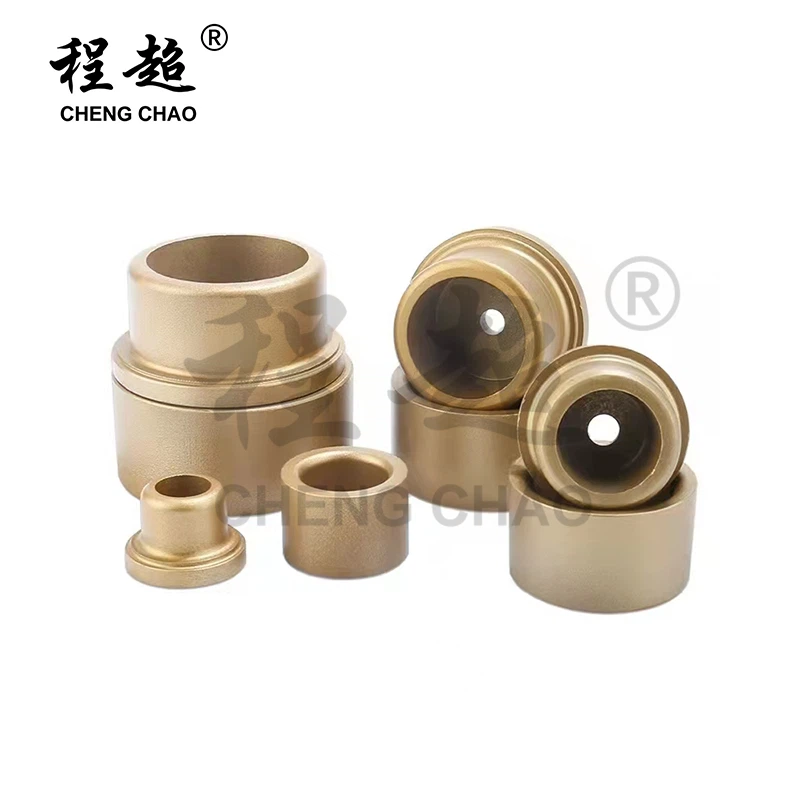

Understanding the Basics of PPR Fusion Sockets
PPR (Polypropylene Random Copolymer) fusion sockets are essential tools used in joining PPR pipes. These sockets work by heating the pipe and the fitting to a specific temperature until they reach a molten state, allowing them to be joined together seamlessly. The accuracy of a PPR fusion socket is determined by its ability to heat the pipe and fitting evenly and to the correct temperature, as well as its dimensional precision to ensure a proper fit.
The heating element in a PPR fusion socket is a key component. It must be able to maintain a consistent temperature throughout the heating process. Any deviation in temperature can lead to an improper fusion, resulting in weak joints that may leak over time. Additionally, the socket's internal diameter should match the outer diameter of the PPR pipe precisely. A socket that is too large or too small can cause problems during the fusion process, such as poor adhesion or deformation of the pipe.
Regular Cleaning and Inspection
One of the most fundamental steps in maintaining the accuracy of a PPR fusion socket is regular cleaning. Over time, debris, melted plastic, and other contaminants can accumulate inside the socket. This buildup can interfere with the heat transfer process and affect the dimensional accuracy of the socket.
To clean the socket, first, ensure that it is completely cooled down. Use a soft, dry cloth to remove any loose debris from the surface of the socket. For more stubborn residues, a mild solvent can be used. However, it is important to choose a solvent that is compatible with the PPR material and will not damage the socket. After cleaning, dry the socket thoroughly to prevent any moisture from affecting the heating element or causing corrosion.
In addition to cleaning, regular inspection is also necessary. Check the socket for any signs of wear and tear, such as cracks, scratches, or deformation. These issues can affect the accuracy of the socket and may lead to improper fusion. If any damage is detected, the socket should be repaired or replaced immediately. You can find a suitable replacement at our PPR Fusion Socket page.
Proper Storage
Proper storage of PPR fusion sockets is also crucial for maintaining their accuracy. When not in use, the sockets should be stored in a clean, dry, and cool environment. Exposure to extreme temperatures, humidity, or direct sunlight can cause the socket to expand, contract, or degrade over time, affecting its dimensional accuracy and performance.
It is recommended to store the sockets in a protective case or a dedicated storage rack. This will prevent them from being damaged by other tools or objects in the storage area. Additionally, the sockets should be stored in an upright position to avoid any deformation of the internal structure.
Calibration and Temperature Control
Calibration is an important aspect of maintaining the accuracy of a PPR fusion socket. Over time, the heating element in the socket may lose its accuracy, resulting in inconsistent temperature output. Regular calibration ensures that the socket is heating the pipe and fitting to the correct temperature.
Most modern PPR fusion sockets are equipped with temperature control systems. These systems allow the user to set and maintain a specific temperature during the fusion process. However, it is important to check the accuracy of these systems regularly. Use a reliable temperature measuring device, such as a thermocouple, to verify the temperature inside the socket. If the measured temperature deviates from the set temperature, the socket may need to be recalibrated.
Some PPR fusion sockets also come with automatic calibration features. These features can simplify the calibration process and ensure that the socket maintains its accuracy over time. However, it is still recommended to perform manual checks periodically to ensure the reliability of the calibration.
Training and Operator Skill
The skill and knowledge of the operator also play a significant role in maintaining the accuracy of a PPR fusion socket. Proper training on how to use the socket is essential to ensure that the fusion process is carried out correctly. Operators should be familiar with the socket's operating instructions, including temperature settings, heating times, and fusion techniques.
Incorrect operation can lead to inaccurate fusion, even if the socket is in perfect condition. For example, if the operator heats the pipe and fitting for too long or at the wrong temperature, it can cause the material to over - heat or under - heat, resulting in a weak joint. Therefore, it is important to provide comprehensive training to all operators and encourage them to follow the best practices.
Using Compatible Materials
Using compatible PPR pipes and fittings is another important factor in maintaining the accuracy of a PPR fusion socket. Different brands and types of PPR materials may have slightly different melting points and properties. Using incompatible materials can lead to problems during the fusion process, such as poor adhesion or uneven melting.
As a PPR Fusion Socket supplier, we recommend using PPR pipes and fittings that are specifically designed for use with our sockets. This will ensure that the fusion process is carried out smoothly and that the joints are strong and reliable. You can also find Plastic Pipe Welding Sockets and PPR Repair Kit on our website, which are all designed to work together seamlessly.
Replacement of Worn - Out Parts
Over time, some parts of the PPR fusion socket may wear out and need to be replaced. The heating element, for example, is a critical component that may degrade over time due to repeated use. If the heating element fails to maintain a consistent temperature, it can affect the accuracy of the fusion process.
Regularly check the heating element for any signs of damage or wear. If necessary, replace the heating element with a genuine replacement part. Using non - genuine parts may not only affect the performance of the socket but also void the warranty.
Other parts, such as the handle, the power cord, or the temperature control knob, may also need to be replaced if they are damaged or worn out. By replacing worn - out parts in a timely manner, you can ensure that the PPR fusion socket continues to operate accurately and efficiently.
Conclusion
Maintaining the accuracy of a PPR fusion socket over time requires a combination of regular cleaning, proper storage, calibration, operator training, and the use of compatible materials. By following these guidelines, you can ensure that your PPR fusion socket remains in good condition and provides reliable and accurate performance.
As a PPR Fusion Socket supplier, we are committed to providing high - quality products and comprehensive support to our customers. If you have any questions or need further assistance in maintaining the accuracy of your PPR fusion socket, or if you are interested in purchasing our products, please feel free to contact us for procurement and negotiation.
References
- "PPR Pipe Installation Guide", Plumbing Industry Association.
- "Maintenance and Troubleshooting of Plastic Pipe Welding Equipment", Technical Manual, Equipment Manufacturer.
- "Best Practices for PPR Fusion", Journal of Plumbing Technology.