


When it comes to plumbing and pressure testing, a plumbers test pump is an indispensable tool. As a leading supplier of plumbers test pumps, I often receive inquiries about various aspects of these pumps, including their weight. Understanding the weight of a typical plumbers test pump is crucial for plumbers and contractors, as it impacts portability, ease of use, and overall efficiency on the job site.
Factors Influencing the Weight of Plumbers Test Pumps
The weight of a plumbers test pump can vary significantly depending on several factors. One of the primary determinants is the type of pump. There are different types of plumbers test pumps available in the market, such as manual pumps, electric pumps, and hydraulic pumps. Each type has its own unique design and construction, which directly affects its weight.
Manual pumps are generally the lightest among the three types. They are typically operated by hand, using a lever or a handle to generate pressure. These pumps are often used for small - scale plumbing jobs or in situations where electricity is not readily available. Since they have fewer components and do not require a motor, they are more compact and lightweight. For example, a basic manual plumbers test pump might weigh anywhere from 5 to 15 pounds. This makes them easy to carry around from one job site to another, especially for plumbers who need to move quickly between different locations.
Electric pumps, on the other hand, are powered by electricity. They are capable of generating higher pressures and are often used for larger plumbing projects. The addition of an electric motor and associated wiring and controls adds to their weight. An average electric plumbers test pump can weigh between 20 to 50 pounds. The weight can also be influenced by the power rating of the motor; higher - powered motors tend to be heavier. However, despite their relatively heavier weight, electric pumps offer the advantage of consistent and reliable pressure generation, which can save time and effort during the testing process.
Hydraulic pumps are the most powerful type of plumbers test pumps. They are commonly used for high - pressure testing applications, such as testing large - diameter pipes or systems that require extremely high pressures. Hydraulic pumps use hydraulic fluid to generate pressure, and they often have a more complex design with additional components like cylinders, valves, and reservoirs. As a result, they are the heaviest type of plumbers test pumps, typically weighing between 50 to 100 pounds or more.
Another factor that affects the weight of a plumbers test pump is the maximum pressure it can generate. Pumps designed to reach higher pressures usually need to be more robustly constructed. For instance, a 50 Bar Pressure Pump or a 50 Bar Pressure Test Pump will generally be heavier than a pump with a lower maximum pressure rating. This is because the components need to be able to withstand the higher forces exerted at these pressures, which often means using thicker materials and more substantial construction.
The materials used in the construction of the pump also play a significant role in determining its weight. Pumps made from lightweight materials such as plastic or aluminum will be lighter than those made from steel or cast iron. Plastic pumps are often chosen for their affordability and corrosion resistance, and they can significantly reduce the overall weight of the pump. However, they may not be as durable as metal pumps, especially in high - pressure or harsh working environments.
Importance of Weight in Practical Applications
The weight of a plumbers test pump has several implications in real - world plumbing applications. Portability is one of the most obvious considerations. Plumbers often need to transport their tools to different job sites, sometimes having to carry them up and down stairs or across rough terrain. A lightweight pump can make this task much easier and less physically demanding. For example, a plumber who has to perform multiple tests in a multi - story building will appreciate the ease of carrying a lightweight manual pump rather than a heavy hydraulic one.
Ease of use is also closely related to the weight of the pump. A lighter pump is generally easier to handle and maneuver during the testing process. Plumbers need to be able to position the pump correctly and operate it smoothly to ensure accurate pressure testing. A heavy pump may be more difficult to move around and may require additional support or assistance, which can slow down the testing process.
In addition, the weight of the pump can affect its stability. A heavier pump is usually more stable, especially when generating high pressures. This is important because any movement or instability during the testing process can lead to inaccurate pressure readings or even damage to the pump or the plumbing system being tested. However, there is a balance to be struck between stability and portability.
Our Product Range and Weight Considerations
As a supplier of plumbers test pumps, we understand the importance of weight in meeting the diverse needs of our customers. We offer a wide range of pumps, each carefully selected to provide the best combination of performance, durability, and weight.

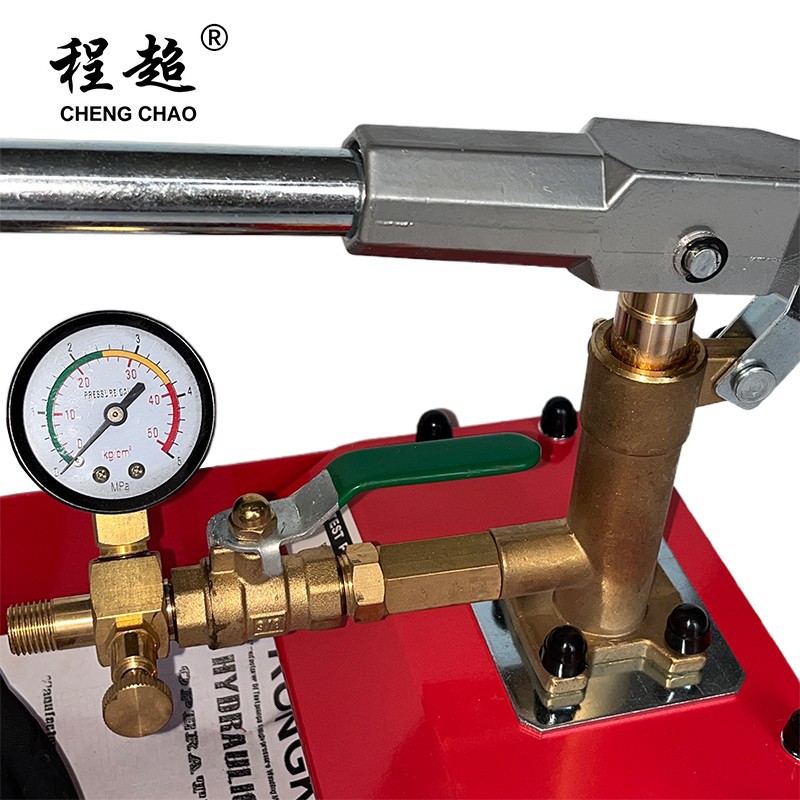
Our 25 Psi Water Test Pump is a popular choice for light - duty plumbing applications. It is relatively lightweight, making it ideal for small - scale jobs where portability is a key requirement. This pump is made from high - quality materials that ensure its reliability while keeping the weight to a minimum.
For more demanding applications, we offer our range of 50 - bar pumps. These pumps are designed to generate high pressures and are suitable for testing larger pipes and more complex plumbing systems. While they are heavier than our lower - pressure pumps, we have engineered them to be as lightweight as possible without compromising on performance. We use advanced materials and innovative design techniques to reduce the weight while maintaining the necessary strength and durability.
Conclusion
In conclusion, the weight of a typical plumbers test pump can vary widely depending on the type of pump, the maximum pressure it can generate, and the materials used in its construction. Manual pumps are generally the lightest, followed by electric pumps, and hydraulic pumps are the heaviest. Understanding the weight of the pump is crucial for plumbers and contractors, as it affects portability, ease of use, and stability in practical applications.
As a trusted supplier of plumbers test pumps, we are committed to providing our customers with high - quality pumps that meet their specific needs. Whether you need a lightweight pump for quick and easy portability or a heavy - duty pump for high - pressure testing, we have the right solution for you. If you are interested in learning more about our product range or have any questions about the weight and performance of our pumps, we encourage you to contact us for a detailed discussion. Our team of experts is ready to assist you in finding the perfect plumbers test pump for your next project.
References
- Plumbing Equipment Handbook: A comprehensive guide to plumbing tools and equipment, including test pumps.
- Industry standards and specifications for plumbers test pumps.