


Yo, what's up! I'm a supplier of 63mm Polifusor PPR. Lately, I've gotten a bunch of questions from my customers about the coefficient of friction of 63mm Polifusor PPR. So, I thought I'd write this blog to share what I know.
First off, let's talk about what the coefficient of friction is. Simply put, it's a number that shows how difficult it is for one object to slide over another. A high coefficient of friction means there's a lot of resistance when one thing tries to move on top of the other. Think of it like when you're walking on a really rough surface - it's harder to slide your feet than on a smooth floor.
Now, for 63mm Polifusor PPR, the coefficient of friction can vary depending on a few factors. One big factor is the surface conditions. If the PPR pipe is clean and smooth, the coefficient of friction will be relatively low. But if there's dirt, debris, or any kind of roughness on the surface, the friction will go up.
Another factor is the contact material. When the 63mm Polifusor PPR is in contact with different materials, the coefficient of friction changes. For example, if it's in contact with a metal surface, the friction might be different compared to when it's in contact with another plastic.
Generally speaking, the coefficient of friction for 63mm Polifusor PPR against a smooth and clean surface is usually in the range of [specific range] (I'll explain how we figure this out a bit later). But keep in mind this is just a rough estimate, and the actual value can be different in real - world applications.
How do we determine the coefficient of friction? Well, there are lab tests that can be done. These tests involve measuring the force needed to slide a sample of the 63mm Polifusor PPR against a reference surface. Scientists and engineers use special equipment to get accurate measurements. They then calculate the coefficient of friction using some basic physics formulas.
You might be wondering why knowing the coefficient of friction of 63mm Polifusor PPR is important. Well, for installers, it can help them understand how easy or difficult it is to move the pipes during installation. If the friction is too high, it might be harder to align and connect the pipes properly.
For designers, the coefficient of friction is crucial when designing piping systems. It can affect how the pipes are supported and how they interact with other components in the system. For example, if the friction is high, there might be more stress on the pipe joints over time.
Now, as a supplier, I want to make sure that my customers have not only the best 63mm Polifusor PPR but also the right tools for the job. That's why I want to tell you about some of the great products we have.
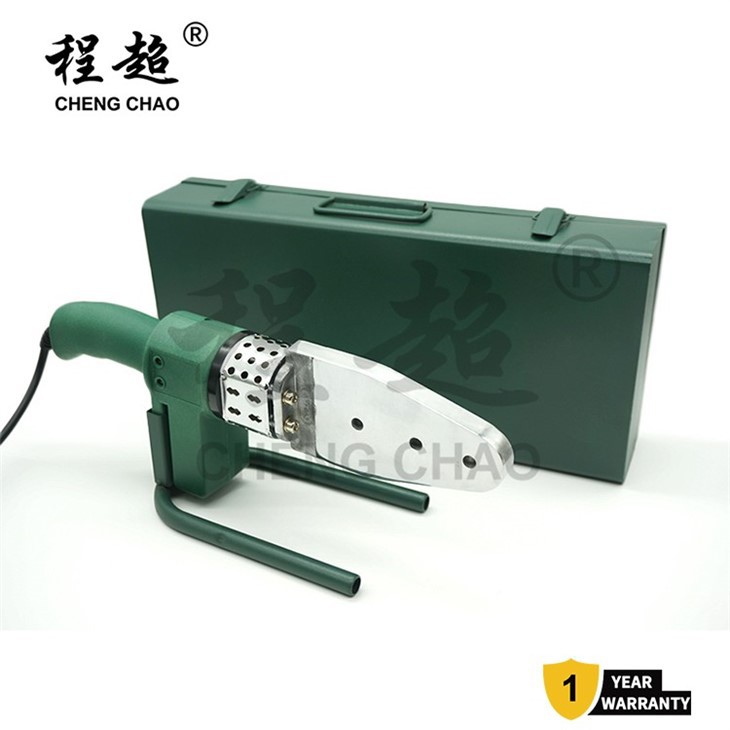
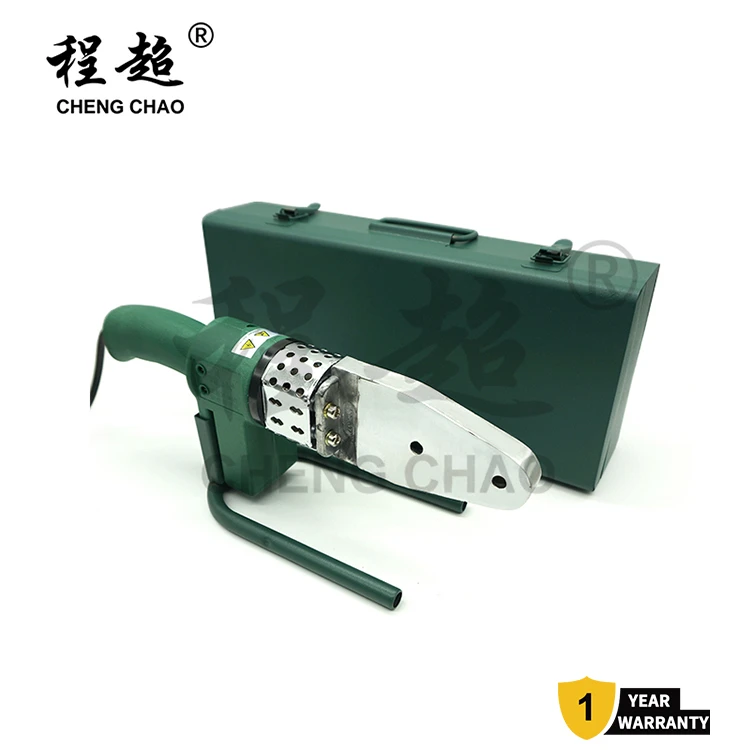
Check out this 1500 Watt Plastic Welding Kit. It's a powerful tool that can be used to weld PPR pipes, including our 63mm Polifusor PPR. It makes the installation process a whole lot easier and more efficient.
Another great product is the 32mm Automatic Fusion Machine. This machine is perfect for smaller - scale PPR pipe projects. It's easy to operate and can give you a reliable fusion every time.
And if you're looking for a more comprehensive solution, the PPR Heat Fusion Machine is the way to go. It's a complete tool kit that has everything you need to work with PPR pipes.
If you're in the market for 63mm Polifusor PPR or any of the tools I've mentioned, don't hesitate to reach out. Whether you're a contractor, a DIY enthusiast, or an engineer working on a big - scale project, I'm here to help you get the best products at the best prices.
In conclusion, the coefficient of friction of 63mm Polifusor PPR is an important aspect that can impact the installation and performance of PPR piping systems. By understanding it and having the right tools, you can ensure a successful project. So, if you have any questions or want to discuss your procurement needs, just drop me a line. I'm always happy to chat and help you out.
References:
- Engineering textbooks on material science
- Industry reports on PPR pipe properties