


Can a Plumbers Test Pump Be Used for Cast - Iron Pipes?
As a supplier of plumbers test pumps, I often get asked whether our pumps can be used for cast - iron pipes. This is a crucial question for many plumbers, building contractors, and property owners, as cast - iron pipes are still prevalent in many older buildings and infrastructure. In this blog, I will delve into the details to provide a comprehensive answer.
Understanding Cast - Iron Pipes
Cast - iron pipes have been used in plumbing systems for centuries. They are known for their durability, strength, and resistance to fire. However, over time, they can be subject to corrosion, especially in areas with high moisture or certain chemical environments. Corrosion can lead to leaks, blockages, and a decrease in the pipe's structural integrity.
When it comes to testing these pipes, it is essential to ensure that the testing process does not cause any further damage. The testing method and equipment used must be carefully selected to avoid over - stressing the pipes.
Functionality of Plumbers Test Pumps
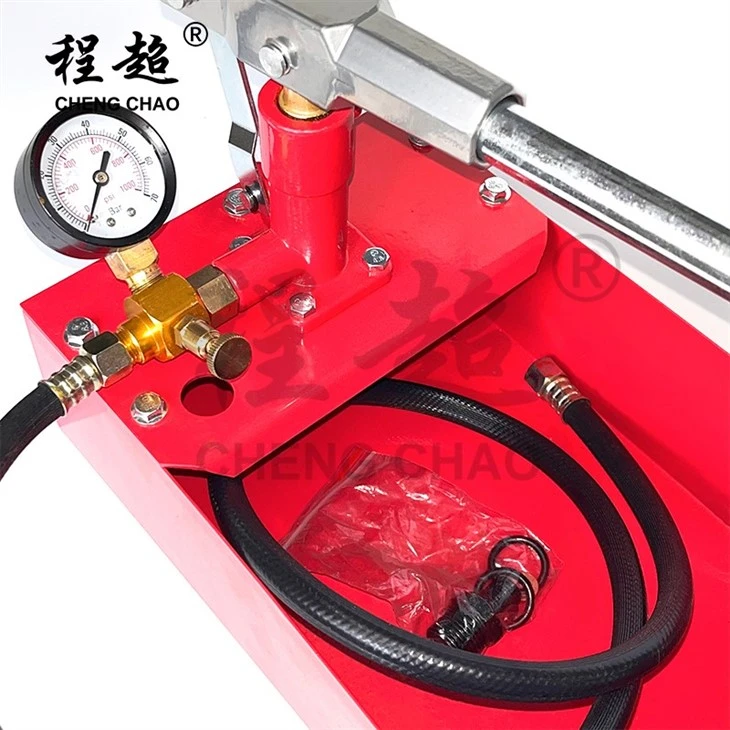
Plumbers test pumps are designed to apply pressure to a plumbing system to check for leaks. They work by filling the system with water and then increasing the pressure to a specified level. The pressure is maintained for a certain period, and any drop in pressure indicates the presence of a leak.
Our range of test pumps, such as the 40 Bar Water Pressure Testing Pump, 70Psi Water Pressure Test Pump, and 50 Bar Pressure Test Pump, are built with precision and reliability in mind. They are suitable for a variety of plumbing materials, but the question remains: are they suitable for cast - iron pipes?
Factors to Consider When Using a Test Pump on Cast - Iron Pipes
1. Pipe Condition
The first and most important factor is the condition of the cast - iron pipes. If the pipes are old and severely corroded, they may not be able to withstand high pressures. In such cases, using a test pump with excessive pressure can cause the pipes to crack or burst. Before testing, a visual inspection of the pipes should be carried out to assess their condition. If there are signs of significant corrosion, it may be necessary to reduce the test pressure or use alternative testing methods.
2. Test Pressure
The test pressure should be carefully selected based on the age and condition of the cast - iron pipes. As a general rule, the test pressure should not exceed the normal operating pressure of the system by more than 50%. For example, if the normal operating pressure of a cast - iron pipe system is 20 psi, the test pressure should not exceed 30 psi. Our test pumps allow for precise pressure adjustment, enabling plumbers to set the appropriate pressure for the specific pipes being tested.
3. Pressure Duration
The duration for which the pressure is maintained during the test is also crucial. A longer pressure duration increases the likelihood of detecting small leaks but also puts more stress on the pipes. For cast - iron pipes, it is recommended to keep the pressure duration within a reasonable limit, usually between 15 to 30 minutes.
4. Pipe Thickness
The thickness of the cast - iron pipes can vary depending on their age and the application. Thicker pipes are generally more resistant to pressure and can withstand higher test pressures. It is important to know the pipe thickness before testing to determine the appropriate test pressure.
Advantages of Using a Plumbers Test Pump for Cast - Iron Pipes
1. Leak Detection
One of the main advantages of using a test pump is its ability to detect leaks accurately. Even small leaks in cast - iron pipes can lead to significant water damage over time. By applying pressure to the system, the test pump can identify the location of leaks, allowing for timely repairs.
2. Cost - Effective
Testing cast - iron pipes with a test pump is a cost - effective way to ensure the integrity of the plumbing system. It can prevent costly repairs in the future by detecting leaks early. Instead of having to replace large sections of pipes due to undetected leaks, a simple repair can be carried out.
3. Versatility
Our test pumps are versatile and can be used for a variety of plumbing applications, including cast - iron pipes. They can be easily adjusted to different pressure levels, making them suitable for different pipe conditions.
Precautions When Using a Test Pump on Cast - Iron Pipes
1. Gradual Pressure Increase
When using a test pump on cast - iron pipes, the pressure should be increased gradually. Sudden pressure changes can cause stress on the pipes and increase the risk of damage. Start with a low pressure and gradually increase it to the desired test pressure.

2. Monitoring
During the test, the pipes should be closely monitored for any signs of damage or leaks. This includes checking for visible cracks, water seepage, or a drop in pressure. If any issues are detected, the test should be stopped immediately.
3. Safety Equipment
Appropriate safety equipment, such as safety glasses and gloves, should be worn when using a test pump. In case of a pipe burst, the water under pressure can cause injury.
Conclusion
In conclusion, a plumbers test pump can be used for cast - iron pipes, but it is essential to take into account the condition of the pipes, the test pressure, the pressure duration, and the pipe thickness. By following the proper procedures and precautions, a test pump can effectively detect leaks in cast - iron pipes without causing damage.
Our range of test pumps, including the 40 Bar Water Pressure Testing Pump, 70Psi Water Pressure Test Pump, and 50 Bar Pressure Test Pump, are designed to meet the needs of plumbers working with cast - iron pipes. If you are in the market for a reliable and high - quality test pump, we invite you to contact us for a detailed discussion about your specific requirements. We are here to help you make the right choice and ensure the success of your plumbing projects.
References
- "Plumbing and Pipefitting Handbook" by John Tomczyk
- "Cast - Iron Pipe: Properties and Applications" by the American Society of Civil Engineers